


 English
 Español
 русский
 عربى
 中文简体
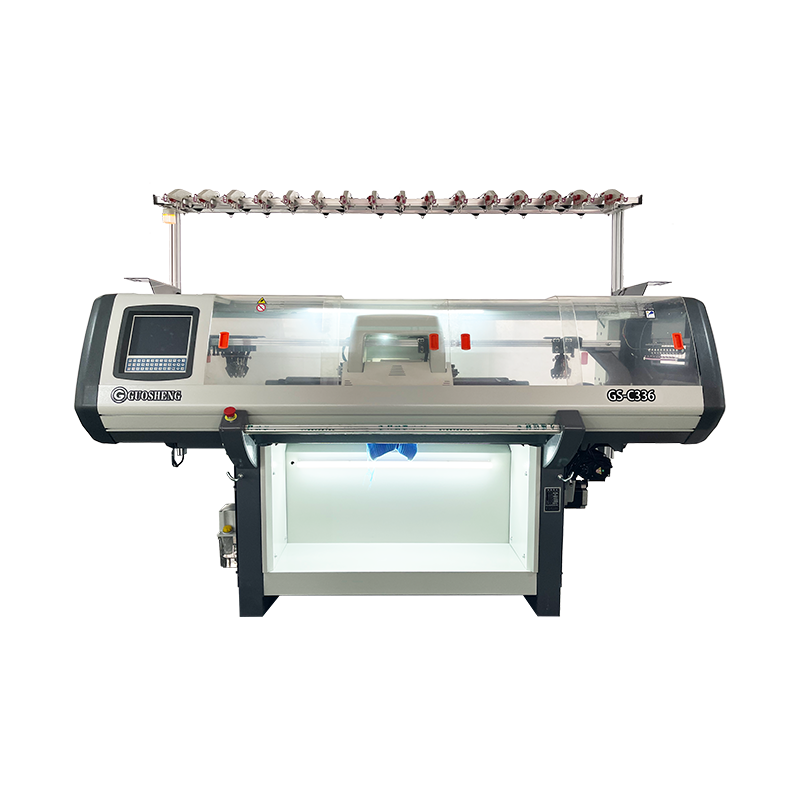
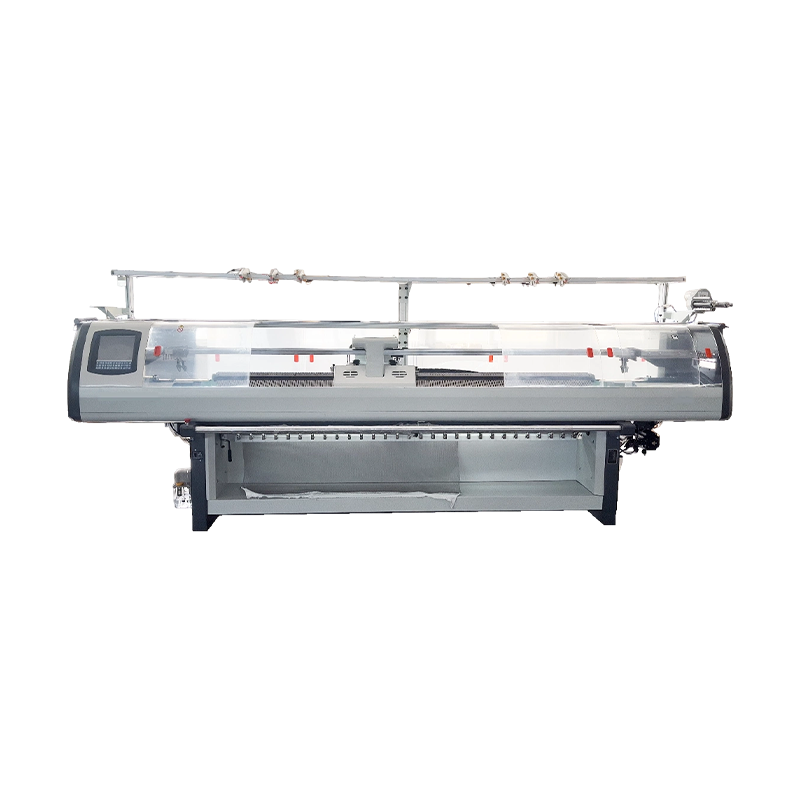

Industry News
3D Knitting Machines Explained: Whole-Garment Technology for Manufacturers
Date:Oct 14, 2026
Content
- 1 What People Mean by "3D Knitting Machine"
- 2 How a Flat Knitting Machine Builds Depth and Shape
- 3 Matching the Machine to the Product
- 4 Whole-Garment Sweaters: Where 3D Knitting Earns Its Keep
- 5 Yarn Choice, Waste and the Greener Case
- 6 A Practical Checklist Before You Specify a Machine
- 7 Where the Technology Is Heading
- 8 Working With the Right Manufacturing Partner
Spend an evening searching for a 3D knitting machine and you will land in two very different worlds. One is a maker's workshop, where somebody has bolted a print head onto a knitting frame or published an open-source script that knits a small shape. The other is a textile factory floor, where flat knitting machines turn fine yarn into complete garments, shoe uppers and collars without a single seam.
The gap between those two worlds is not a marketing trick. It comes down to what the word "dimension" is describing. On an industrial machine, 3D knitting means the shape of the finished textile, not the way the textile is built. Once that clicks, the equipment, the yarns and the purchasing decisions all start to make sense.
What People Mean by "3D Knitting Machine"
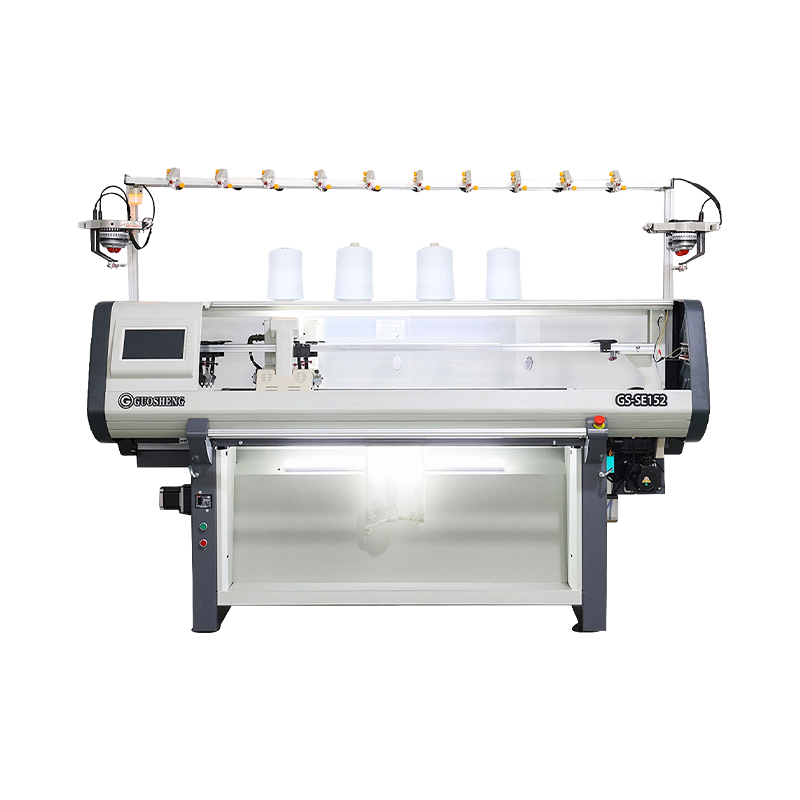
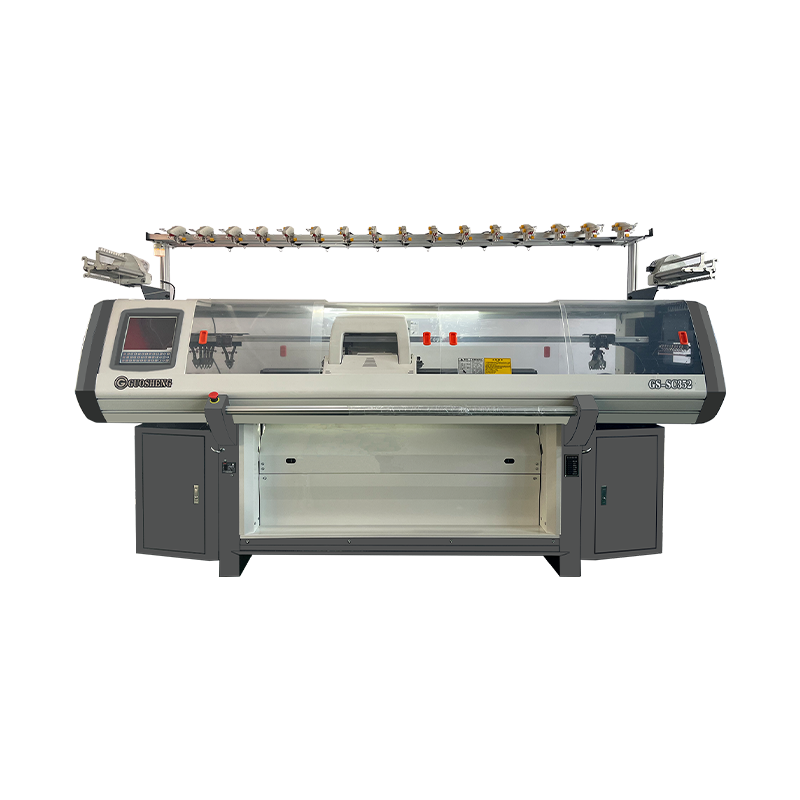
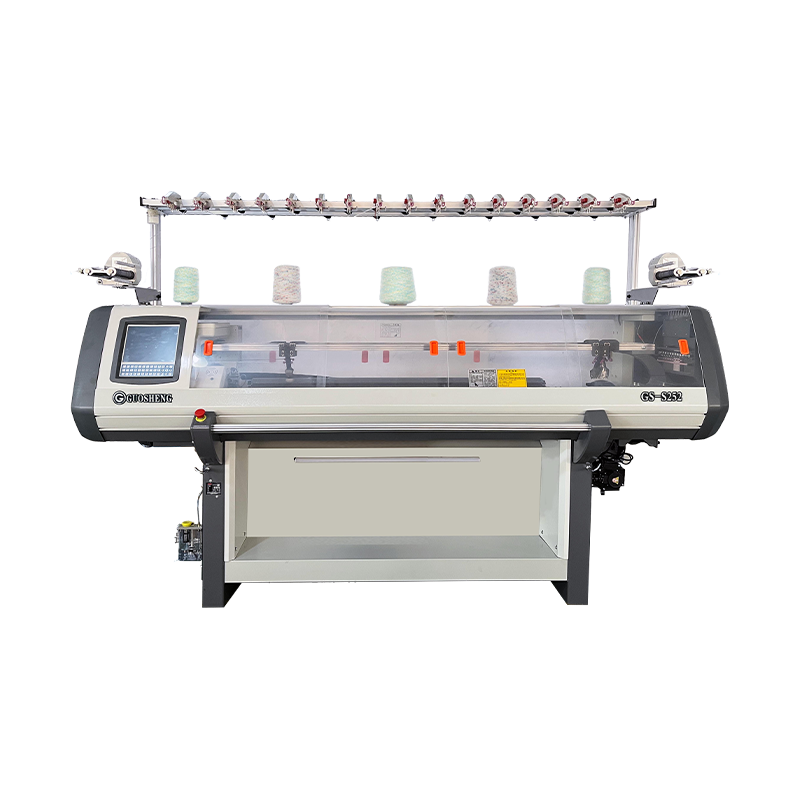
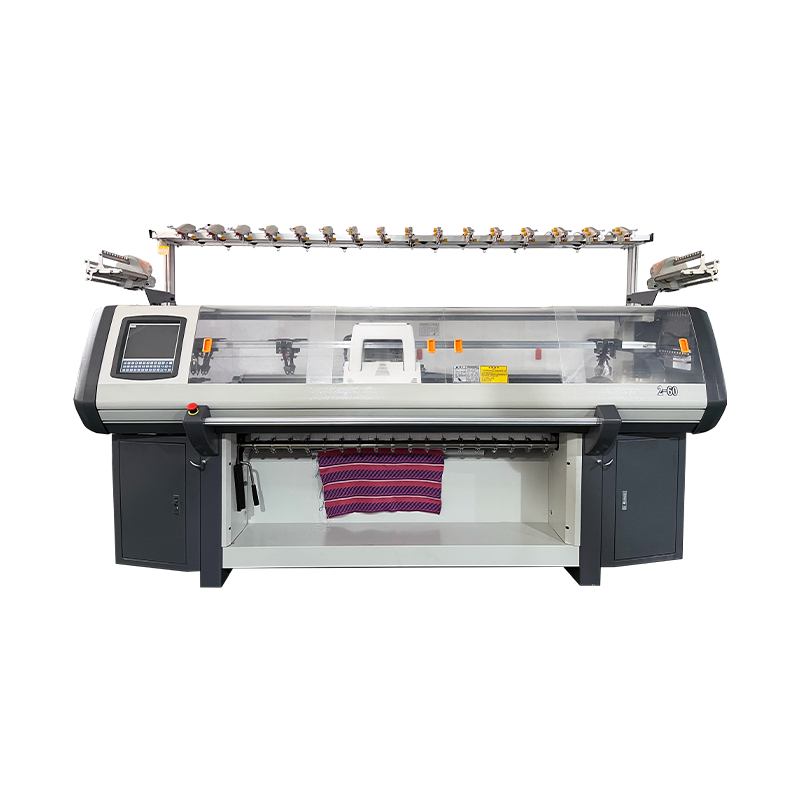
In production textiles, a 3D knitting machine is almost always a computerized flat knitting machine with two opposing needle beds and a carriage system that can knit tubes, shaped panels and fully formed pieces in one pass.
The "3D" part covers a family of techniques rather than one single feature:
- Seamless tubular knitting, where the front and back needle beds each knit half of a tube.
- Fully fashioned shaping, where stitches are added or taken out to create curves, armholes and waistlines.
- Integrated details such as collars, plackets, pockets and hoods that are knitted into the piece instead of sewn on afterwards.
- Whole-garment production, where a body and both sleeves are joined on the machine and come off ready to wear.
Catalogues describe these ideas with different words: whole garment, seamless, ready-to-wear, bottom-up, no-waste. They are not identical, but they all aim at the same goal, which is to knit the final shape rather than cut it out of a flat panel.
How a Flat Knitting Machine Builds Depth and Shape
Mechanically the process is simple to picture. Thousands of individual needles sit in two beds arranged in a shallow V. A carriage travels across the beds, and the control system decides needle by needle whether each one knits, tucks or holds. Yarn carriers feed the yarn, and cams drive the needles through the sequence that forms a loop.
The three-dimensional shape comes from what the software does with those choices. Stitch counts grow and shrink along a row to narrow a shoulder or widen a sleeve. Whole sections of needles are parked while others keep working, which is how a machine knits a body as a tube and then separates it into two sleeves. Pockets and pad channels are knitted as a small extra layer, held, and joined back into the main piece at the right course.
Finer details matter more than most buyers expect. Compound needle and no-waste-yarn constructions start a garment at the rib with the main yarn rather than a sacrificial waste yarn, saving both material and seconds per piece. Takedown and tension control keep the growing fabric even; if they drift, the depth of the knit distorts and the piece will not sit flat after finishing.
Gauge ties the whole thing together. It tells you how many needles sit in an inch of bed, and therefore how fine a yarn the machine can handle. Coarse gauges around 3G suit heavy blankets and technical mesh, while 12G and finer are where sweaters, collars and shoe uppers live.
Matching the Machine to the Product
Most buyers arrive with a product in mind and work backwards to a specification. The table below maps the common categories against typical machine parameters, which is a useful starting point before you look at individual models.
| Knitted product | Typical systems | Working width | What makes it three-dimensional |
|---|---|---|---|
| Seamless sweater | 2 to 4 | 52 to 72 in | Tubular body and sleeves joined on the machine, no side seams |
| Shoe upper | 3 | 36 to 72 in | One-piece upper with engineered stretch zones, no cut and sew |
| Collars and trims | 1 to 4 | 40 to 80 in | Flat or straight collars knitted close to final shape |
| Blankets and home textiles | 2 | 80 to 100 in | Wide double-bed fabric with raised, textured surfaces |
| Hats and gloves | 2 to 3 | 36 in | Fully formed pieces that leave the machine ready to wear |
| Knee pads and protectors | 3 | 36 in | Shaped pockets and channels knitted into a curved pad |
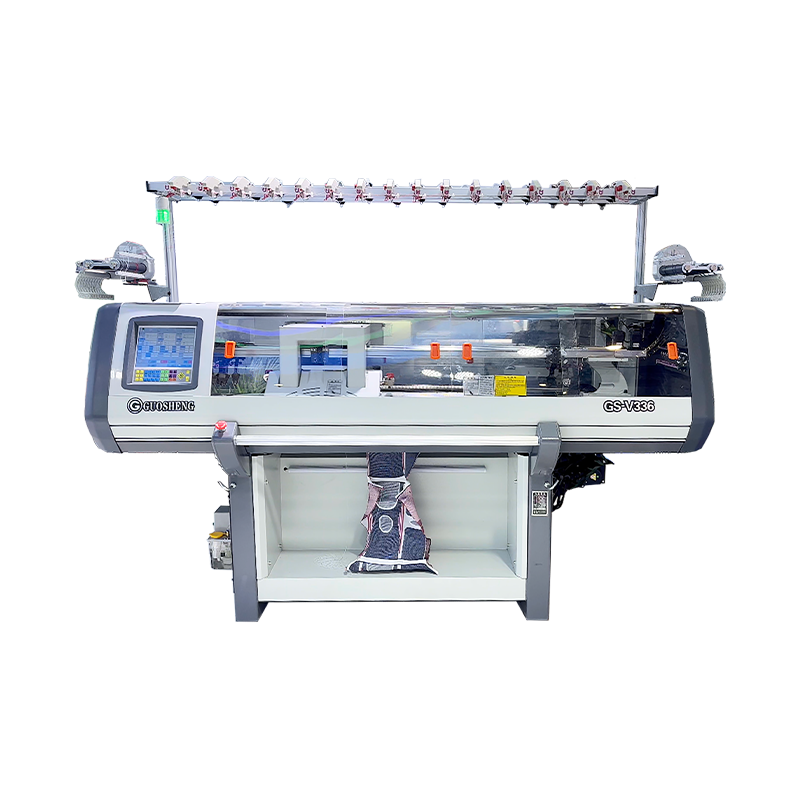
Footwear is the clearest example of why the approach took off. A three-system machine with a 36 inch bed can knit an entire upper as one piece, with denser zones where the foot needs support and open, breathable zones elsewhere. There is no cutting room, no stitching line, and very little waste.
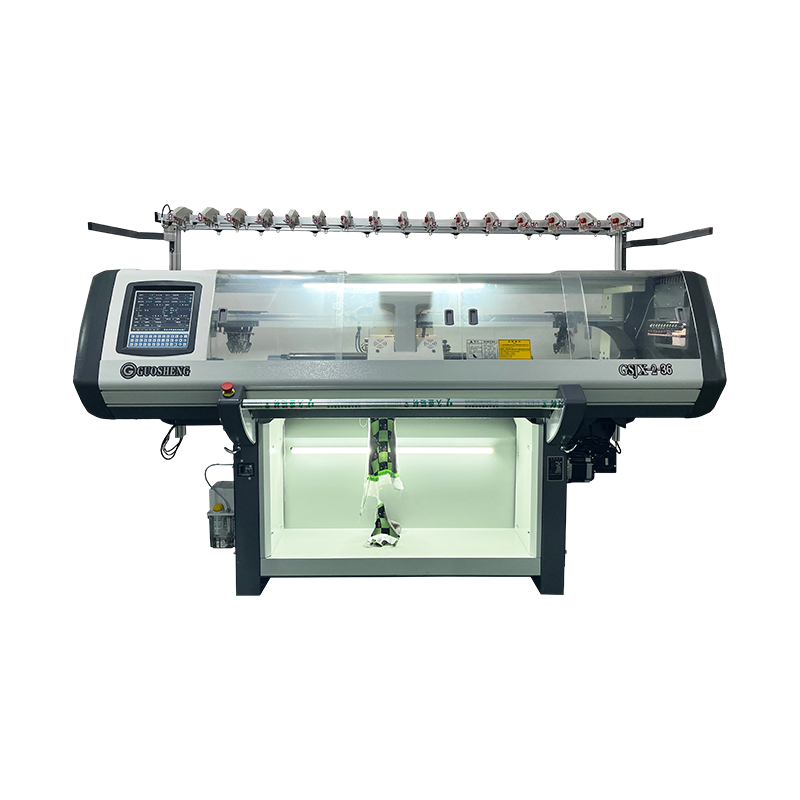
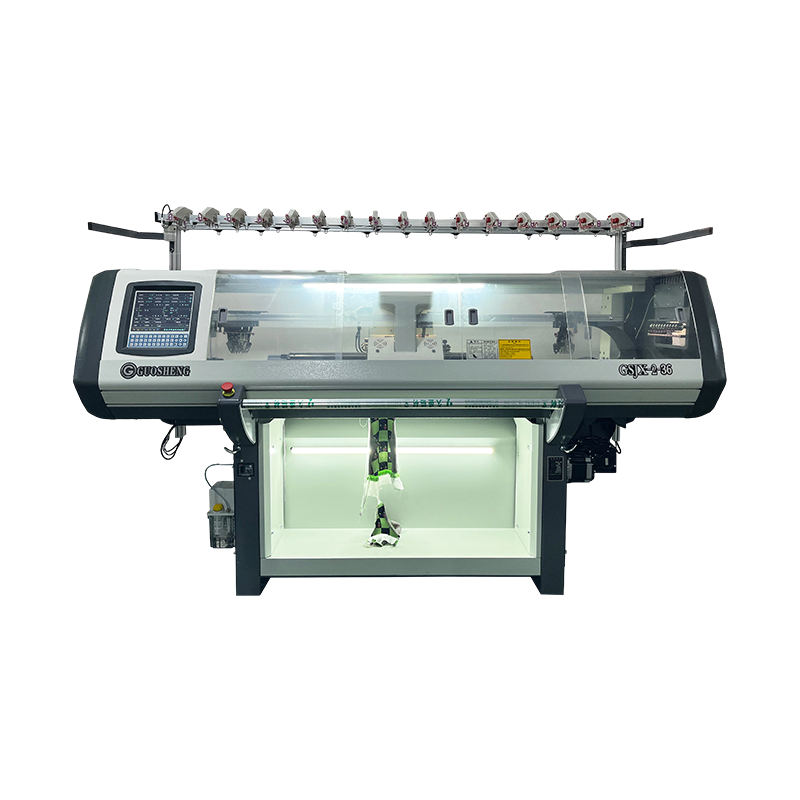
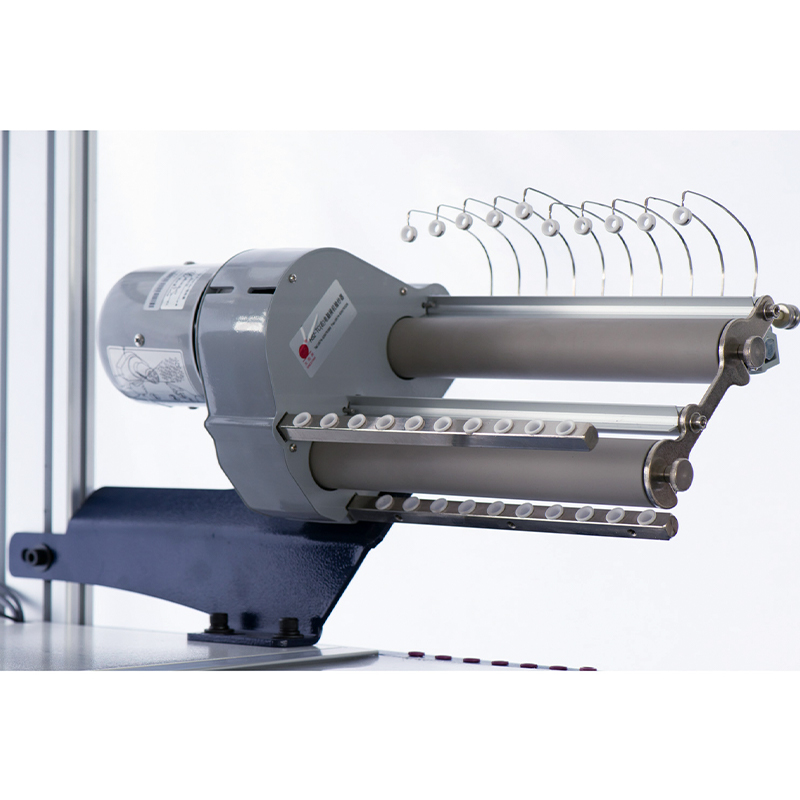 GS-V336 Three System Shoe Upper Knitting MachinePurpose-built for one-piece 3D flyknit uppers, this 36-inch three-system machine supports dense support zones and breathable mesh without cutting or stitching.View Product →
Whole-Garment Sweaters: Where 3D Knitting Earns Its Keep
Sweaters remain the biggest volume application, and the economics are easy to explain to anyone who has run a linking department. If the body, two sleeves and the collar are knitted separately, somebody has to sew or link them together, and every join is a place where quality can slip. Knit the same garment on the machine in one sequence and the labour disappears from the equation.
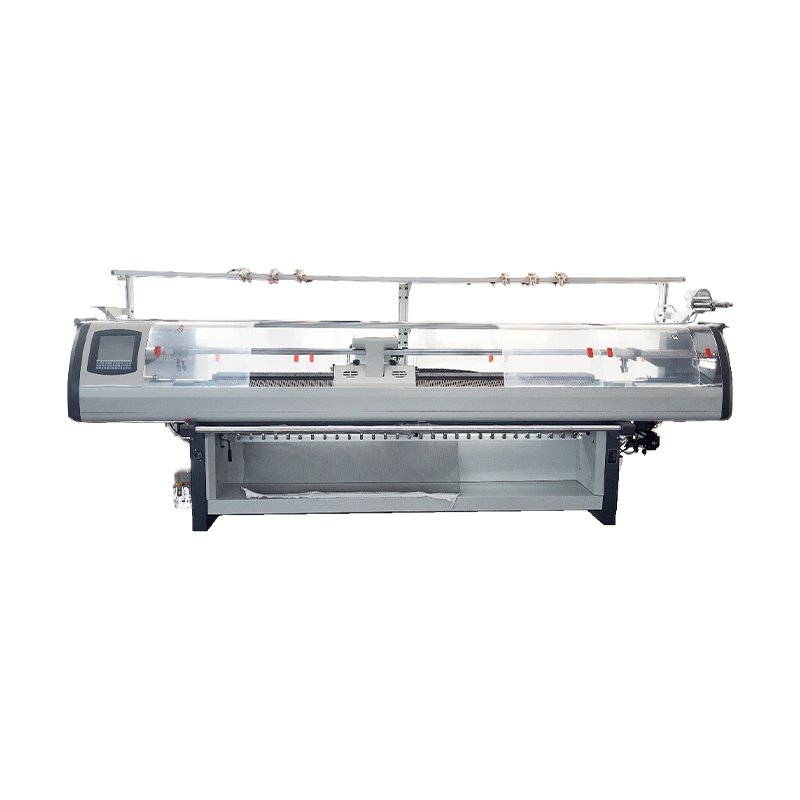
That matters most for small and mid-size orders. Changing a colour or a stitch pattern becomes a file change rather than a production line reset, which makes short runs and quick replenishment genuinely practical. A 72 inch three-system ready-to-wear sweater machine, for example, can produce full garments at a width that suits both men's and women's styles.
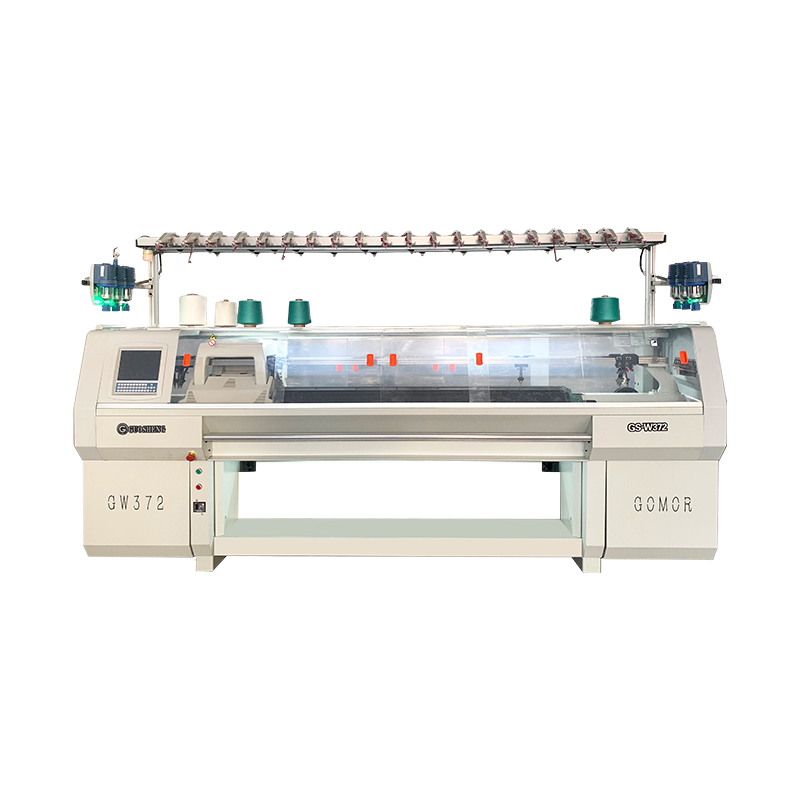
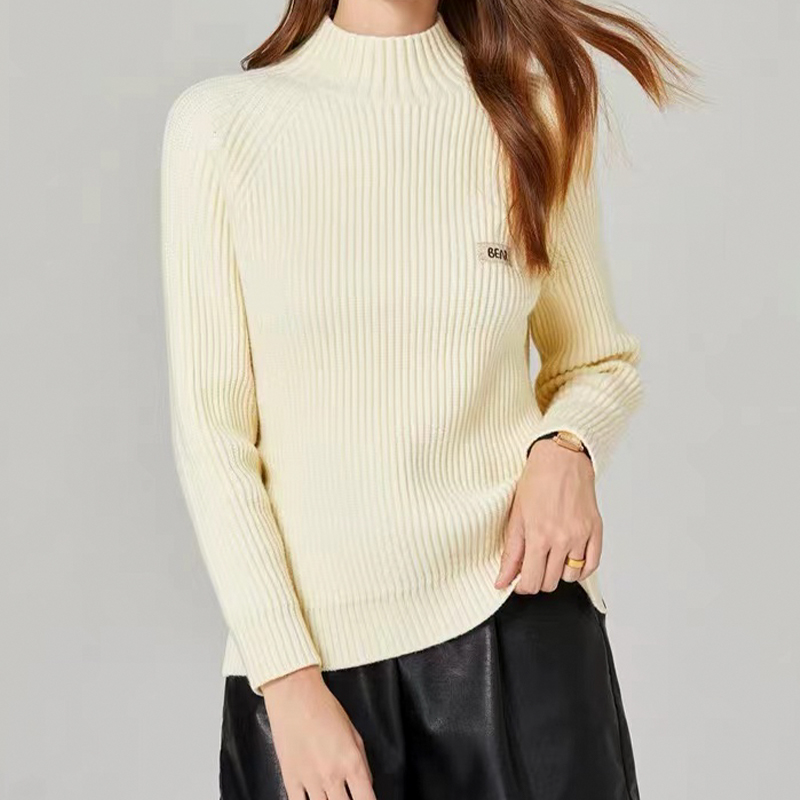 GS-RW372 72-Inch Three System Ready-to-Wear Flat Knitting MachineFor short runs and quick replenishment, this 72-inch flagship knits fully fashioned sweater panels and sleeves in one continuous operation, eliminating cutting, linking and sewing.View Product →
Yarn Choice, Waste and the Greener Case
Because the yarn travels straight into the finished shape, 3D knitting rewards fine, consistent yarns. Merino and cashmere blends knit beautifully at fine gauge, as do cotton, viscose and polyester. Shoe uppers tend to use textured polyester and recycled PET, base layers often plate a little elastane for recovery, and technical mesh work calls for filaments that can withstand tension without breaking.
Waste is the quieter argument. Cut-and-sew production leaves a meaningful share of every knitted panel on the cutting room floor. Shaping on the machine removes most of that, and the no-waste-yarn option removes another slice by starting the piece with the main yarn instead of a throwaway leader. For brands under pressure to show measurable reductions, this is one of the few process changes that helps output and sustainability at the same time.
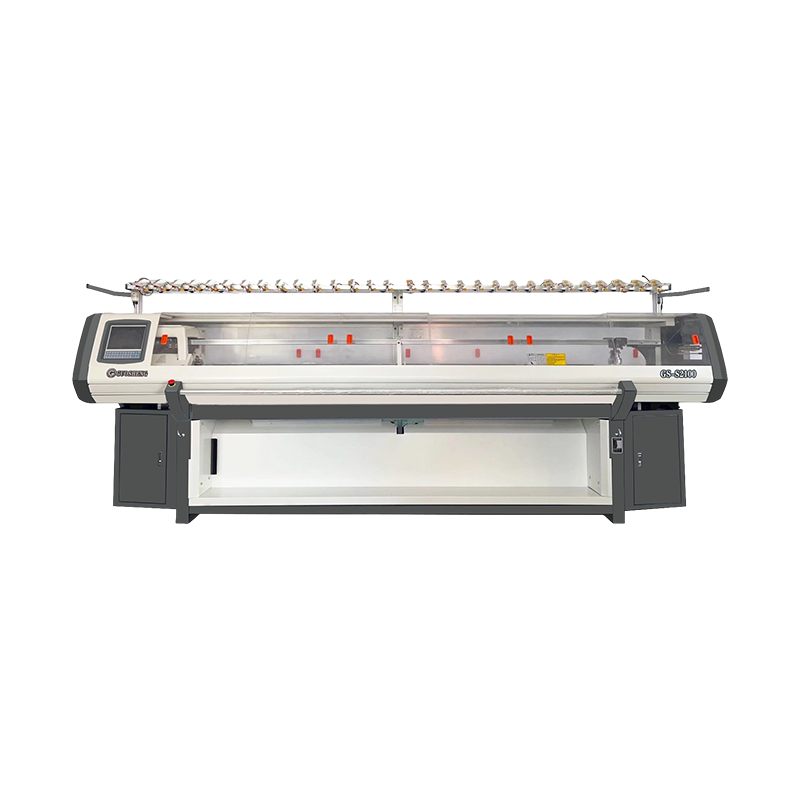
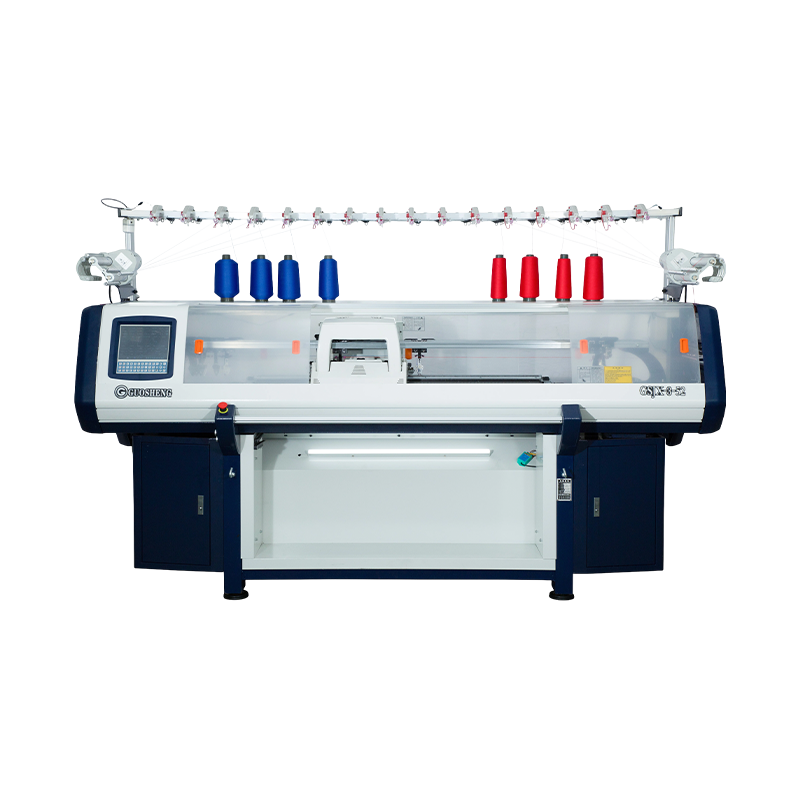
 GS-S352Z 52-Inch No-Waste-Yarn Three System Sweater Knitting MachineWith a no-waste-yarn comb and automatic piece drop, this 52-inch three-system machine targets material savings and labor reduction in shaped sweater production.View Product →
A Practical Checklist Before You Specify a Machine
When you are ready to compare models, work through these questions in order. They usually narrow the field faster than any brochure will.
- Gauge and yarn. Decide the yarn count first, then choose the needle gauge that suits it. Too coarse and the fabric feels heavy; too fine and the yarn breaks.
- Working width. Match the bed to your widest piece. Thirty-six inches covers hats, gloves, knee pads and many shoe uppers; 52 to 72 inches covers sweaters; 80 to 100 inches is for blankets and wide technical fabrics.
- Systems and output. More systems mean more yarn carriers working at once and more pieces per shift. Three and four system machines pay for themselves on high-volume styles.
- Construction options. Ask specifically about compound needle bottom-up, no-waste-yarn start-up and intelligent yarn feeding if reducing waste or starting garments at the rib matters to you.
- Software and sampling. Confirm how patterns are designed, how quickly a sample can be turned around, and how the machine handles repeat orders.
- Installation and support. Delivery is the easy part. Commissioning, operator training, spare parts and remote troubleshooting are what keep a knitting floor running.
It also helps to run the numbers before the negotiation rather than after. A realistic view of payback, including labour savings and yarn waste, usually settles the question of how many systems you actually need. There is a useful breakdown of that calculation in our guide to what makes a computerized sweater knitting machine worth the investment.
Where the Technology Is Heading
Two forces are pushing 3D knitting further into the mainstream. The first is footwear and performance apparel, where seamless construction is now an expectation rather than a novelty. The second is the shift towards smaller, more frequent production runs, which suit a machine that can change a style by loading a new file.
Alongside those, technical textiles are quietly expanding. Wide-bed machines knit metal mesh and industrial fabrics that have nothing to do with clothing but use exactly the same loop-forming principles. Buyers who start with sweaters often find a second or third application for the same equipment.
Working With the Right Manufacturing Partner
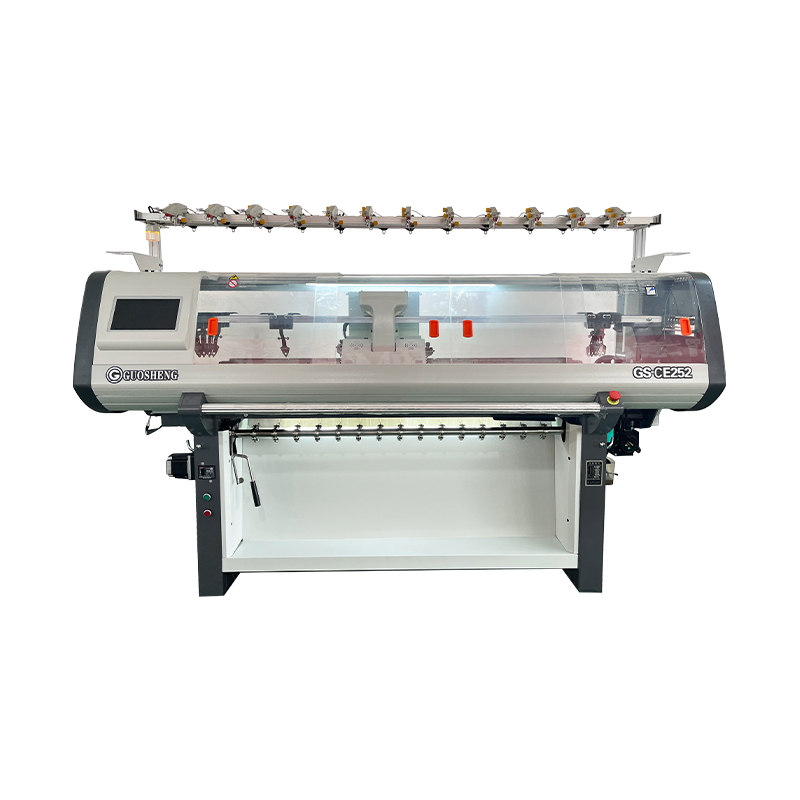
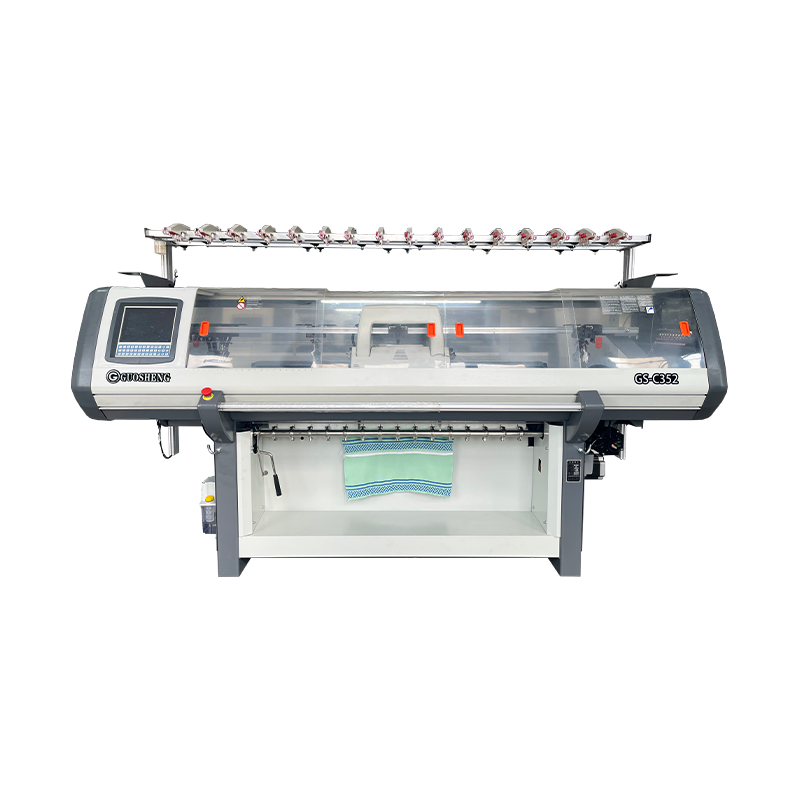
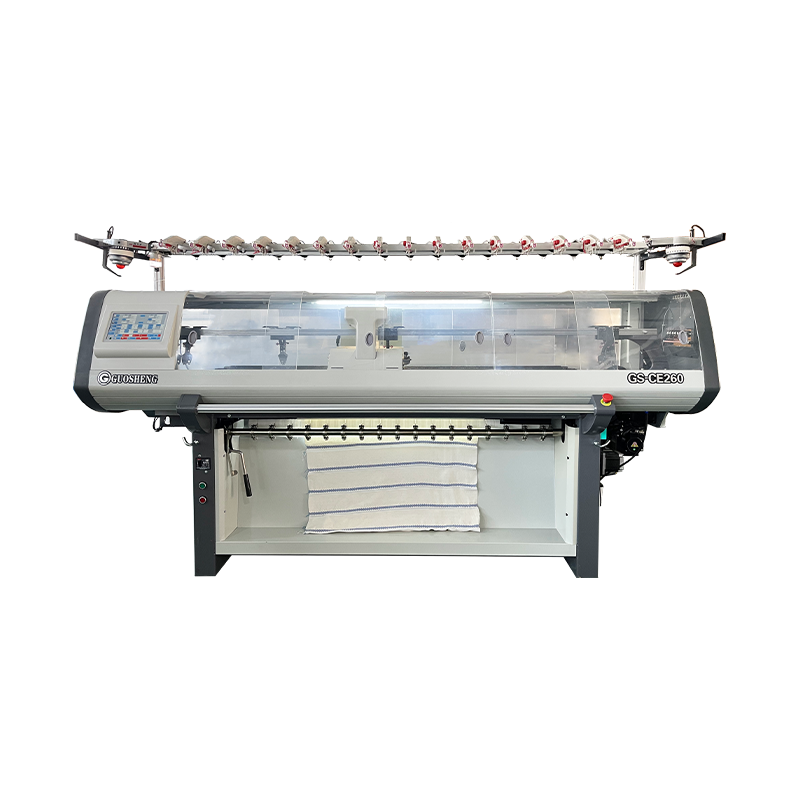
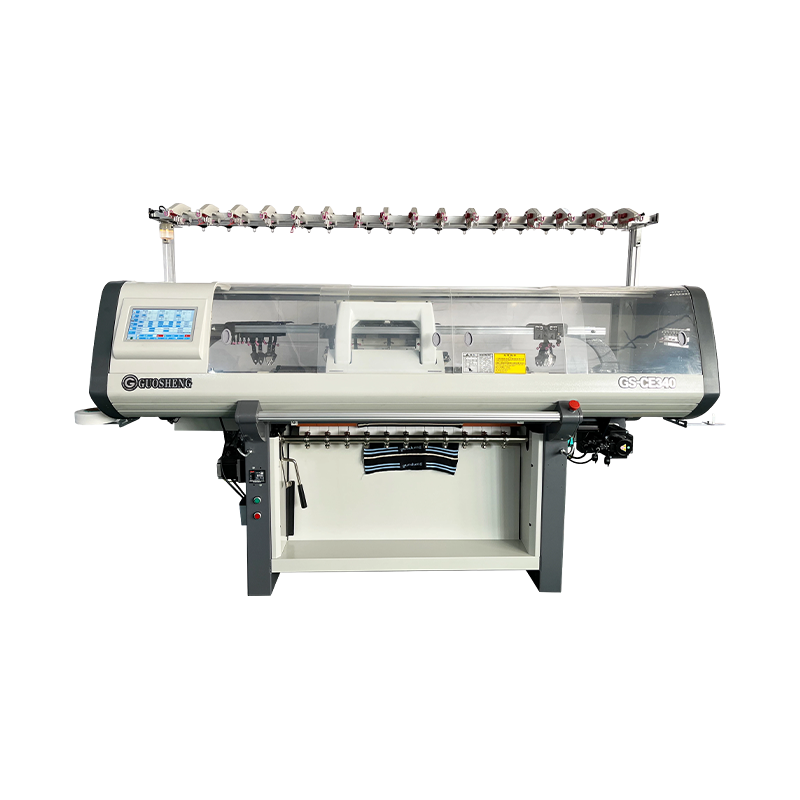
We build computerized flat knitting machines in Changshu, in the Jiangsu textile machinery cluster, and we have watched this shift from close range. Our range covers sweater machines in economic and full-function versions, collar machines, blanket machines, shoe upper machines, ready-to-wear sweater, glove and hat machines, knee pad machines and metal mesh machines, with single, double, three and four system options and working widths from 36 to 100 inches.
What customers tend to value most is not the specification sheet but the conversation before it. Tell us the yarn, the product and the order pattern, and we can point you at the configuration that fits rather than the largest machine on the list. If you would like to talk it through, get in touch with our team and we will work through the options with you.
Three-dimensional knitting has been available to manufacturers for years, but it has only recently become the default answer for seamless garments and footwear. The machines are capable, the yarns are ready, and the demand is coming from customers who no longer want seams in the first place. The right place to start is with the product you intend to make, and a specification that matches it honestly.

Ready to Begin?
Product Categories
- Sweater Knitting Machine (Economic SE)
- Sweater Knitting Machine (Full Function S)
- Collar Knitting Machine (Economic CE)(Fabric)
- Collar Knitting Machine (Full-Function C)
- Blanket Knitting Machine(Fabric)
- Shoe Upper Knitting Machine
- Ready To Wear Sweater Knitting Machine
- Ready To Wear Glove Knitting Machine
- Ready To Wear Hat Knitting Machine
- Knee Pad Knitting Machine
- Metal Mesh Knitting Machine
Contact Information
-
 Email: gs@guoshengchina.cn
-
 Phone: +86-0512-52690511
-
 Address: No. 18, Hupu Pujiang Road, Bixi New District, Changshu City, Jiangsu Province, China
QR Code
