


 English
  Español
  русский
  عربى
عربى  中文简体
中文简体 

Industry News
Automatic Knitting Machine for Blankets: Buyer's Guide and Selection Tips
Date:Sep 14, 2026
Content
A workshop running five hand flat machines needs five operators who never leave the carriage, and the quality of every blanket still depends on how steadily each person carries. An automatic knitting machine for blankets changes that equation. The pattern file loads into a controller, the carriage travels the full bed on its own, and one trained technician can supervise several machines at the same time. If your plan is to produce blanket fabric in repeated volume, automation is usually the point where cost per piece starts to fall. Whether it falls far enough for your business comes down to four things: gauge, bed width, the number of knitting systems, and the supplier's support once the machine is installed.
How an Automatic Blanket Machine Fits Into a Production Line
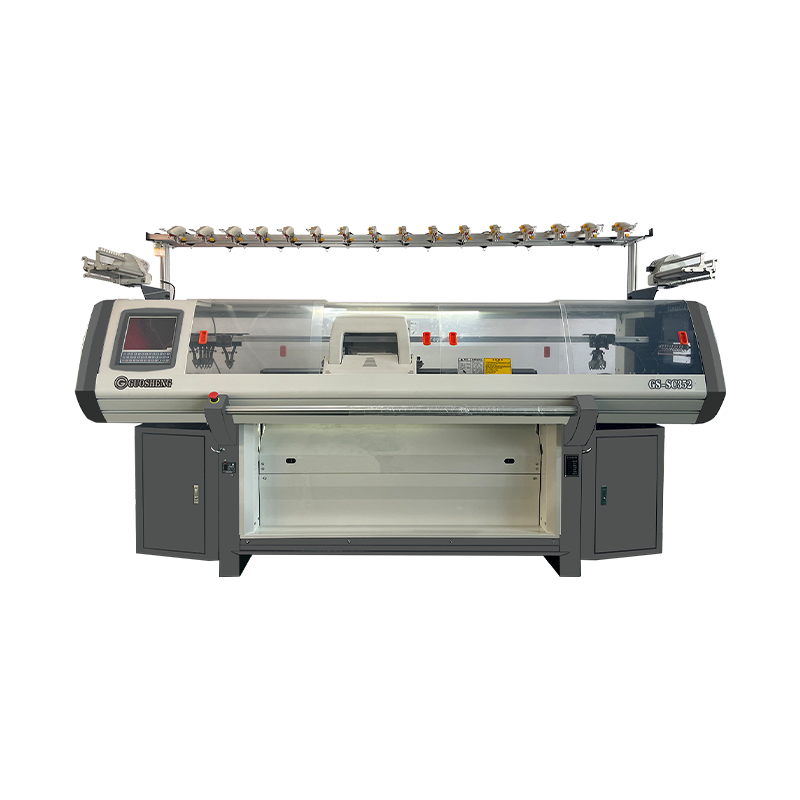
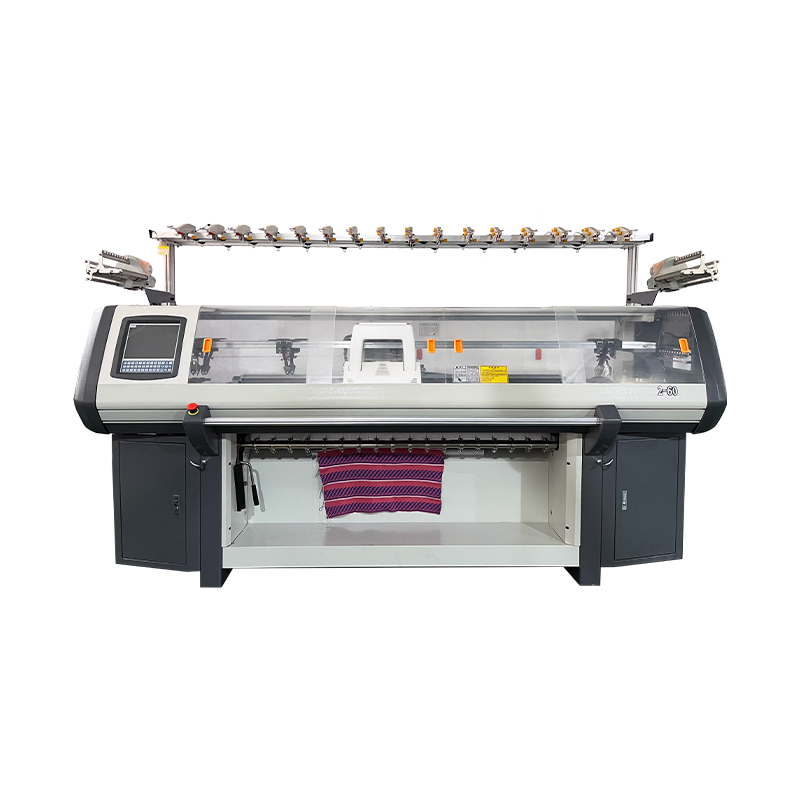
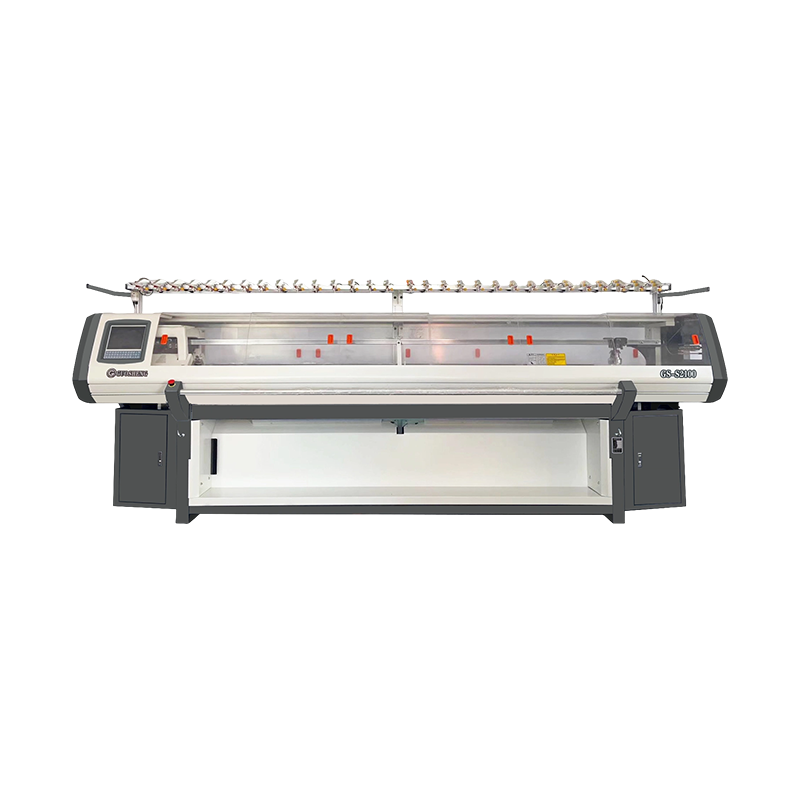
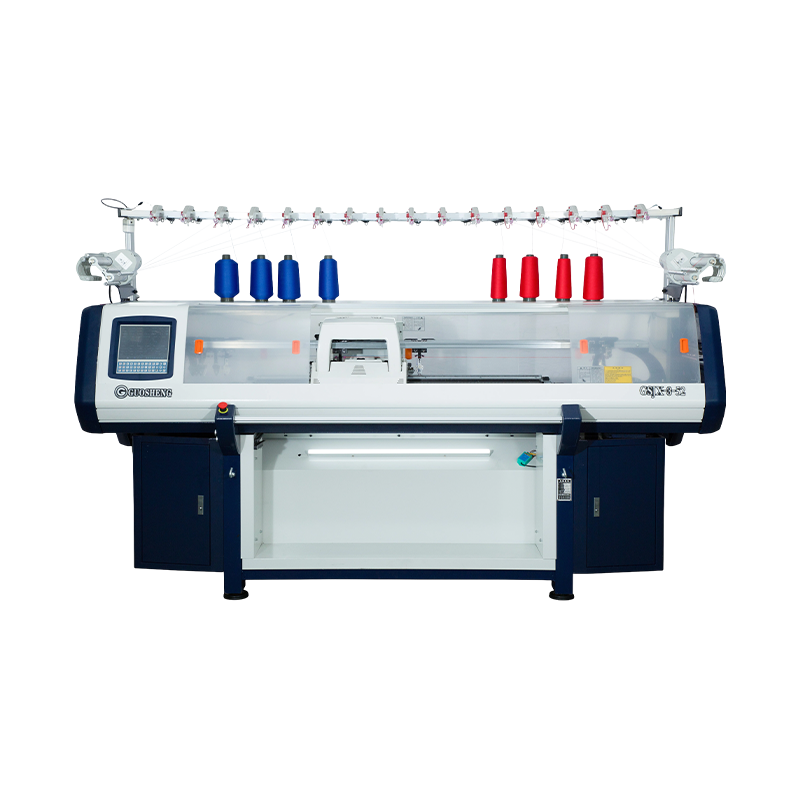
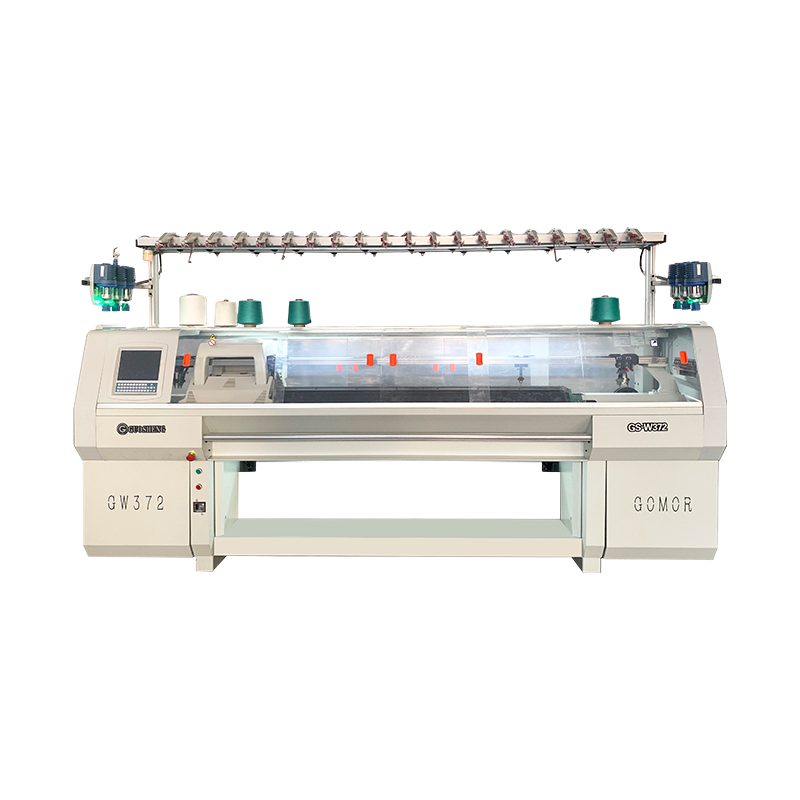
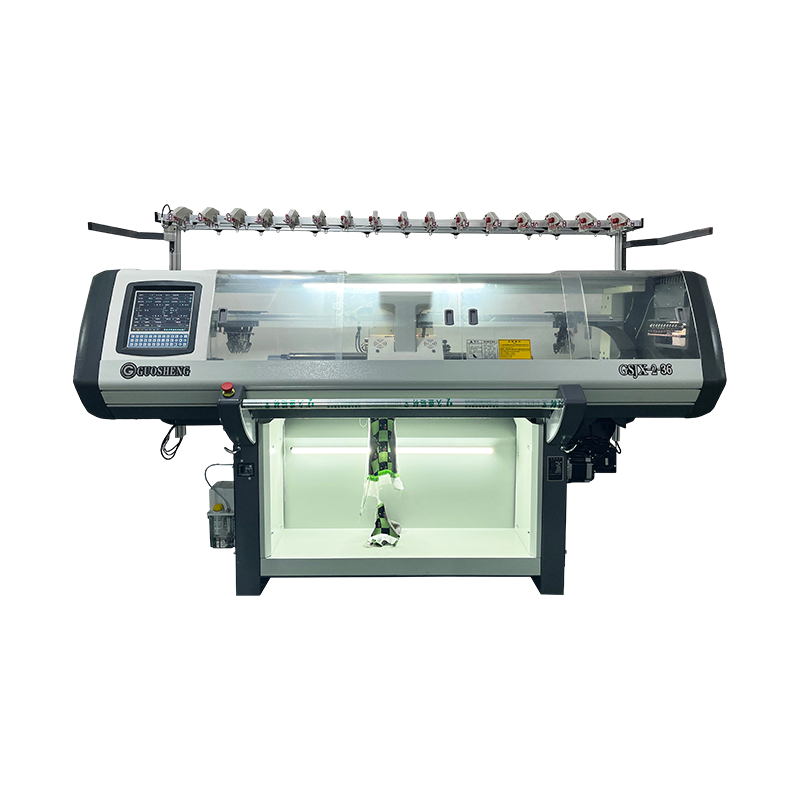
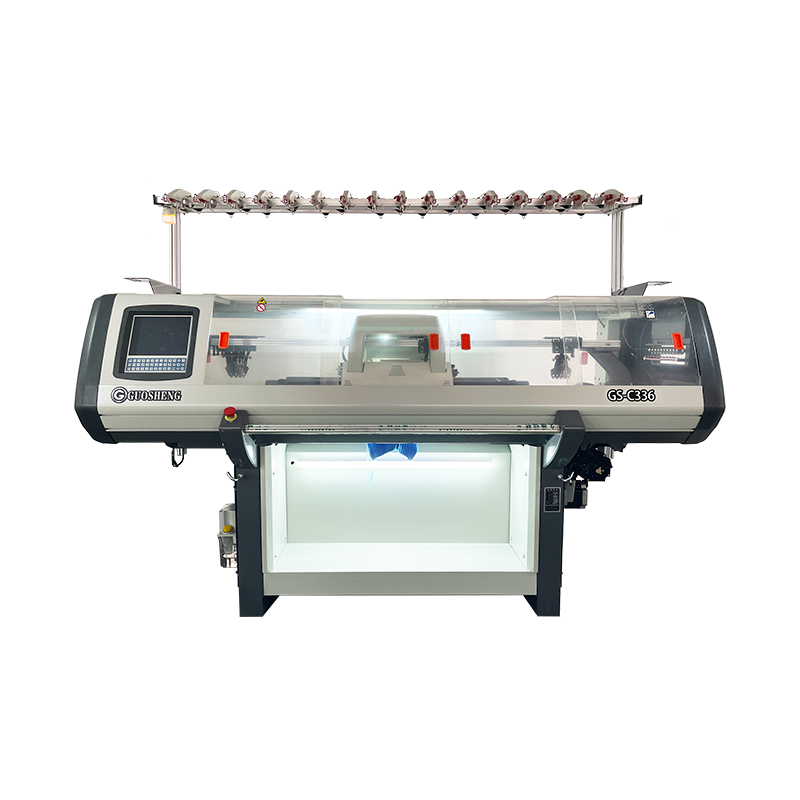
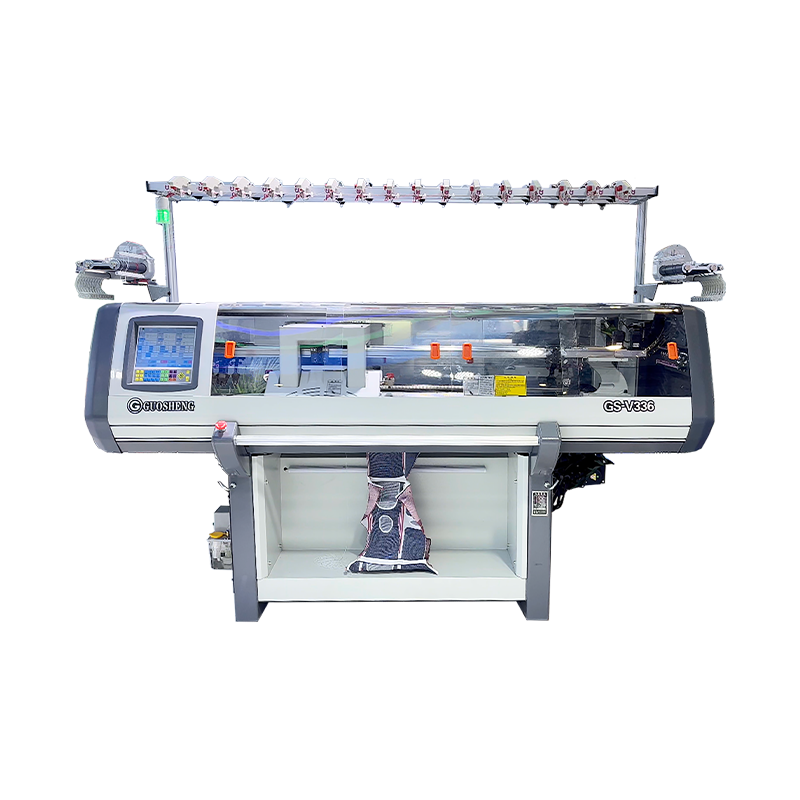
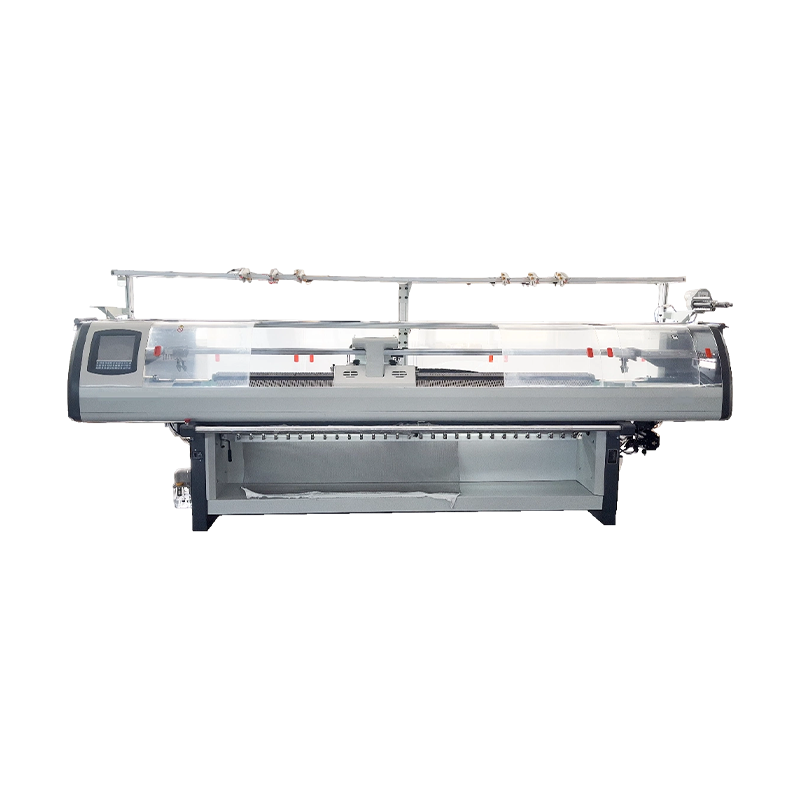
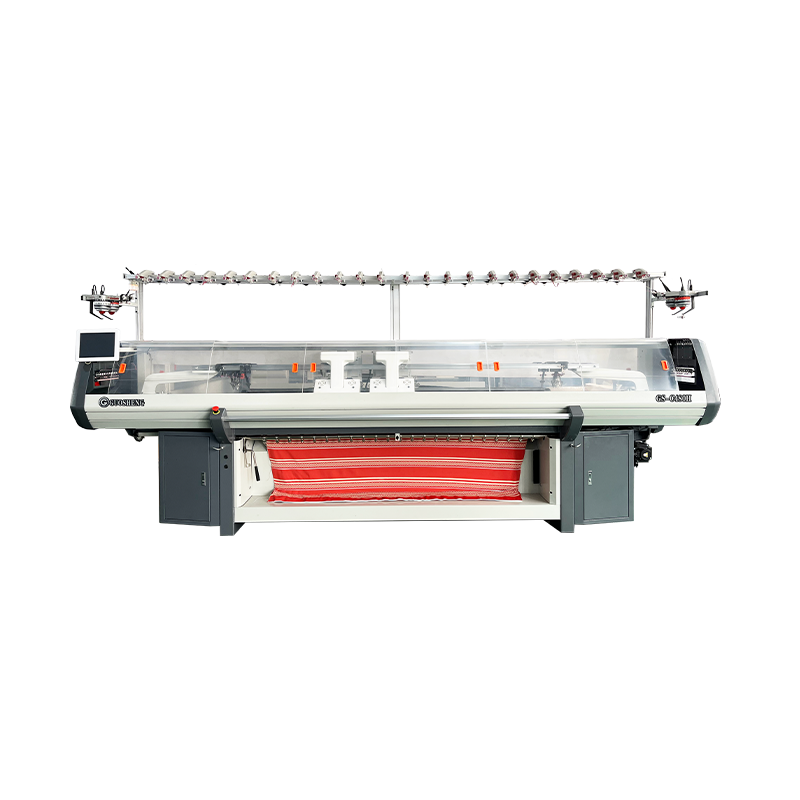
An automatic blanket knitting machine is a computerized flat knitting machine configured for fabric output. A control system holds the pattern, a servo-driven carriage carries the knitting systems across the needle bed, yarn feeders supply each color, and an automatic take-down draws the fabric off at even tension. Because the pattern is digital, switching from a plain rib body to a jacquard motif is a file change rather than a mechanical rebuild.
The word "fabric" in most blanket machine names matters. Machines in this class produce open-width fabric that is later cut, edged, and finished downstream. That is a different job from ready-to-wear machines, which knit complete shaped products such as sweaters, hats, or gloves directly on the machine. Blankets suit the fabric route because the product is essentially a rectangle: the machine's task is to deliver consistent, repeatable yardage, while overlockers and binding equipment handle the edges.
One category boundary is worth stating plainly. Thick plush blankets of the mink variety are warp knitted on Raschel equipment, which belongs to a separate machine family. A computerized flat machine will not reproduce that structure, so confirming which fabric construction your market expects should happen before any machine comparison begins.
The Specifications That Decide Whether a Machine Fits
Brochures list dozens of parameters, but three of them determine most buying outcomes.
Gauge Sets the Fabric Character
Gauge, written as G, describes needles per inch across the bed. Lower gauges knit thicker yarns into dense, heavy fabric, while higher gauges knit finer yarns into lighter cloth. In practice, 7G to 9G covers chunky throws and ribbed blanket fabric, and 12G to 14G suits baby blankets and lightweight weaves. If your product plan spans both ends, that is a two-machine decision rather than a compromise in the middle, because gauge is fixed hardware.
Bed Width Determines Single-Piece Fabric
Flat machines are built in a range of bed widths, and width decides whether a blanket leaves the machine as one piece or as panels that must be seamed. For standard throw through queen-size products, confirm that the usable knitting width covers your finished dimensions plus a finishing allowance. Seaming adds labor and a visible line down the blanket, so width is rarely the place to economize on a fabric machine.
Systems and Take-Down Shape Productivity
A machine with two knitting systems knits two courses per carriage pass instead of one, which roughly doubles output on the plain body areas that make up most blanket yardage. Take-down is quieter but just as important: even tension across the full width is what keeps weight and hand feel consistent from selvedge to selvedge. When you evaluate machines, ask to see the take-down running on wide fabric, not only on narrow samples.
| Specification | What It Controls | Practical Impact on Blankets |
|---|---|---|
| Gauge (7G to 14G common) | Stitch density and yarn thickness | 7G to 9G suits chunky throws; 12G to 14G suits lightweight and baby blankets |
| Bed width | Maximum single-piece fabric width | Wider beds avoid panel knitting and visible seams on standard blanket sizes |
| Knitting systems | Courses knitted per carriage pass | Double systems roughly double output on plain body fabric |
| Take-down and rolling | Fabric tension control | Even tension keeps weight and hand feel consistent across the full width |
| Control software | Pattern structures available | Determines jacquard, tuck, and transfer designs you can offer customers |
Automatic Versus Manual and Semi-Automatic Equipment
Automatic machines cost more upfront, so it helps to be clear about what the alternatives actually do well. Manual and semi-automatic equipment is not obsolete; it occupies a different position in the workflow. Most fabric operations frame the choice roughly like this:
| Equipment Class | Best Use | Labor Demand | Main Limitation |
|---|---|---|---|
| Hand flat machine | Sampling and custom one-offs | One operator per machine | Slow and skill dependent |
| Semi-automatic machine | Simple repeated structures | One operator per machine | Limited patterning and frequent manual steps |
| Computerized automatic machine | Bulk blanket fabric production | One technician supervising several machines | Higher upfront cost and support requirements |
The practical pattern in the industry is a split role: hand or semi-automatic machines for sampling new structures and small custom runs, automatic machines for the bulk body fabric that carries the volume. A workshop that invests only in automation sometimes discovers it has no inexpensive way to prototype. A workshop that stays manual finds its cost per blanket permanently fixed by headcount.
Matching the Machine to Your Blanket Range
Before comparing quotes, write down the blankets you intend to sell, because each product family points to a different setup:
- Chunky throws and ribbed blankets: lower gauges around 7G to 9G, thicker acrylic or blended yarns, and a take-down rated for heavy fabric.
- Lightweight throws and baby blankets: 12G to 14G machines with finer yarn feed systems for softer, lighter cloth.
- Pattern-led designs: multi-system machines with pattern software for jacquard motifs, tuck textures, and lettering; an intarsia option is worth pricing if large color blocks are part of your range.
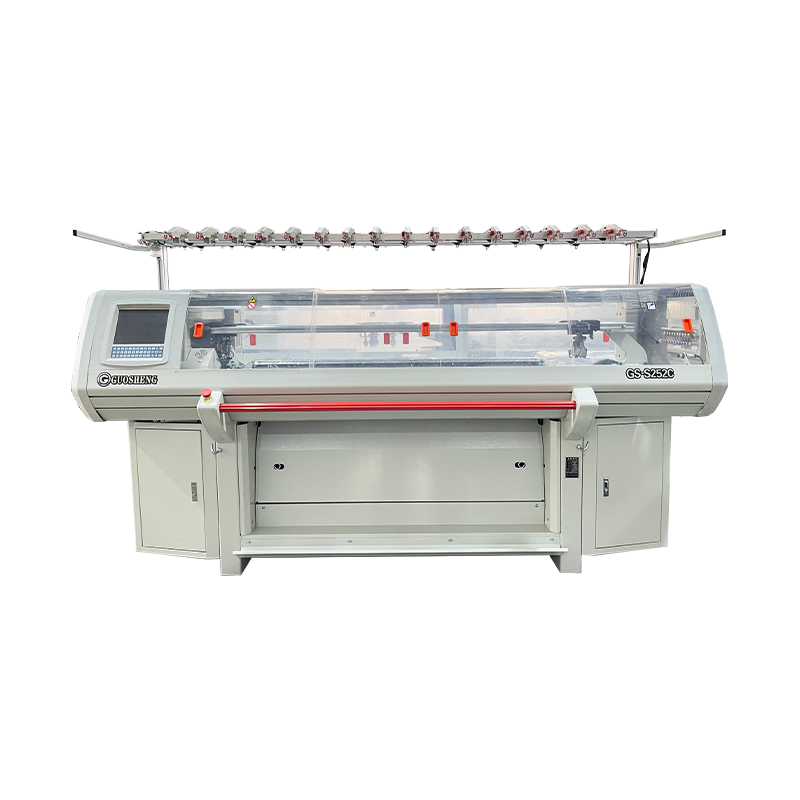
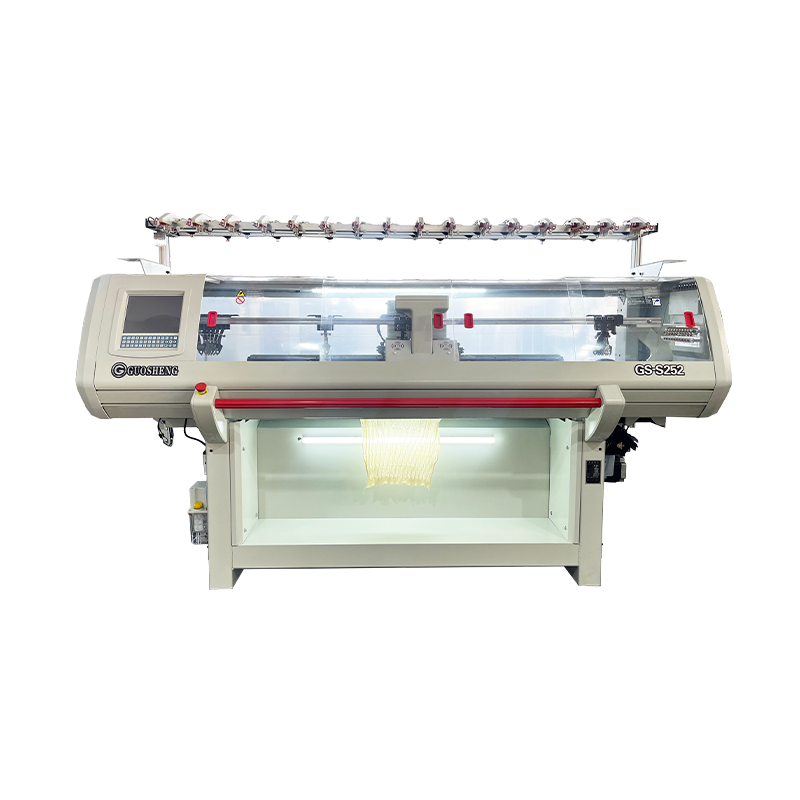
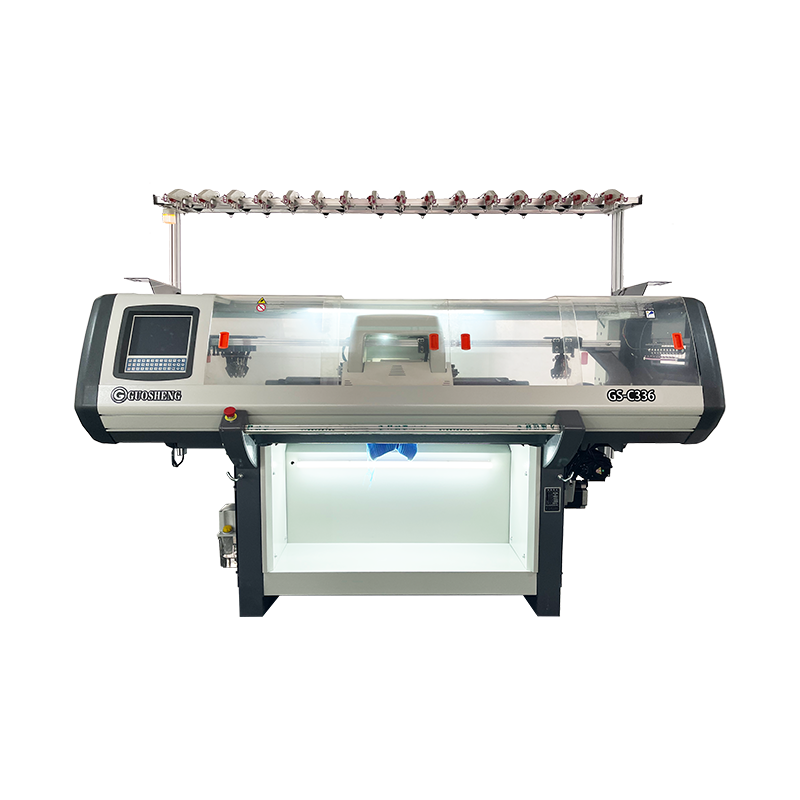
Established manufacturers organize their catalogues along these same lines. Guosheng Wonderful, a computerized knitting machine maker based in Changshu in Jiangsu, China, lists its blanket model in the fabric class beside its sweater and collar machines and keeps a separate ready-to-wear range for fully fashioned products. That same sorting logic is the fastest way for a buyer to shortlist: fabric-output machines for blankets, garment-output machines for shaped products.
Whatever machine you select, remember that the fabric route does not end at the take-down roller. Cutting, overlocking, and edge binding remain, and their capacity needs to grow in step with knitting output. Factories that budget for the whole line, not just the knitting machine, reach planned output faster.
Procurement Risks Worth Retiring Before You Sign
Blanket machines are capital equipment, and most disputes with suppliers trace back to a handful of avoidable gaps. Treat the following as a contract checklist rather than good intentions:
- Run your own production yarn on the machine before final payment, and wash the resulting swatches to check density, shrinkage, and hand feel.
- Put installation, commissioning, and operator training in writing, with the supplier's engineer present at startup rather than available only by phone.
- Confirm spare parts for wear items such as needles, sinkers, and cams, and ask for the expected response time on controller support.
- Verify certifications and, for larger orders, commission a factory inspection before the deposit moves.
- Price the complete line, including finishing equipment, yarn stock, and training, so the true investment is visible before you compare quotes.
Suppliers differ most on the second and third points. A manufacturer that installs and services its own machines, as established exporters in clusters like Changshu typically do, removes the most common failure point in automated knitting projects: a machine that runs in the demo hall but stalls in a factory with no local technician.
The decision in one line: choose the gauge and bed width your blanket range actually needs, insist on trial fabric in your own yarn, and weigh the total installed cost with support terms included. Do those three things and an automatic blanket knitting machine becomes a straightforward capacity calculation instead of a gamble.

Ready to Begin?
Product Categories
- Sweater Knitting Machine (Economic SE)
- Sweater Knitting Machine (Full Function S)
- Collar Knitting Machine (Economic CE)(Fabric)
- Collar Knitting Machine (Full-Function C)
- Blanket Knitting Machine(Fabric)
- Shoe Upper Knitting Machine
- Ready To Wear Sweater Knitting Machine
- Ready To Wear Glove Knitting Machine
- Ready To Wear Hat Knitting Machine
- Knee Pad Knitting Machine
- Metal Mesh Knitting Machine
Contact Information
-
 Email: gs@guoshengchina.cn
-
 Phone: +86-0512-52690511
-
 Address: No. 18, Hupu Pujiang Road, Bixi New District, Changshu City, Jiangsu Province, China
QR Code
