


 English
  Español
  русский
  عربى
عربى  中文简体
中文简体 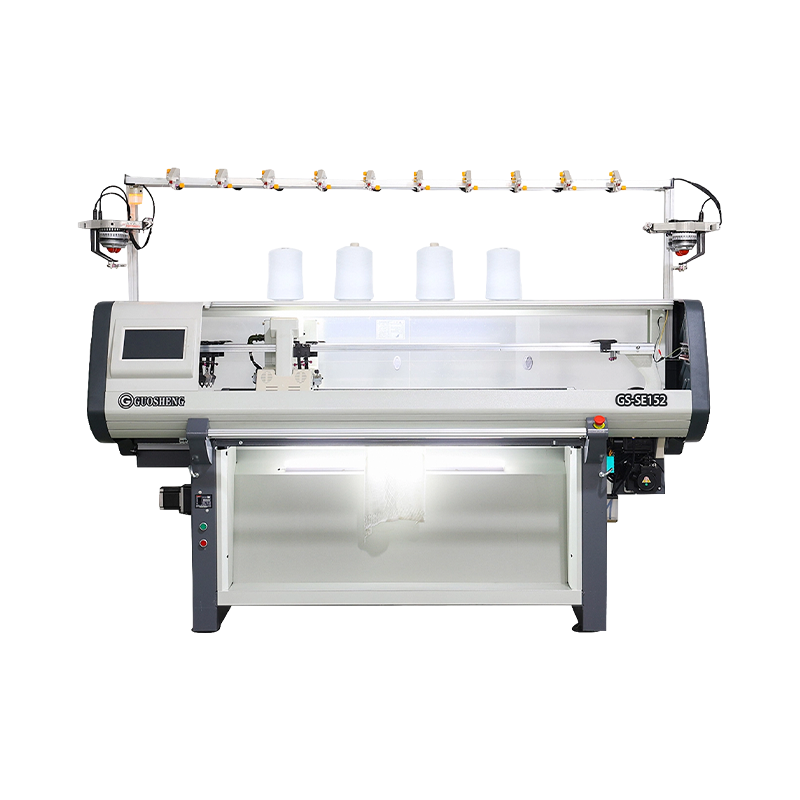
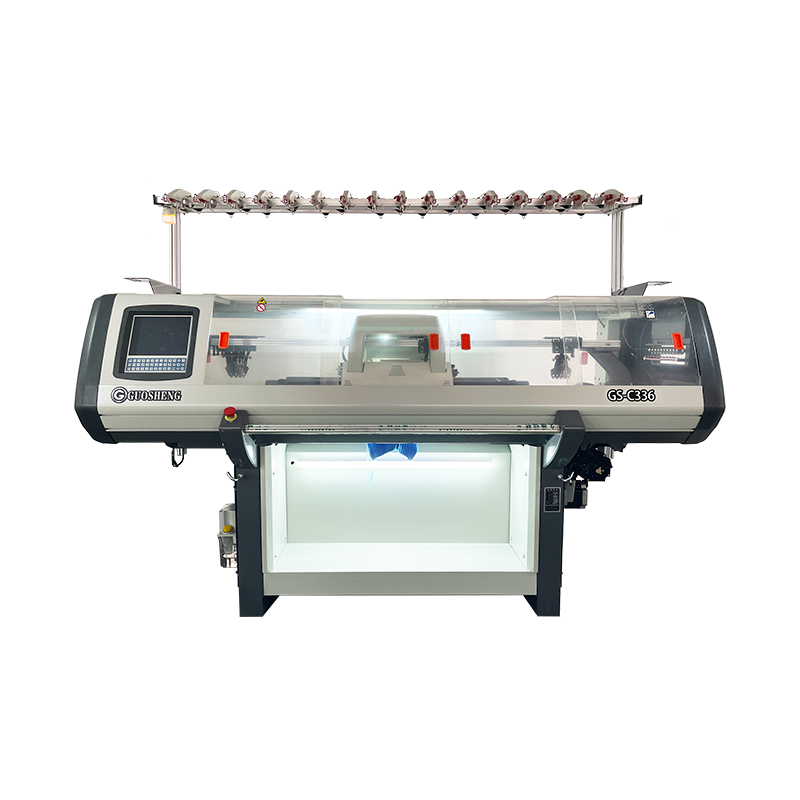
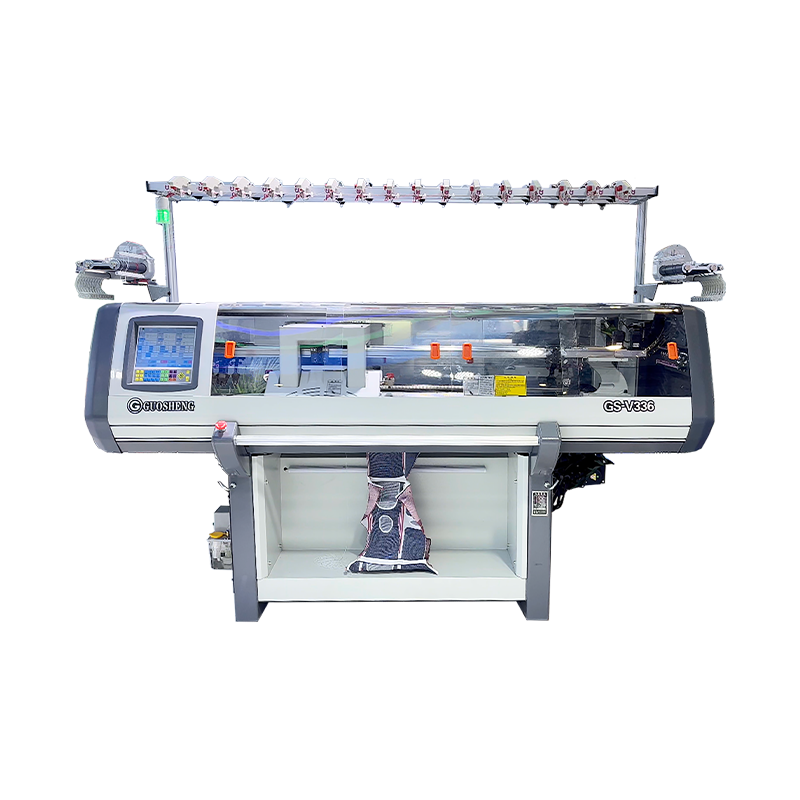
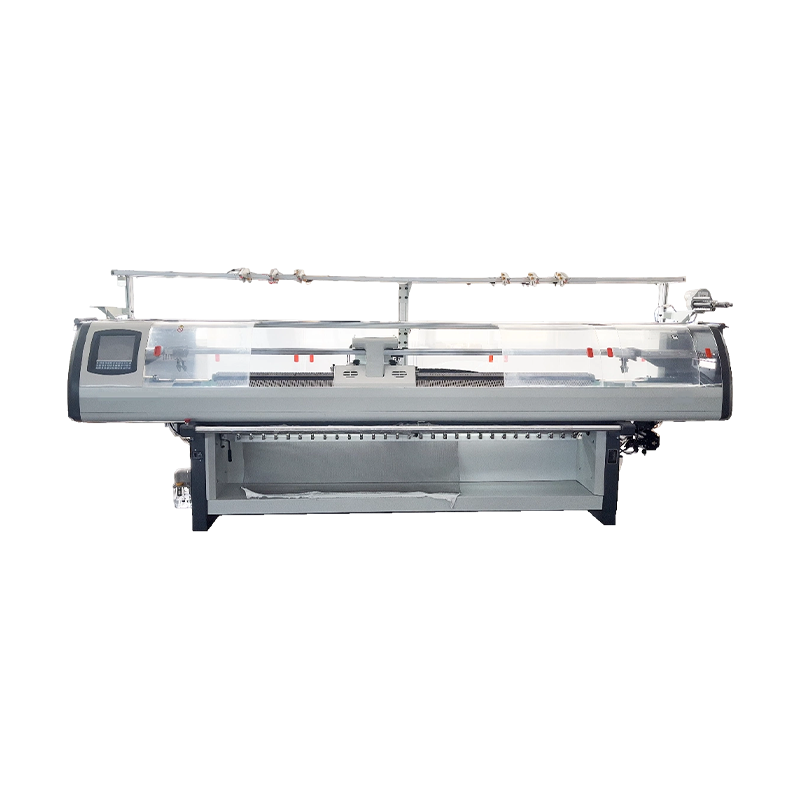

Industry News
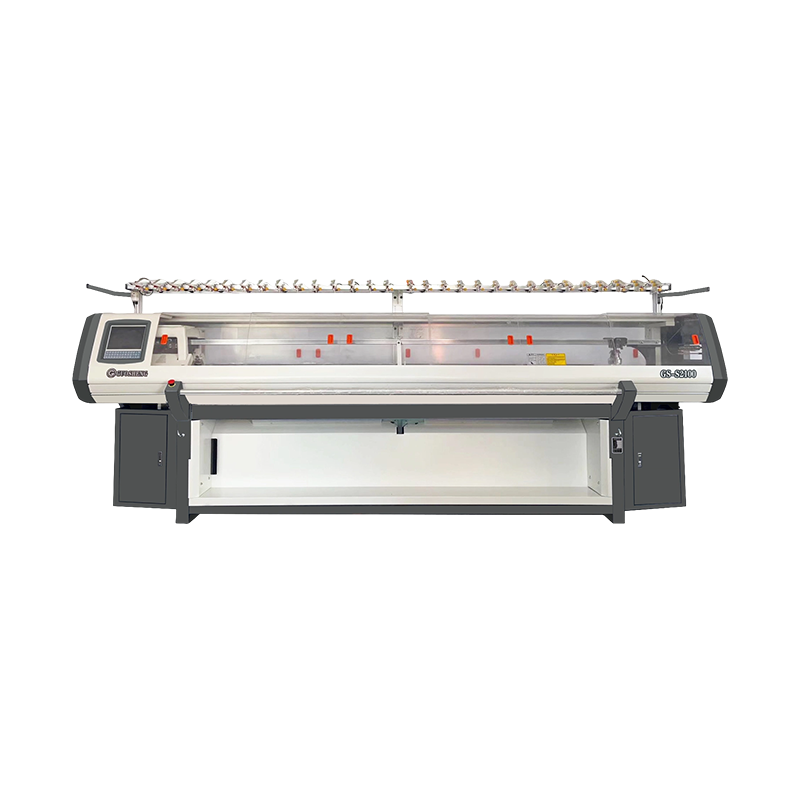
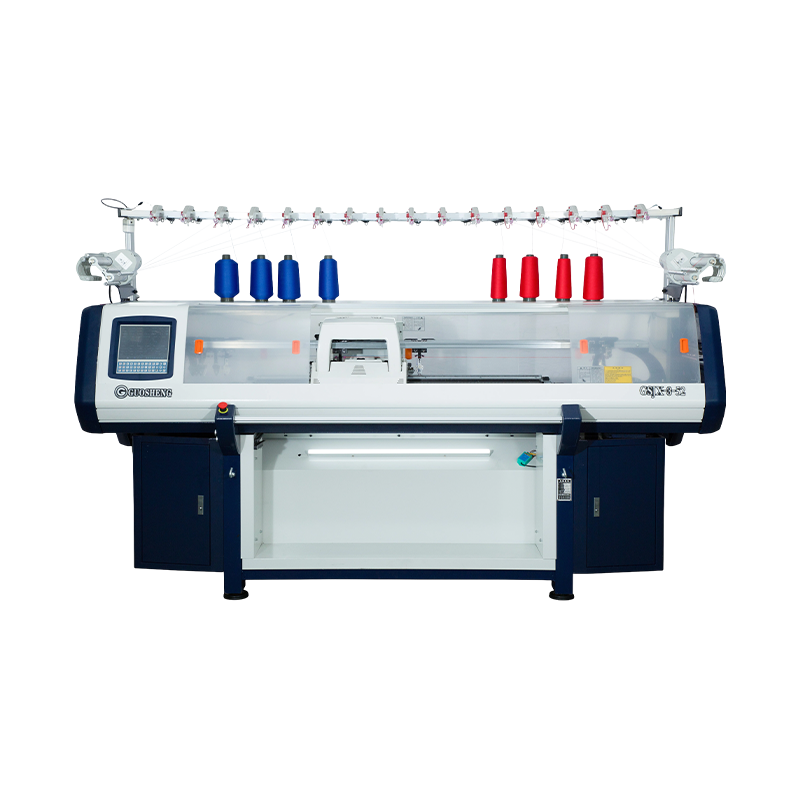
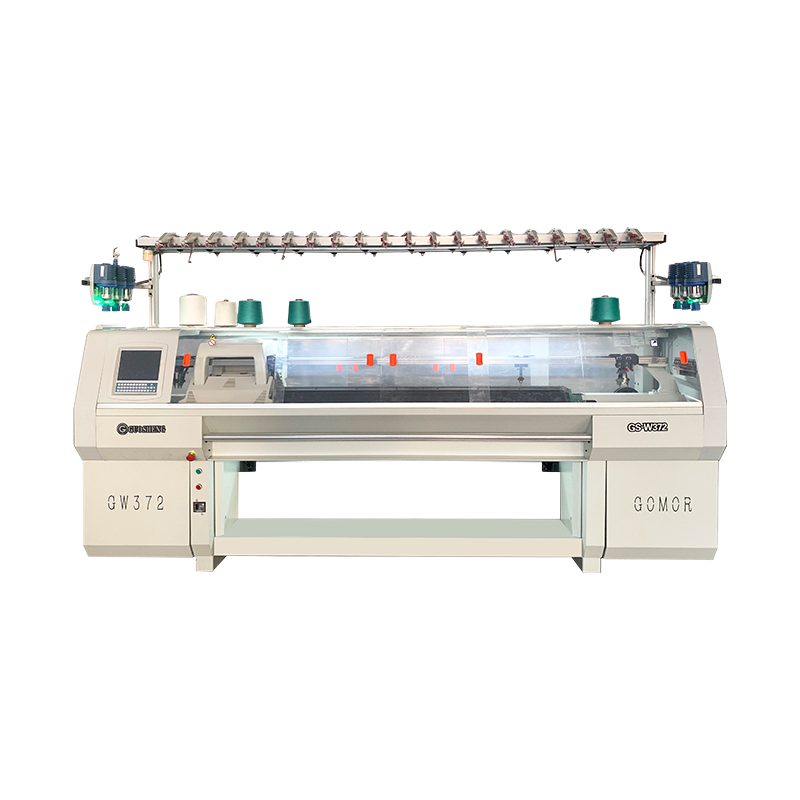
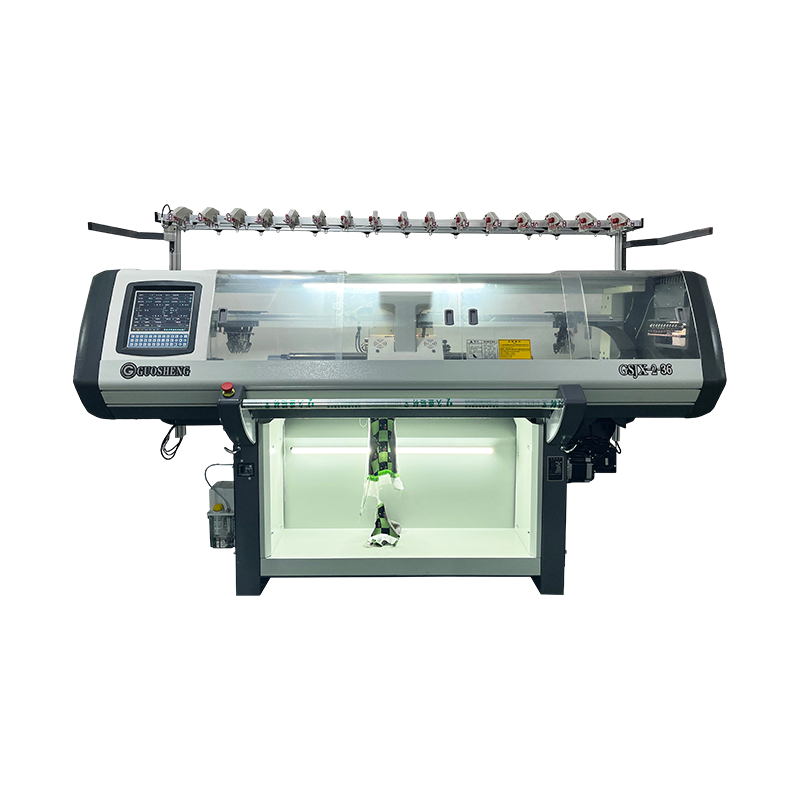
What Makes a Computerized Sweater Knitting Machine Worth the Investment?
Date:Sep 14, 2026
Content
How Computerized Sweater Knitting Machines Work
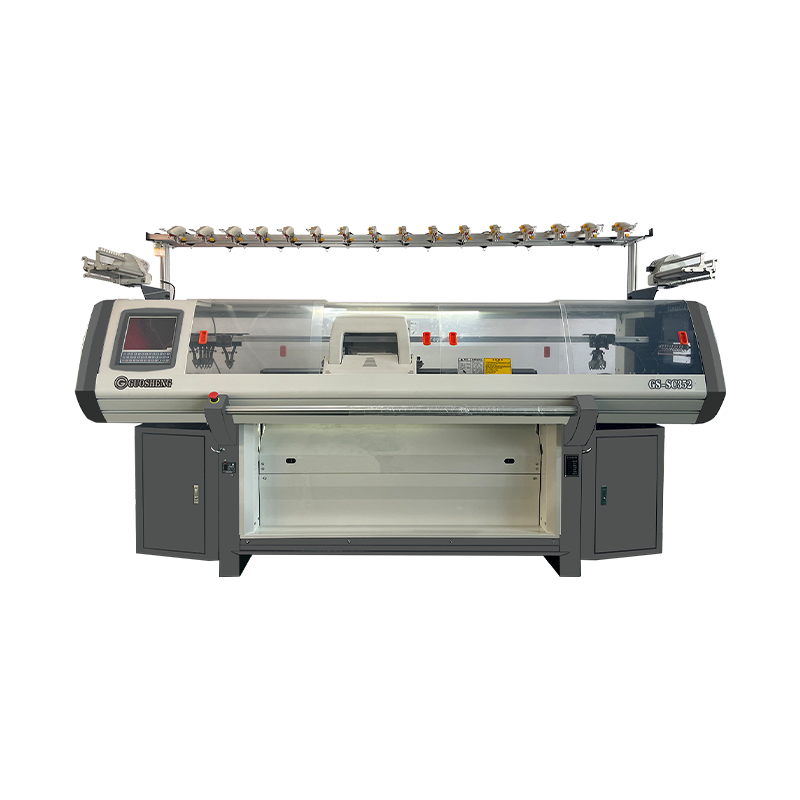
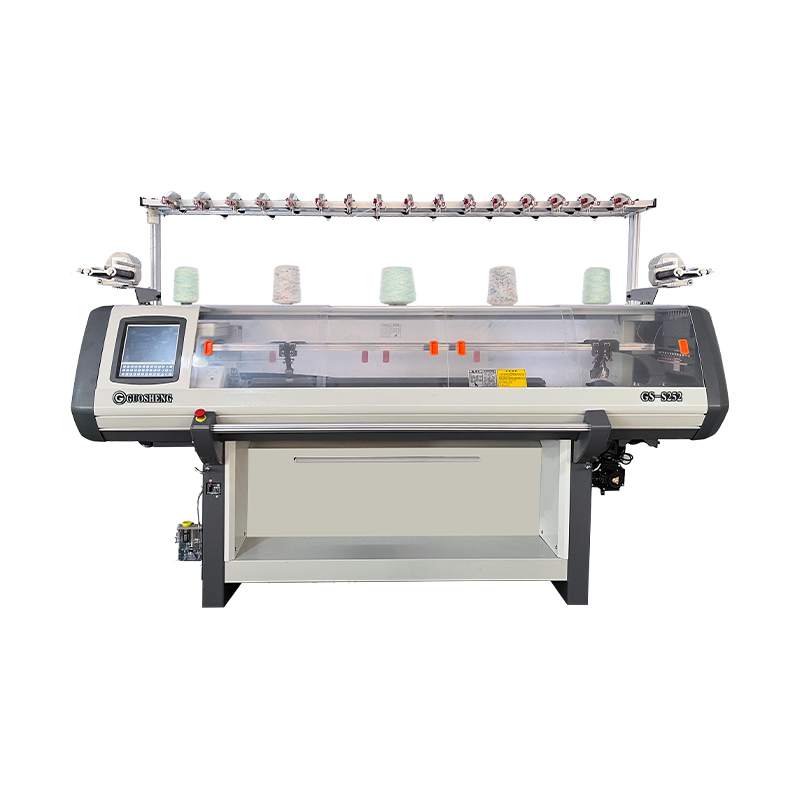
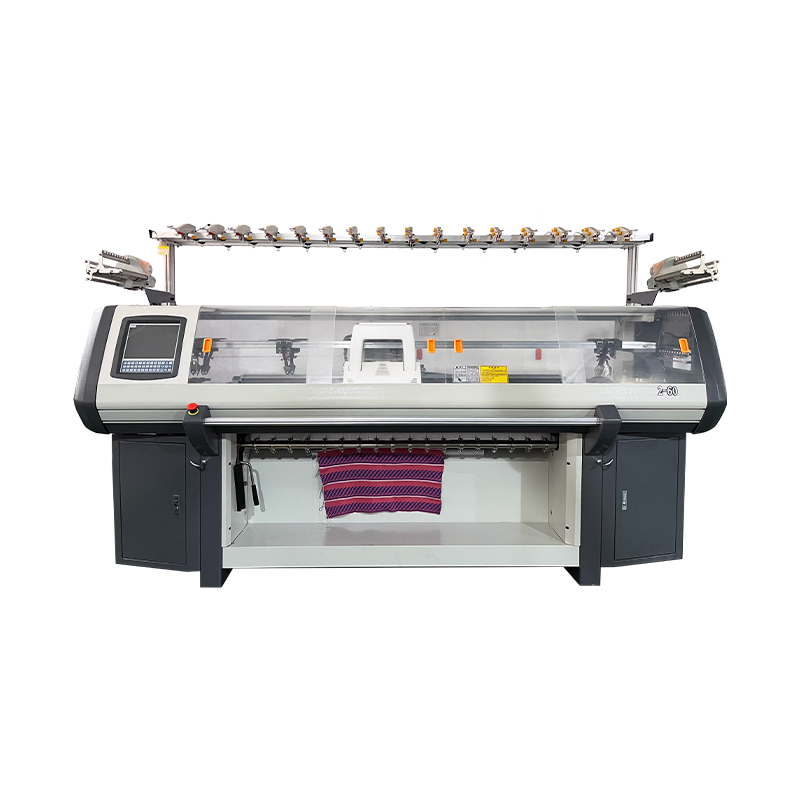
A computerized sweater knitting machine relies on a digital control system to automate the movement of needles, carriages, and yarn feeders. Instead of a human operator manually adjusting settings for every stitch pattern, the machine reads instructions from a stored program and executes them with precision. Sensors continuously monitor tension, needle position, and yarn feed, sending real-time feedback to the control unit so that adjustments happen automatically rather than through trial and error.
This automation allows manufacturers to produce complex patterns such as cable knits, jacquard designs, and intarsia work without stopping the machine to reset mechanical dials. The control software translates a digital design file into a sequence of needle movements, meaning a single machine can switch between dozens of pattern styles simply by loading a new program.
Key Components and Technologies
Understanding the core components helps buyers evaluate machine quality before purchase. Most computerized sweater knitting machines share the following building blocks, though the sophistication of each part varies by manufacturer and price point.
- Servo motors that drive the carriage with consistent speed and torque
- Electronic needle selection systems that replace mechanical cams
- Yarn tension sensors that reduce breakage and dropped stitches
- A programmable logic controller (PLC) or industrial PC running the knitting software
- Pattern design software compatible with common file formats used in garment CAD
The quality of the needle selection system in particular has a direct effect on stitch consistency. Machines with finer electronic selection can produce more intricate textures and reduce the visible seams between pattern sections, which matters for brands producing premium knitwear.
Benefits Over Traditional Knitting Machines
Manufacturers switching from manual or mechanical flatbed machines to computerized systems typically see improvements across three areas: output speed, defect rate, and design flexibility. Below is a comparison that outlines the practical differences buyers should weigh.
| Factor | Manual/Mechanical Machine | Computerized Machine |
| Pattern change time | 30–60 minutes | Under 5 minutes |
| Stitch consistency | Operator dependent | Consistent across runs |
| Design complexity | Limited by cam mechanics | Nearly unlimited via software |
| Labor requirement | Higher, skilled operators | Lower, one operator per line |
Beyond the numbers, computerized machines also reduce the learning curve for new staff. An operator does not need years of mechanical knowledge to run the equipment; instead, they need to understand the software interface, which is typically easier to train on within a matter of weeks.
Choosing the Right Machine for Your Production Needs
Not every computerized sweater knitting machine suits every production line. Buyers should assess their expected order volume, garment complexity, and available floor space before committing to a specific model or manufacturer.
Gauge and Needle Bed Considerations
Gauge refers to the number of needles per inch on the machine bed, and it determines the thickness and texture of the final fabric. A finer gauge produces lighter, more delicate knitwear suitable for spring and summer collections, while a coarser gauge is better for heavy winter sweaters. Many factories operate multiple machines at different gauges to cover a full seasonal product range, so it is worth confirming that a supplier can service or supply parts across the gauge range you plan to run.

Software and Pattern Design Capabilities
The knitting software bundled with the machine is just as important as the hardware itself. Look for software that supports direct import from common garment design tools, offers a stitch simulation preview before production, and allows pattern libraries to be saved and reused across future orders. Machines with cloud-based or networked software also make it easier to manage multiple units from a single control station, which is useful for factories running more than one line.
Maintenance and Operational Best Practices
Computerized machines require different maintenance habits than purely mechanical equipment. Because performance depends heavily on sensors and electronic components, dust and humidity control in the production area become more critical than with older mechanical machines. Establishing a maintenance routine helps prevent unplanned downtime and extends the service life of the equipment.
- Clean needle beds and yarn guides daily to prevent lint buildup
- Check tension sensor calibration weekly to avoid stitch defects
- Update control software when the manufacturer releases stability patches
- Inspect servo motors and belts on a scheduled quarterly basis
- Keep a backup of all pattern files in case of software failure
Training operators to recognize early warning signs, such as unusual noise from the carriage motor or inconsistent stitch tension on the display, can prevent minor issues from turning into costly repairs. Many manufacturers also offer remote diagnostic support, allowing a technician to review machine logs without an on-site visit, which can significantly shorten downtime when something does go wrong.
In the long run, a well-maintained computerized sweater knitting machine offers a strong return on investment through faster changeovers, higher first-pass quality, and the flexibility to respond quickly to changing fashion trends. For manufacturers evaluating an upgrade from mechanical equipment, weighing gauge options, software capability, and maintenance requirements together will lead to a more informed purchasing decision.

Ready to Begin?
Product Categories
- Sweater Knitting Machine (Economic SE)
- Sweater Knitting Machine (Full Function S)
- Collar Knitting Machine (Economic CE)(Fabric)
- Collar Knitting Machine (Full-Function C)
- Blanket Knitting Machine(Fabric)
- Shoe Upper Knitting Machine
- Ready To Wear Sweater Knitting Machine
- Ready To Wear Glove Knitting Machine
- Ready To Wear Hat Knitting Machine
- Knee Pad Knitting Machine
- Metal Mesh Knitting Machine
Contact Information
-
 Email: gs@guoshengchina.cn
-
 Phone: +86-0512-52690511
-
 Address: No. 18, Hupu Pujiang Road, Bixi New District, Changshu City, Jiangsu Province, China
QR Code
