


 English
 Español
 русский
 عربى
 中文简体

Industry News
Flat Knitting Machine Guide: How to Choose the Right Industrial System
Date:Oct 22, 2026
Content
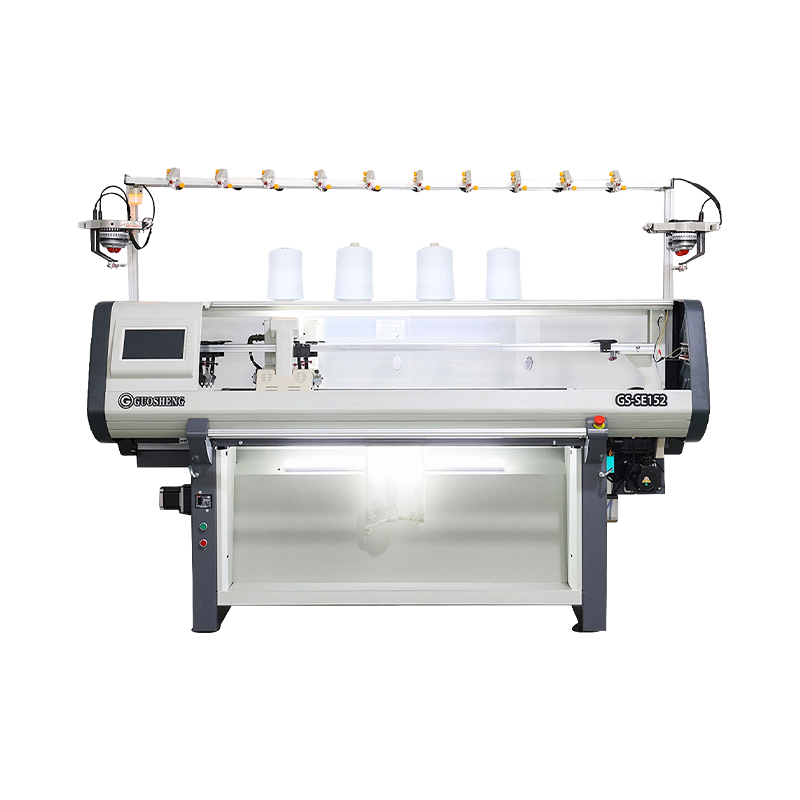
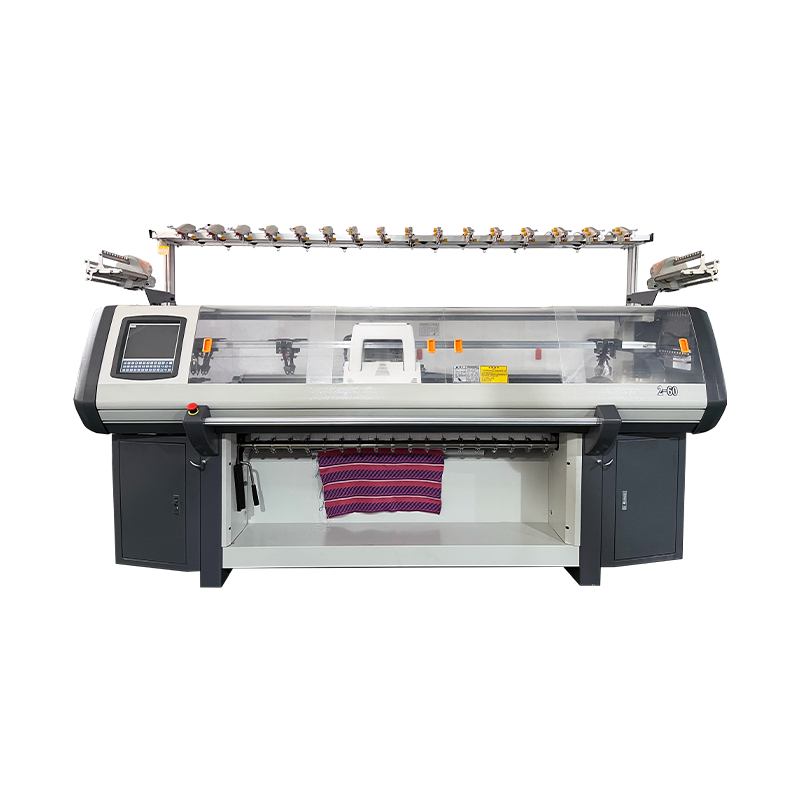
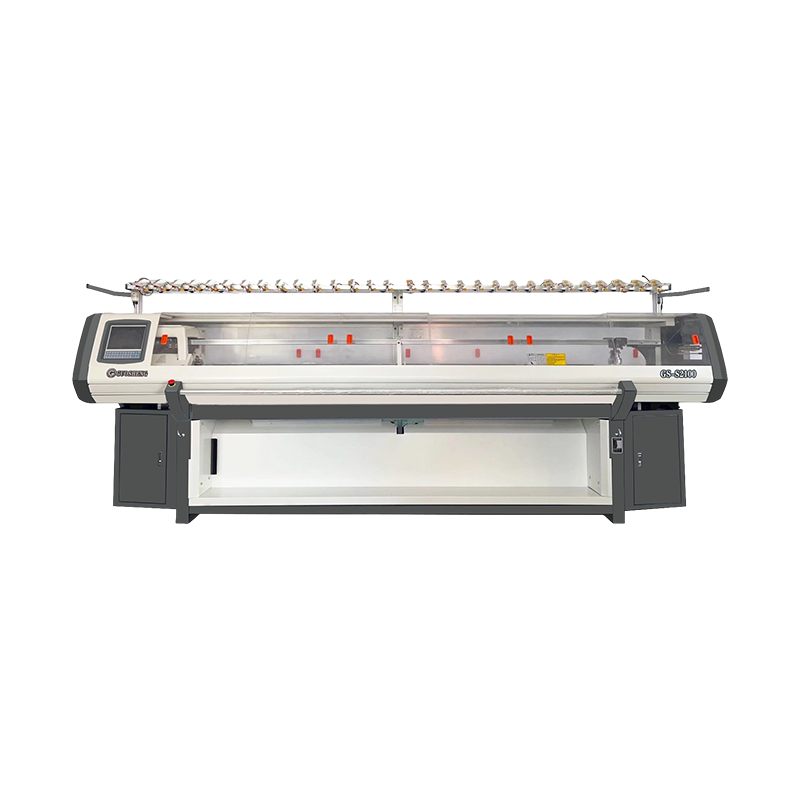
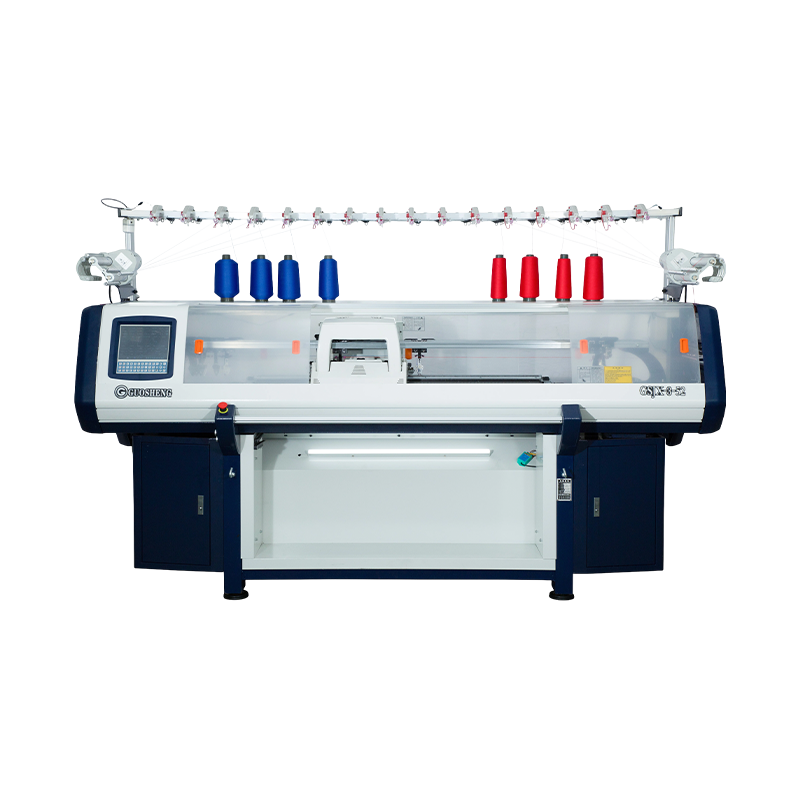
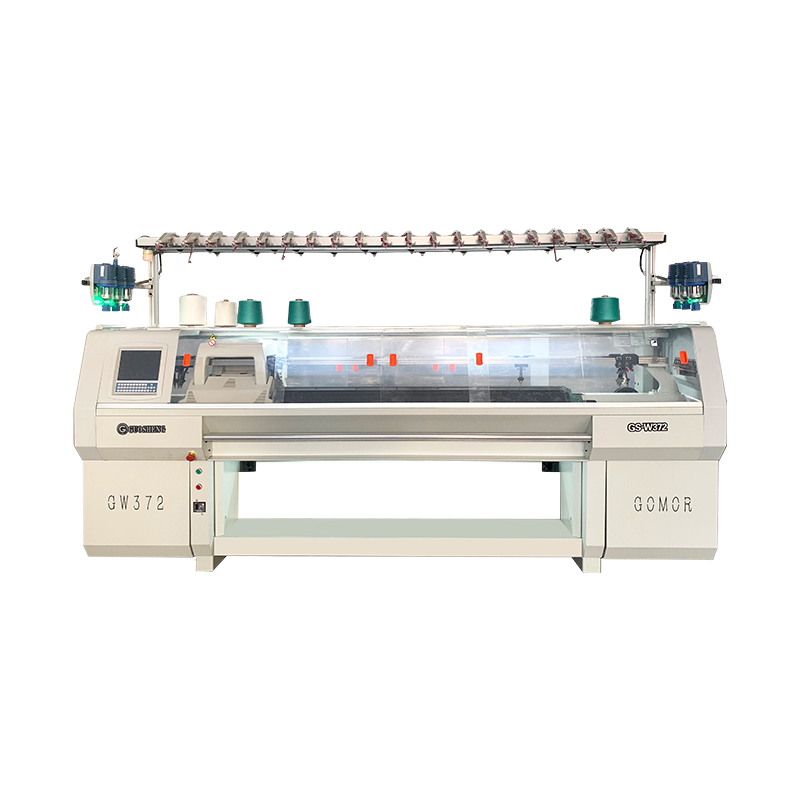
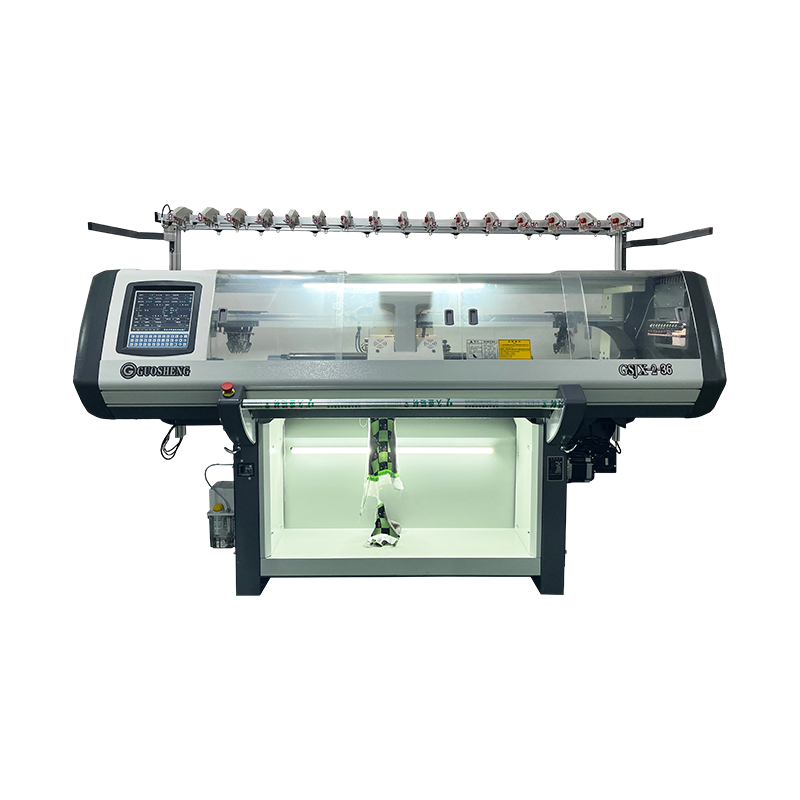
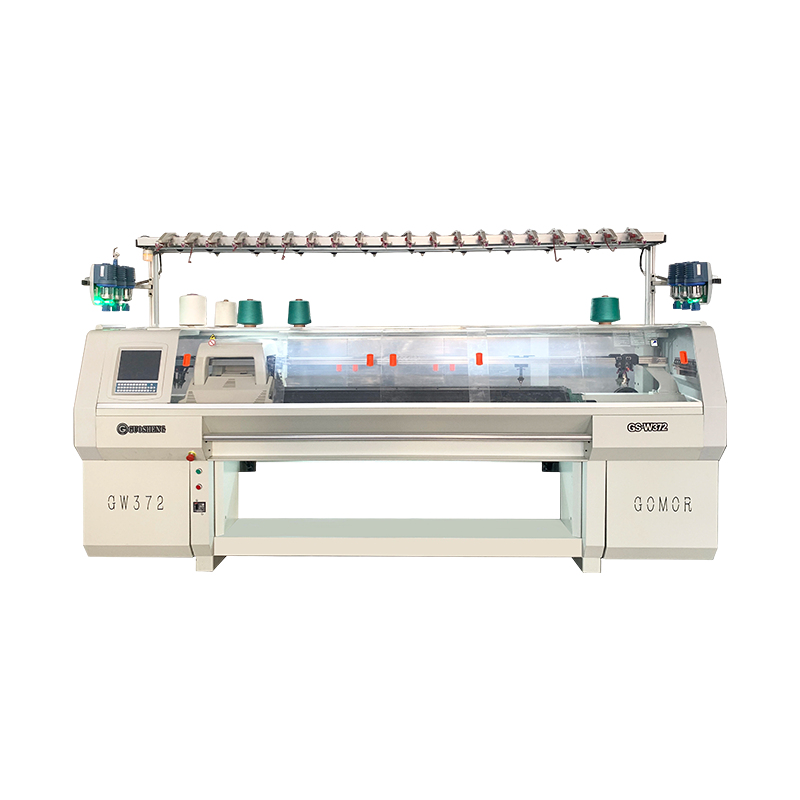
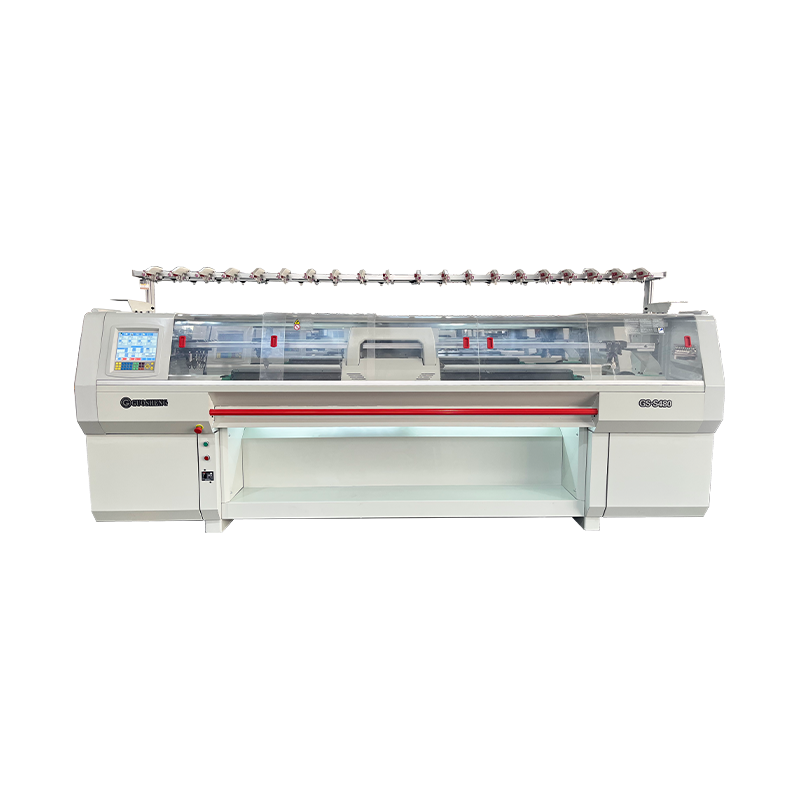
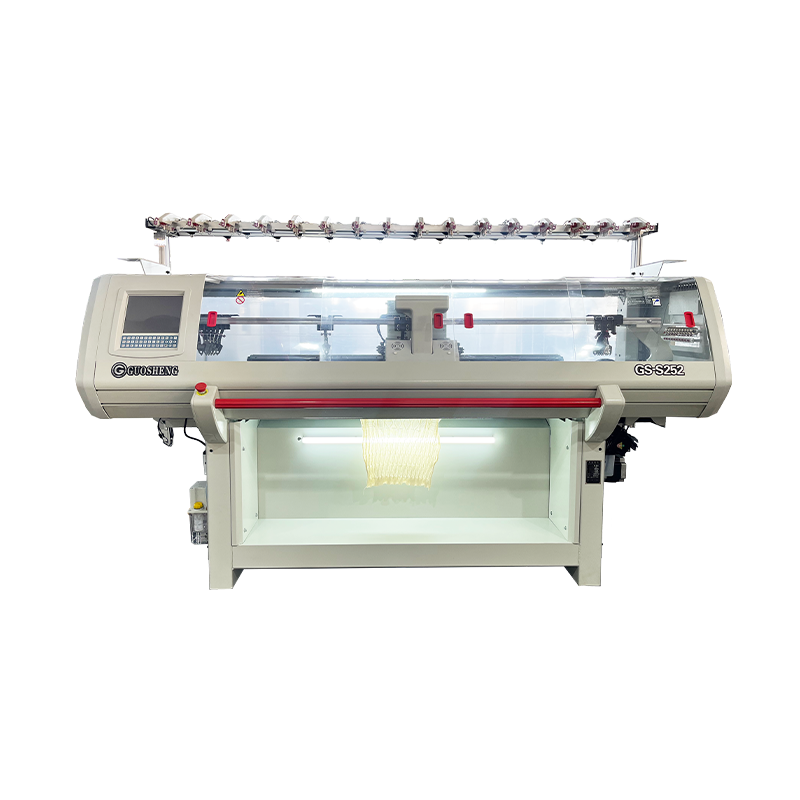
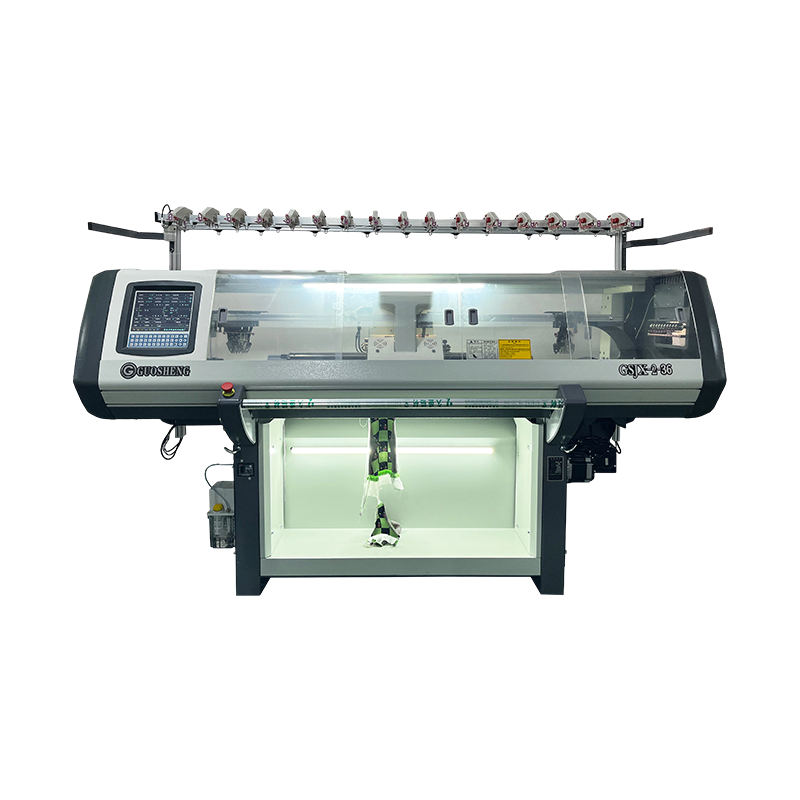
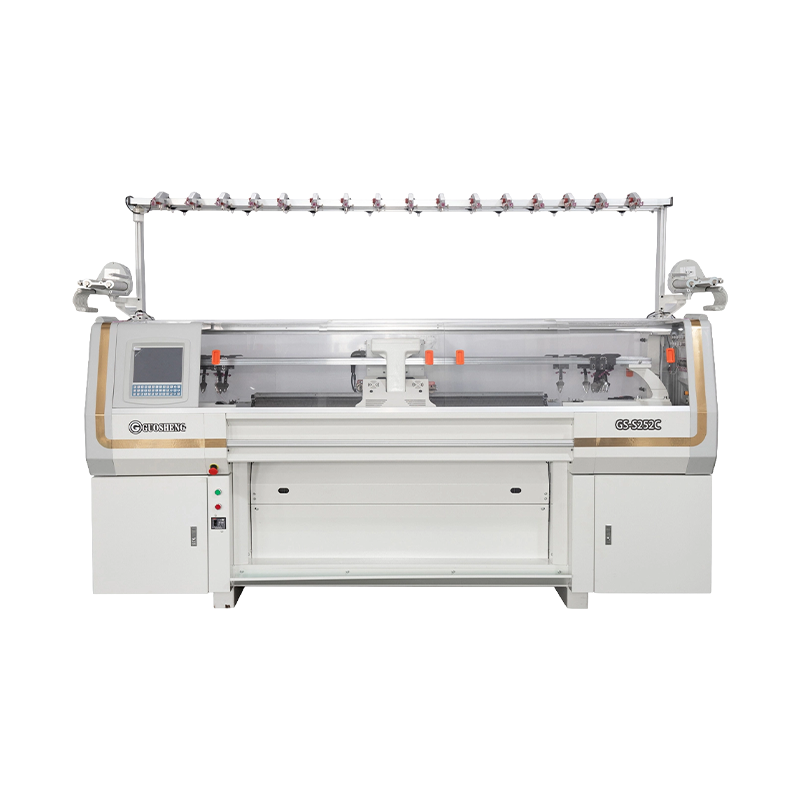
A flat knitting machine is easier to understand when you think less about the catalog and more about the production floor. It uses one or two flat needle beds and a carriage that travels across them. As the carriage passes, needles take yarn, form loops, and build fabric row by row. Modern computerized models add needle selection, programmable yarn feeders, take-down control, and pattern software. That combination lets a mill produce shaped panels, collars, tubes, shoe uppers, and nearly finished garments rather than only flat fabric.
If your reference point is a hand flatbed knitting machine, the basic motion is familiar. Industrial flat knitting is different in duty cycle, width, gauge, and control. These machines run long shifts, handle a wide range of yarns, and need predictable maintenance. At Guosheng Wonderful, we build computerized flat knitting machinery in Changshu, one of China's textile machinery clusters, and work with teams that need mechanical stability without losing pattern flexibility.
What a Flat Knitting Machine Does
Two ideas explain most of the specification sheet: gauge and system count. Gauge is the needle density, usually written as G or E. Coarser gauges such as 2.5G, 3G, and 7G suit thicker yarns and heavier fabrics. Finer gauges such as 12G suit lighter, denser knits. System count refers to the number of yarn feeds and cam systems working in one carriage pass. More systems can raise output, but they also ask more of the yarn, the pattern, and the operator.
Working width matters just as much. A narrow bed can be efficient for trims or shoe uppers, while a wide bed lets you place multiple panels across the needle bed or produce blankets and wide fabric sections. The right answer is rarely the biggest machine; it is the machine that fits the piece, the yarn, and the order profile.
| Specification area | Typical range | Practical effect |
|---|---|---|
| System count | 1 to 4 systems | More systems can raise output, but pattern and yarn demands also rise. |
| Working width | 36 to 100 inches | Wider beds suit blankets, wide panels, and multiple pieces; narrow beds suit trims, shoe uppers, and accessories. |
| Gauge | 2.5G to 12G | Coarser gauges handle thicker yarns; finer gauges create lighter, denser fabrics. |
Main Types and What They Produce
Sweaters and ready-to-wear
Sweater production is the classic application. Economic machines are often a sensible starting point for straightforward panels and stable repeat orders. Full-function models add more systems, more needle selection, and more room for structures such as ribs, cables, intarsia, and shaped knitwear. Width also changes the work: a 52-inch bed can handle many panels and multiple sizes, while a 72-inch bed can improve layout for wider pieces or multi-piece setups.
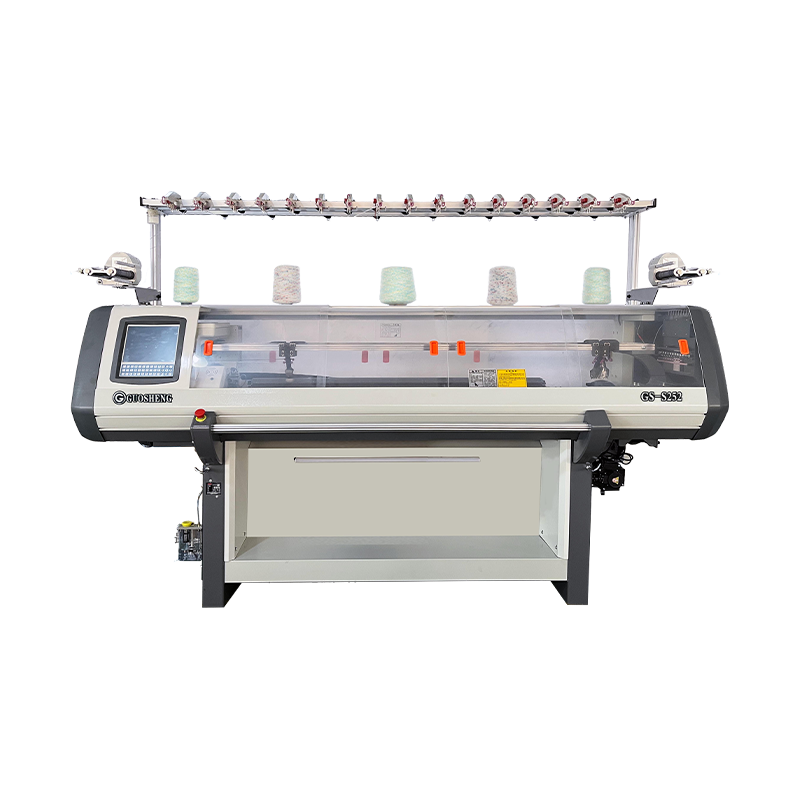
The GSS352 is a 52-inch, three-system example from our full-function S range, suitable for mills that want sweater flexibility without moving to the widest bed.
 GS-S352 52-Inch Three-System Sweater Knitting MachineA 52-inch, three-system full-function S-series machine for sweater flexibility, with broad gauge options and patterning functions for high-volume knitwear production.View Product →
Collars and trims
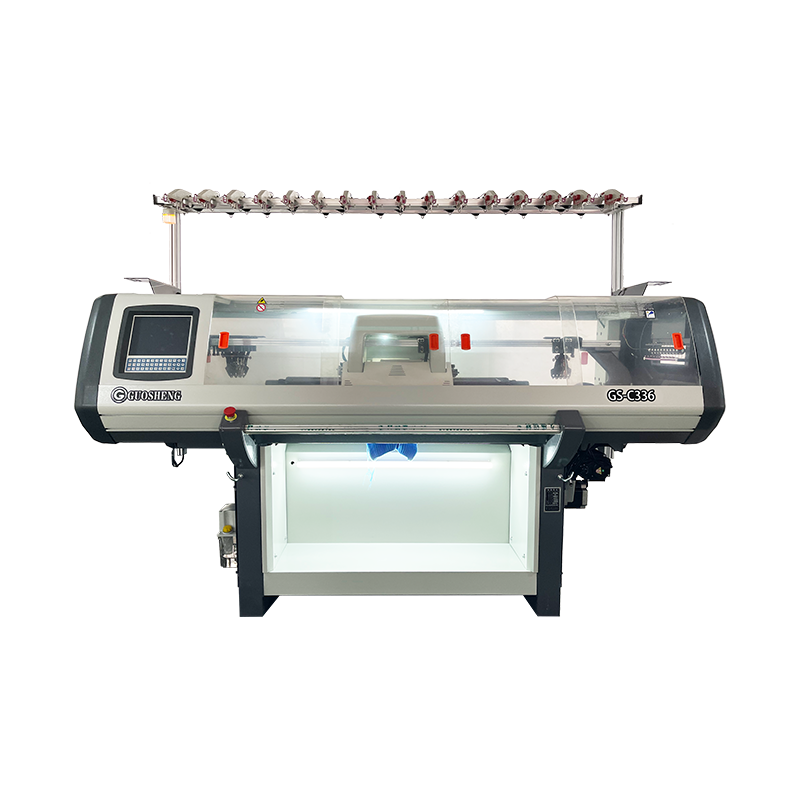
Collars and trims reward a different logic. They are often narrow, repeated, and quality-sensitive. A collar machine may run single or multiple systems, and carriage arrangement affects how efficiently ribs, straight collars, and shaped trims are produced. Width should be judged by how many collars you can lay across the bed, not by the largest panel you might one day run.
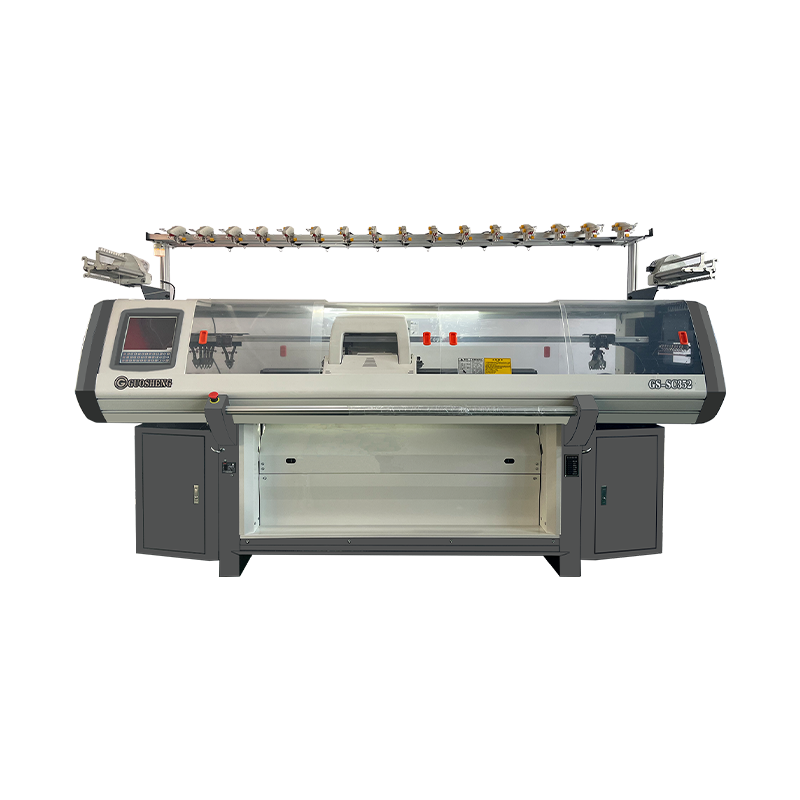
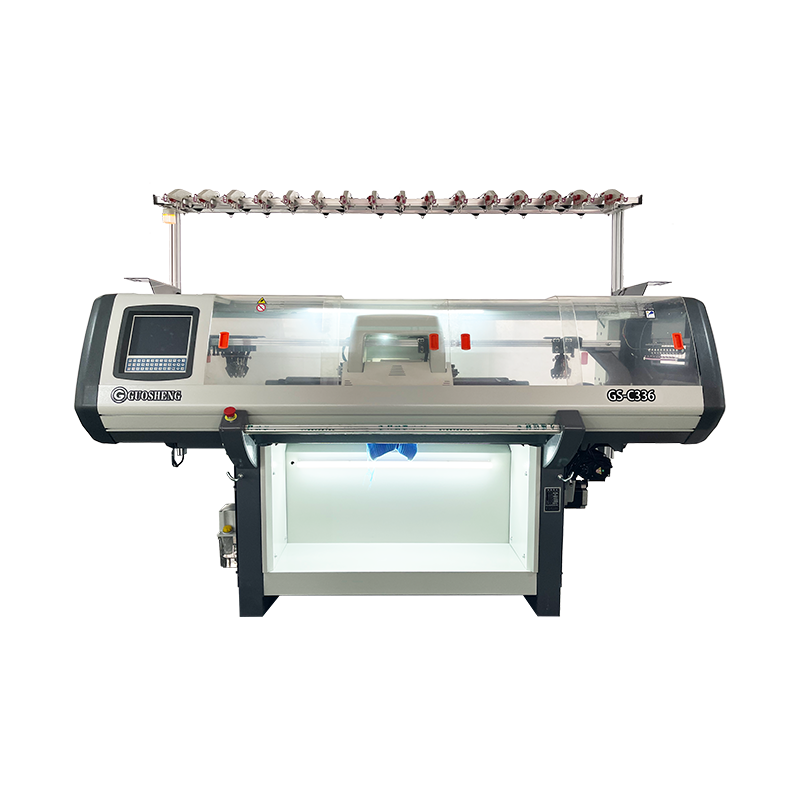
The GSC352 is a 52-inch, three-system example from our full-function C range for producers who need repeatable collar quality.
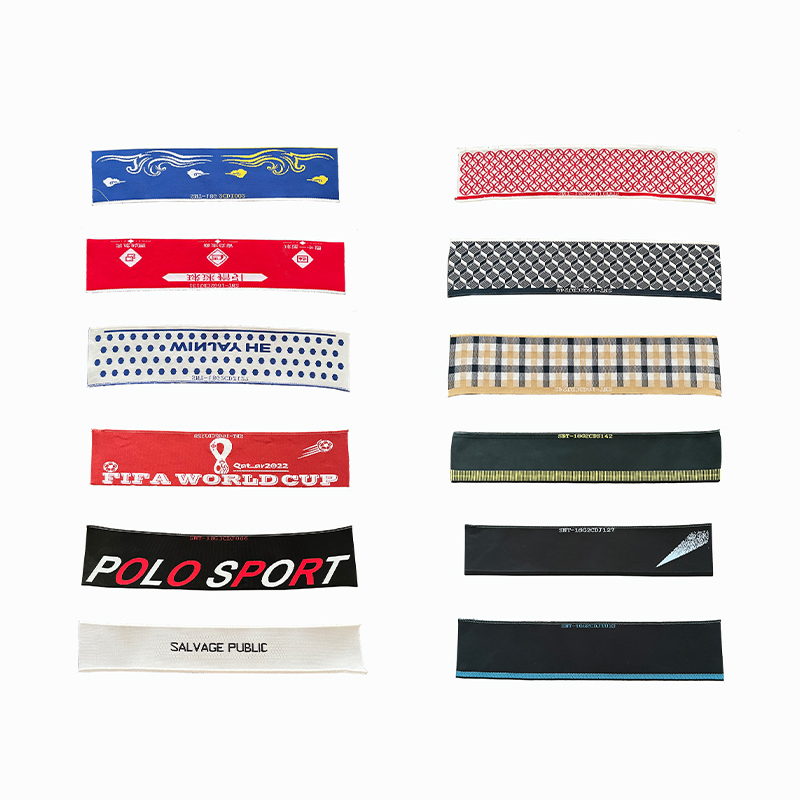 GS-C352 52-Inch Three-System Collar Knitting MachineA full-function C-series collar machine for repeatable trim quality, offering three-color jacquard and versatile patterning in a 52-inch three-system format.View Product →
Shoe uppers
Shoe uppers bring another set of priorities: abrasion, stretch recovery, and stable placement of openings and reinforcements. Three-system shoe upper machines in 36-inch, 52-inch, and 72-inch widths let producers match the bed to upper size and nesting. A 36-inch model is often a practical fit for focused upper production; wider beds help when larger uppers or more pieces per pass make sense.
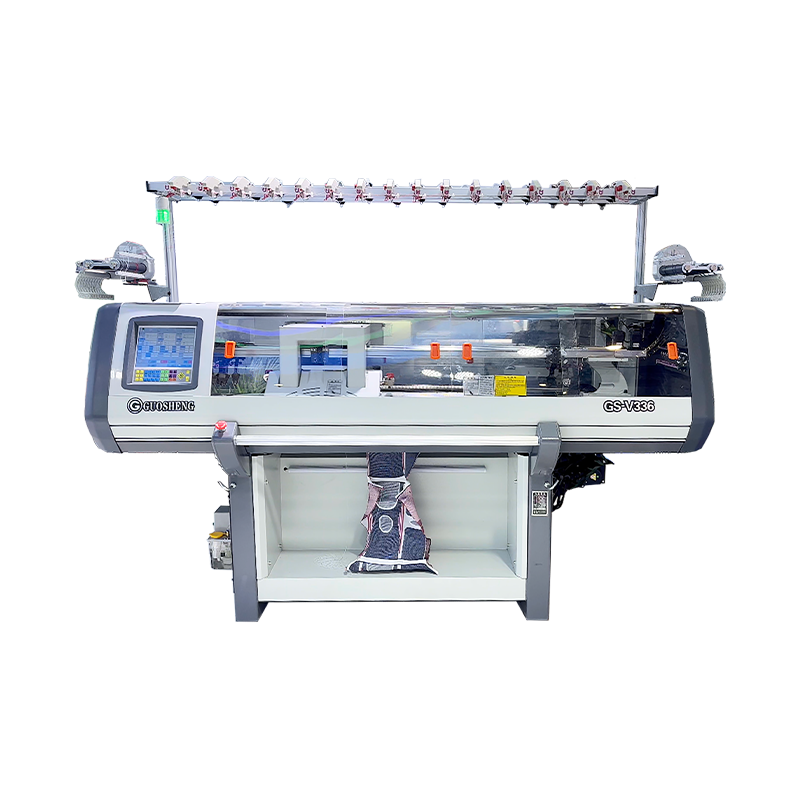
The GSV336 is a 36-inch, three-system example from our full-function V range for focused shoe upper work.
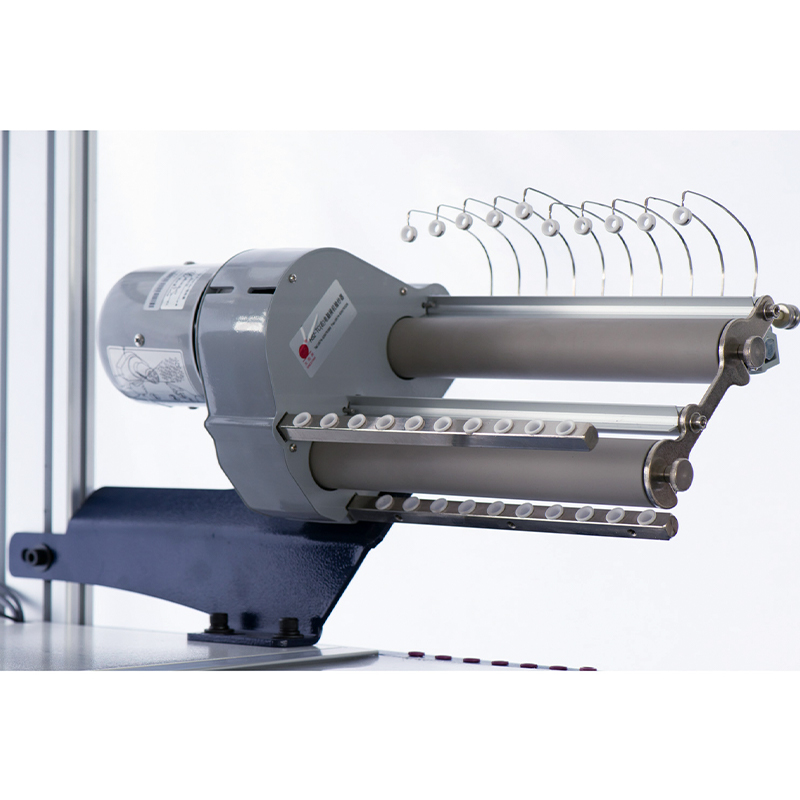 GS-V336 36-Inch Three-System Shoe Upper Knitting MachineA full-function V-series machine for focused 3D shoe upper production, with dynamic density control and a patented high-position take-up system in 36-inch width.View Product →
Blankets, accessories, and technical fabrics
Blankets, accessories, and technical fabrics show how broad the flat knitting platform can be. Blanket machines often use wide beds and coarser gauges; an 80-inch or 100-inch double-system machine with 2.5G or similar gauge can handle heavier yarns and larger fabric widths. Gloves and hats are commonly produced on 36-inch machines, knee pads on three-system beds, and metal mesh on a 100-inch, 3G double-system platform. Each product changes the balance of width, system count, and gauge.
How to Match a Flat Knitting Machine to Your Product
A useful selection process starts with the finished piece and works backward. The machine should follow the product, not the other way around.
- Define the piece: finished dimensions, shaping, seams, stretch, hand feel, and acceptable tolerances. A panel that looks simple on paper can still demand careful needle selection and take-down control.
- Match yarn and gauge: ask for sample swatches at the target gauge, then check stitch definition, shrinkage, and recovery after finishing. The same yarn can behave differently on a 3G and a 12G bed.
- Choose working width by layout: calculate the widest piece and the best nesting pattern. If you run trims, small uppers, or multiple panels, a narrower bed may be more efficient than a wide one.
- Set system count by output and complexity: fewer systems can be simpler to manage; more systems can raise throughput but may narrow the window for difficult yarns or complex structures.
- Check programming and support: ask how patterns are prepared, how recipes are stored, and how quickly your team can change styles. Training matters as much as the control panel.
- Plan installation and service: confirm power, air, floor space, yarn path, and who will commission the machine. Spare parts and remote help should be part of the purchase conversation.
You can review our flat knitting machine range to see how widths and systems are grouped by application.
Support, Installation, and Maintenance
Flat knitting machines are durable, but they are not maintenance-free. Needles, sinkers, yarn feeders, carriage tracks, belts, and sensors all affect stitch quality. A simple preventive routine usually pays for itself: inspect needles and latches, clean lint from the needle bed and feeders, check oil or lubrication points, verify belt tension, and back up programs before making changes. Keep the machine environment stable; dust, humidity, and temperature swings can show up in tension and fabric quality.
Installation is also part of the production result. The machine needs the right foundation, power, air supply, and yarn path. Operators and mechanics should be trained on safe start-up, pattern changes, fault finding, and daily checks. Our team supports installation, commissioning, and after-sales service, and we would rather solve a question early than have it become a downtime event. If you are planning a new line or replacing an older bed, talk to our team about the product first; the machine specification will follow more clearly.
A Practical Checklist Before You Compare Quotations
- Sample the actual yarn and target structure on the proposed gauge.
- Confirm the widest panel and the best piece layout across the bed.
- Ask for a realistic output estimate that includes changes and maintenance.
- Check the pattern workflow, training, and local service response.
- Review spare parts, warranty terms, and installation responsibilities.
- Visit a running machine if possible, or ask for a video of a comparable product.
The best flat knitting machine is not the one with the longest feature list. It is the one that makes your product consistently, with a width and system count your team can use every day. That is the standard we build toward.

Ready to Begin?
Product Categories
- Sweater Knitting Machine (Economic SE)
- Sweater Knitting Machine (Full Function S)
- Collar Knitting Machine (Economic CE)(Fabric)
- Collar Knitting Machine (Full-Function C)
- Blanket Knitting Machine(Fabric)
- Shoe Upper Knitting Machine
- Ready To Wear Sweater Knitting Machine
- Ready To Wear Glove Knitting Machine
- Ready To Wear Hat Knitting Machine
- Knee Pad Knitting Machine
- Metal Mesh Knitting Machine
Contact Information
-
 Email: gs@guoshengchina.cn
-
 Phone: +86-0512-52690511
-
 Address: No. 18, Hupu Pujiang Road, Bixi New District, Changshu City, Jiangsu Province, China
QR Code
