


 English
  Español
  русский
  عربى
عربى  中文简体
中文简体 

Industry News
Collar Knitting Machine Guide: Types, Selection Criteria
Date:Sep 14, 2026
Content
Ribbed collars look like a minor detail on a polo shirt or a sweater, but in a factory turning out several thousand garments a day, that detail decides both fabric cost and perceived quality. Cut-and-sew collars waste material, curl at the edges, and rarely match the stretch of a knitted body panel. A collar knitting machine solves the problem at the source by knitting each collar to its finished shape, ready to be attached.
If your production line uses knitted trims at steady volume, a dedicated computerized collar knitting machine typically lowers unit cost within its first year of operation; if you only need small, occasional batches, outsourcing trims still makes sense. Everything below—how these machines work, which model tier suits which factory, and what to verify before signing a purchase order—follows from that starting point.
What a Collar Knitting Machine Actually Does
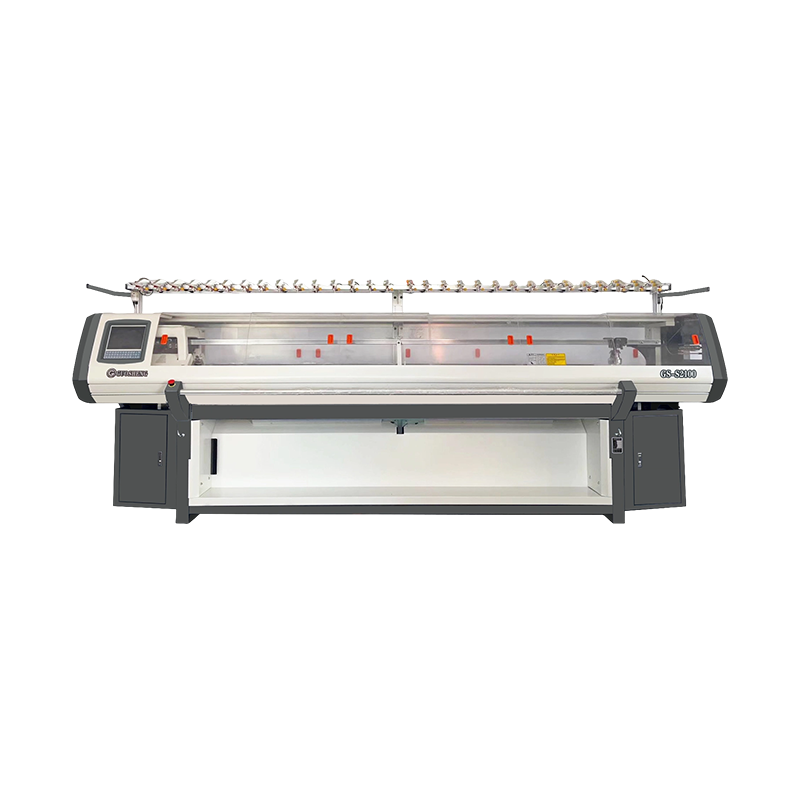
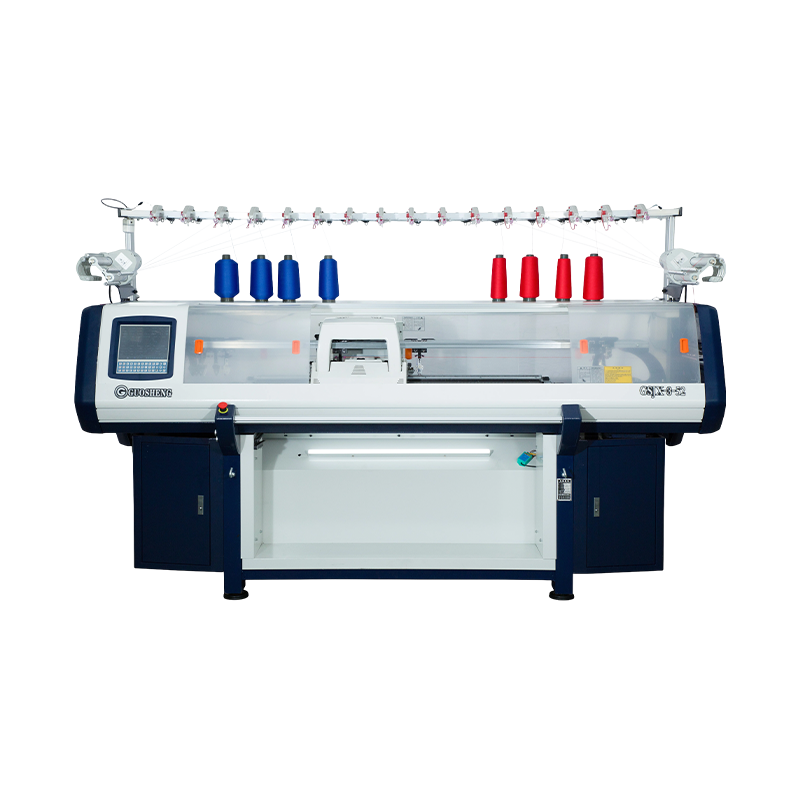
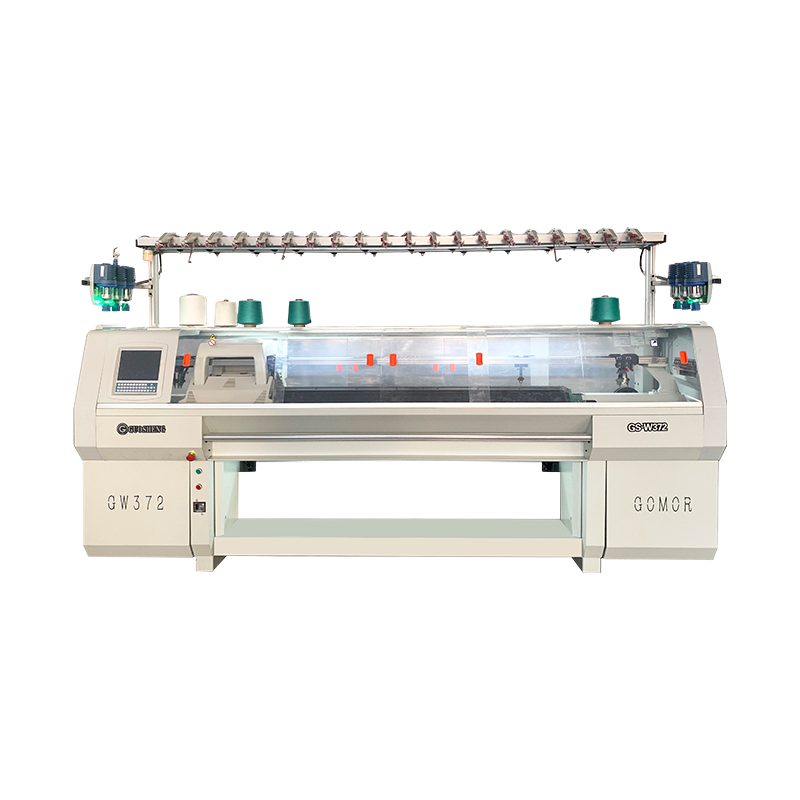
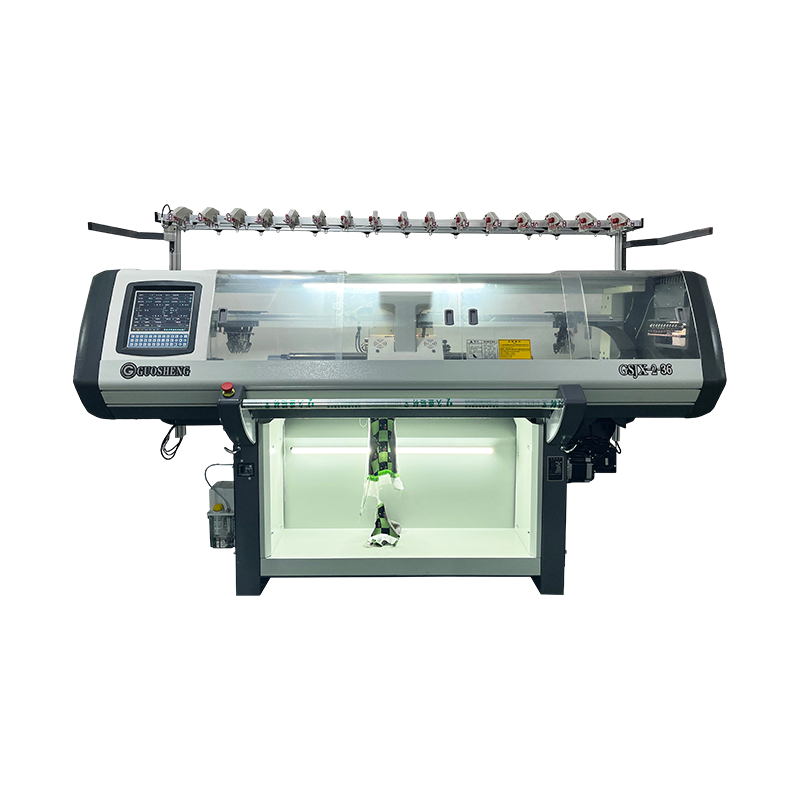
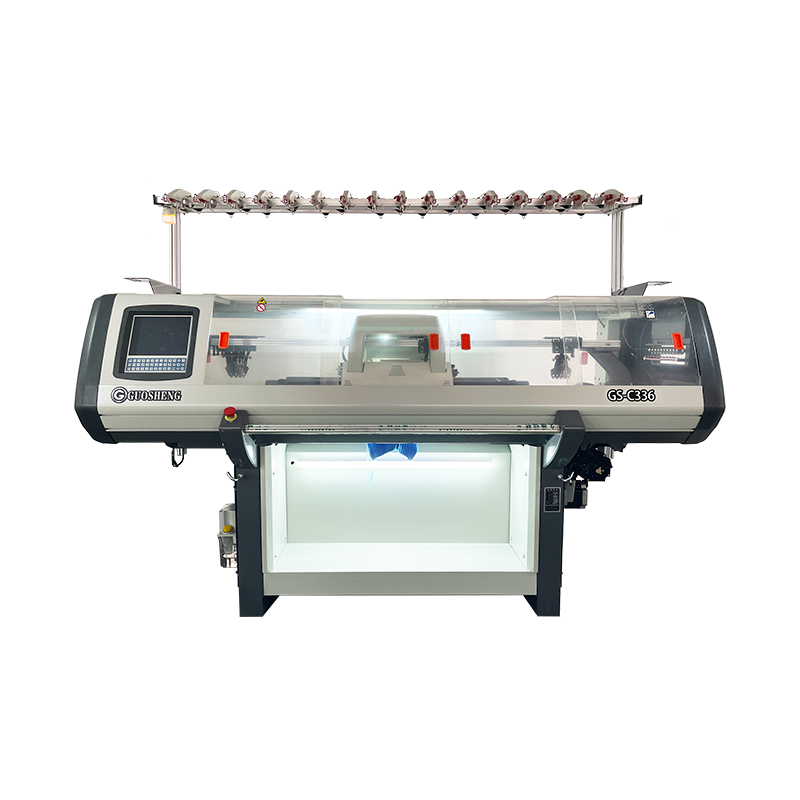
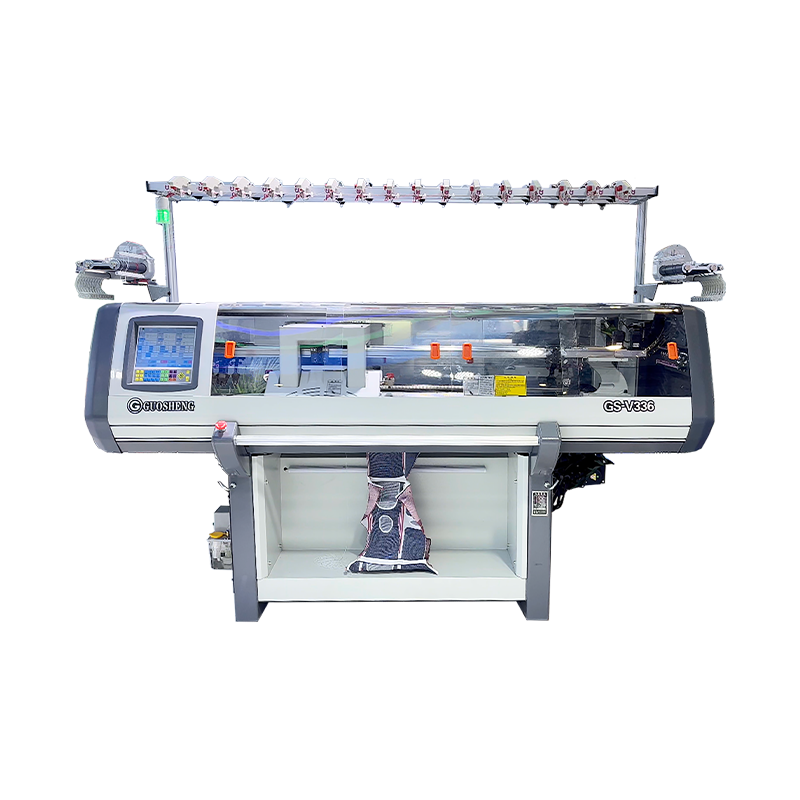
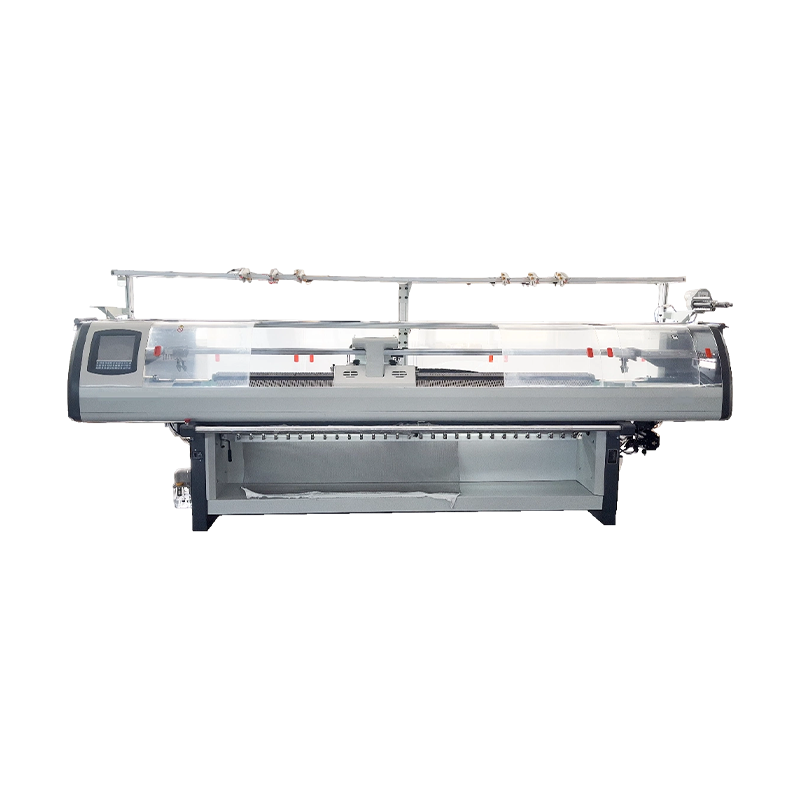
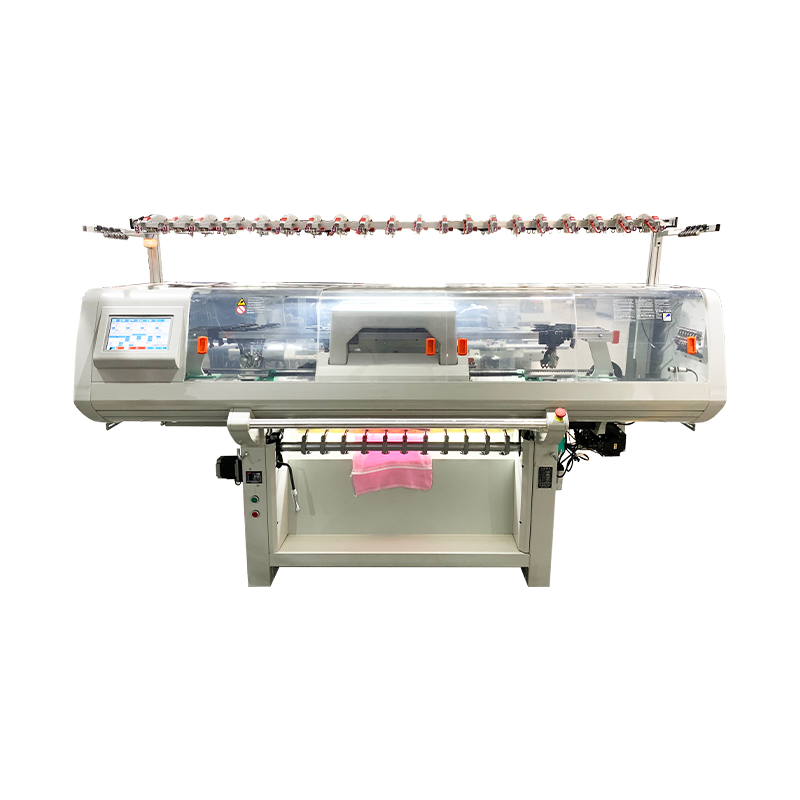
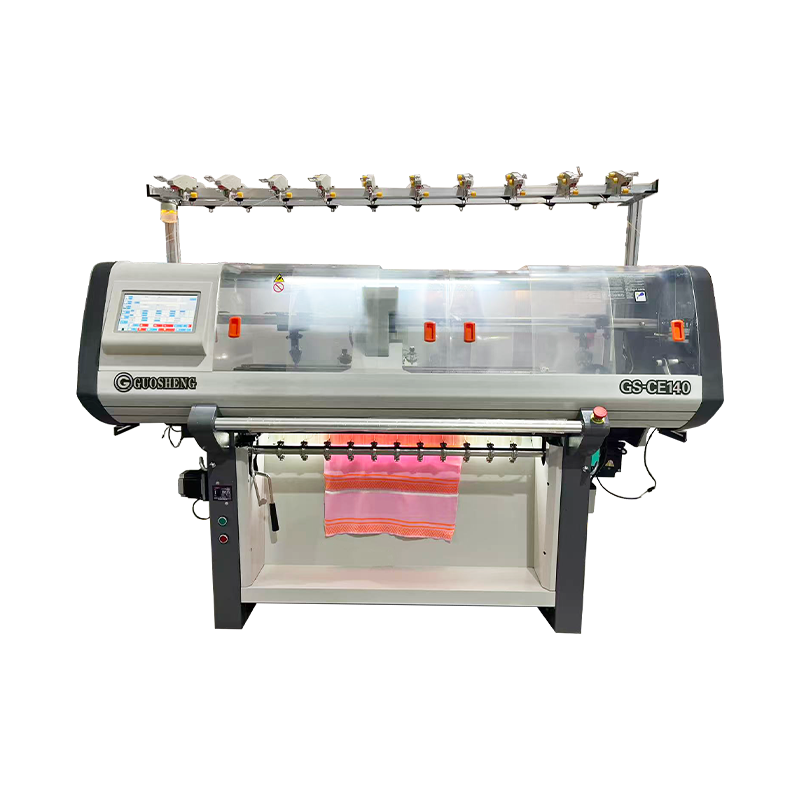
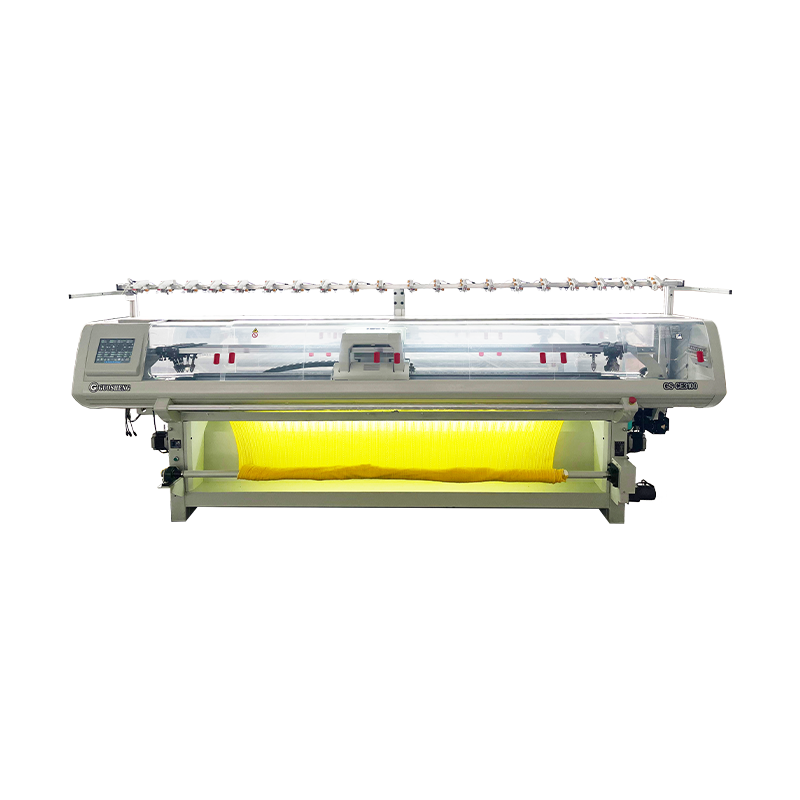
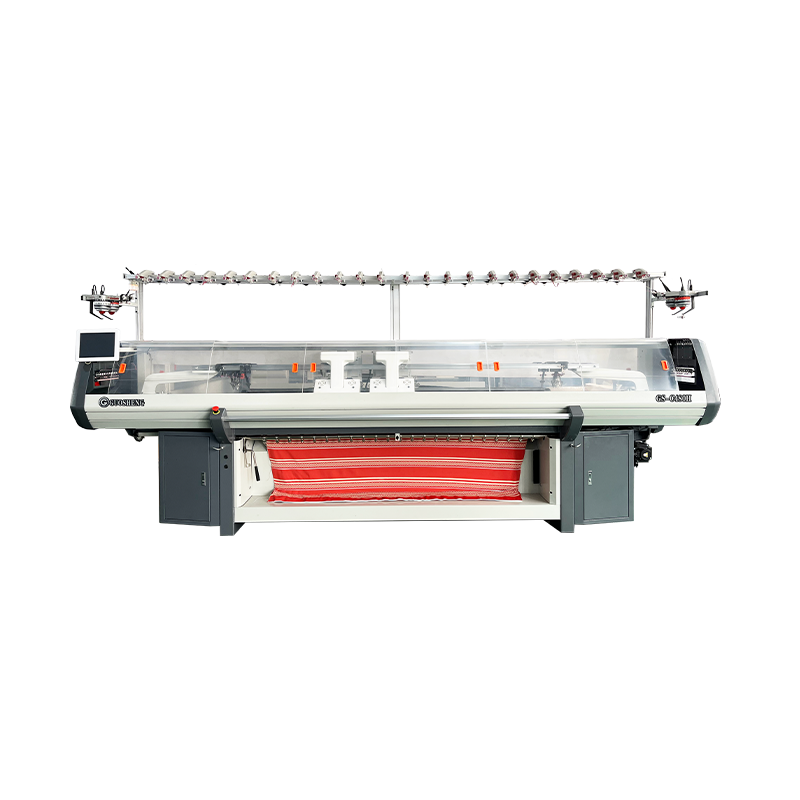
A collar knitting machine is a flat bed knitting machine configured to produce knitted trims rather than full garments. Two needle beds face each other, forming rib structures such as 1x1 and 2x2 that give collars their characteristic elasticity and recovery. Because the trim is knitted to shape—including shaped ends—there is virtually no cutting waste and no edge finishing to budget for.
Machines in this category are now almost universally computerized. The operator selects a stored pattern, sets width and density, and the machine adjusts stitch formation electronically. A single machine can move between collar styles far faster than an older mechanical setup could, which matters when a factory serves multiple garment clients with different trim specifications.
Depending on the pattern program, the same machine class also produces:
- Cuffs and sleeve bands
- Hem and bottom bands
- Plackets and front bands for polo shirts
- Waistbands for knit pants and skirts
- Other narrow rib trims used across knitwear programs
Where Knitted Collars Pay Off
Knitted collars dominate anywhere the garment body itself is a knit: polo shirts, sweaters, cardigans, knit dresses, and uniforms. They are less common on woven shirting, where fused woven collars remain the standard. Before investing, map trim demand across your product mix:
- Polo shirts: collars and plackets, usually in finer gauges
- Sweaters and cardigans: collars, cuffs and hem bands knitted in matching yarn
- School and corporate uniforms: durable rib collars that survive repeated washing
- Sportswear: elastane-blend trims that hold their shape under stretch
The common thread is volume and consistency. The higher your daily trim count, the faster a dedicated machine amortizes its price—and the more visible the quality difference becomes at the finished-garment stage.
Economic vs. Full-Function: Picking the Right Tier
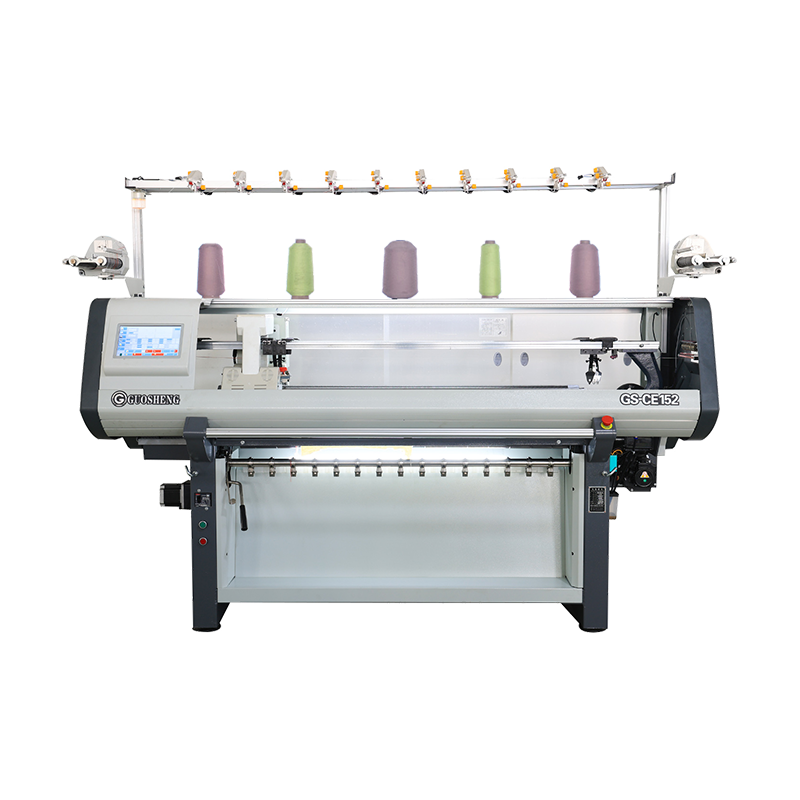
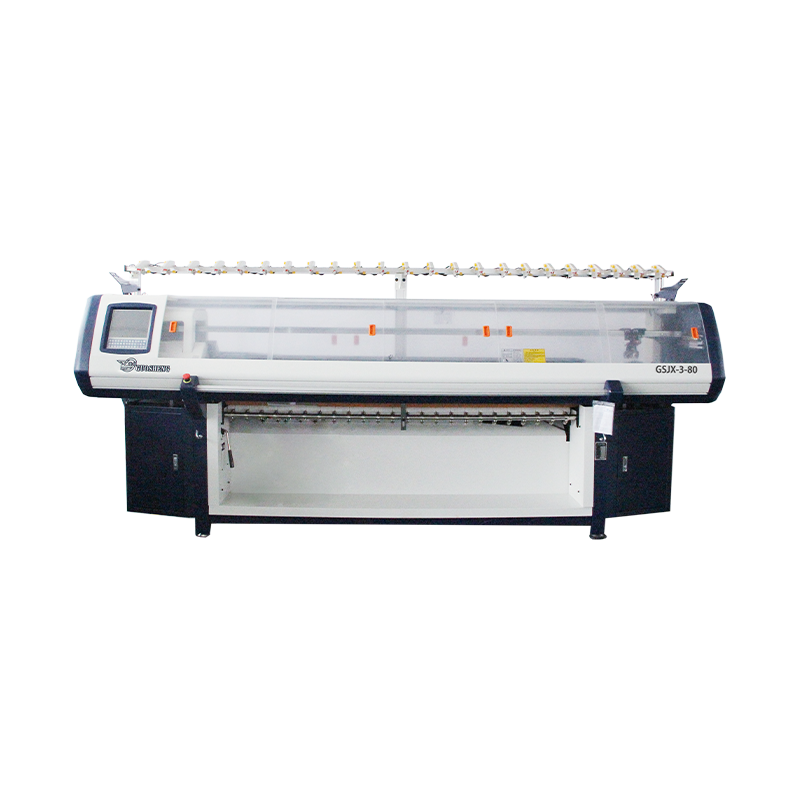
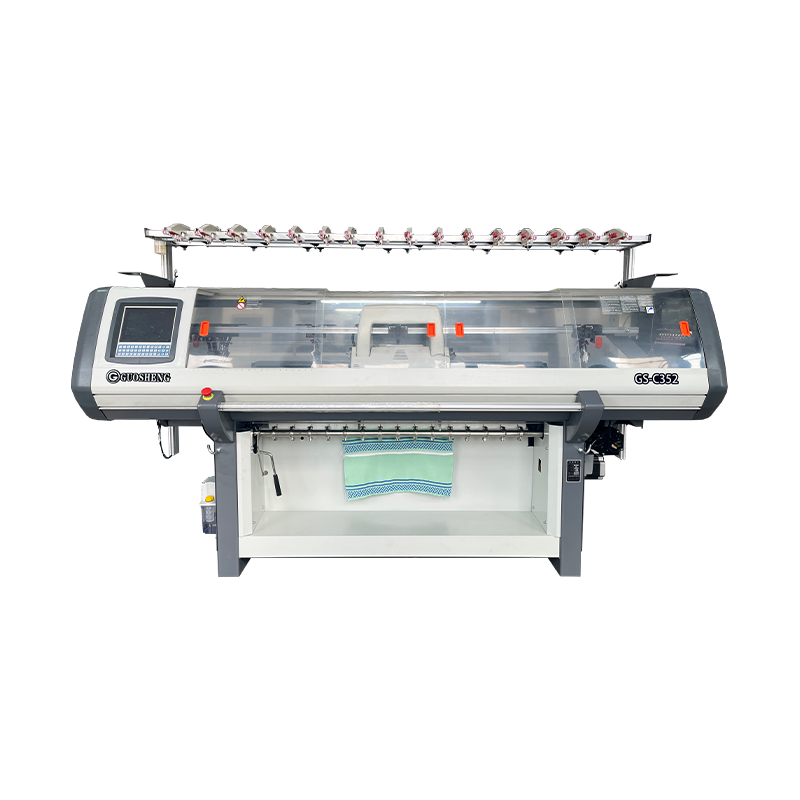
Most established manufacturers split their collar machine lines into two tiers, and Guosheng Wonderful follows the same logic with its Collar Knitting Machine (Economic CE) (Fabric) and Collar Knitting Machine (Full-Function C). The pairing is deliberate: an economic model covers standard rib trims at stable volumes, while a full-function model targets factories juggling many styles, finer structures, and frequent changeovers.
Use the table below as a screening guide before requesting detailed quotations:
| Factor | Economic tier (CE class) | Full-function tier (C class) |
|---|---|---|
| Typical workload | One or two standard collar styles at stable volume | Many styles, frequent changeovers, mixed structures |
| Pattern capability | Basic rib patterns with limited storage | Extended pattern memory with more structure options |
| Style changeover | Slower, more manual adjustment | Faster, electronically assisted |
| Entry cost | Lower | Higher |
| Best fit | Focused trim workshops, standard polo and sweater trims | Multi-client factories with varied trim programs |
Neither tier is inherently better. A workshop producing one collar style for a single polo-shirt client often pays for features it never triggers, while a multi-client factory running an economic machine pays instead in changeover time and lost scheduling flexibility. Match the tier to the shape of your order book, not to the longest specification list.
Specifications to Check Before You Buy
Gauge
Gauge—the number of needles per inch—determines how fine the trim can be knitted. Coarser settings in the 7–10 gauge range suit chunky sweater trims; around 12–14 gauge covers standard polo collars; finer settings handle lightweight fashion knits. Match the gauge to your most common body fabric, and confirm with the supplier whether the gauge is fixed or convertible.
Bed width and pieces per pass
Collars are narrow relative to a garment body, so bed width translates directly into how many collars you knit side by side per cycle. Ask suppliers to quote output in finished collars per hour at your actual collar lengths, not in abstract machine speeds measured under ideal conditions.
Knitting systems
Each knitting system completes a course per carriage pass, so more systems raise throughput on wider setups. For trim production, the practical question is whether an added system shortens cycle time enough on your typical widths to justify its higher price and maintenance load.
Control and pattern handling
A modern controller should store hundreds of patterns, accept files via USB or network, and let the operator adjust density and dimensions numerically without re-entering a program. Test this during a live demonstration using one of your own collar patterns rather than the supplier's polished demo file.
Yarn range and elastic feeding
Confirm the machine handles the yarns you actually run—cotton, poly-cotton blends, acrylic, wool blends—and whether positive elastic yarn feeders are included. Rib collars depend on elastane feeding for recovery, and inconsistent elastic tension is one of the most common causes of rejects in trim production.
Five Mistakes Buyers Keep Making
- Buying on gauge alone. A 14-gauge machine that cannot hold consistent tension on your cotton blend will still produce rejects, whatever the brochure promises.
- Ignoring changeover time. Twenty minutes of adjustment between styles erases the theoretical output advantage on short and medium runs.
- Skipping spare-parts terms. Needles, sinkers and drive belts are consumables; without a committed parts supply, every failure becomes your downtime.
- Overbuying capability. Paying for functions your trim program never uses inflates both the purchase price and the operator training burden.
- Judging output from demo runs. Supplier demonstrations use ideal yarn and experienced operators; pilot the machine with your own yarn and staff before committing.
Every one of these mistakes is avoidable with a structured trial and a written service agreement, and every one of them shows up later as production loss rather than as a line item on the original invoice.
Installation, Support and Ongoing Cost
A collar knitting machine is a production asset, not a commodity purchase, so the supplier's service structure deserves as much attention as the specification sheet. Installation and commissioning determine whether the machine reaches rated output at all; operator training determines whether it stays there through staff turnover.
Guosheng Wonderful, a computerized knitting machine manufacturer based in Changshu, Jiangsu—one of China's key textile machinery manufacturing clusters—structures its offer around installation and commissioning together with packaging and after-sales service. That is the baseline any serious supplier should meet. When comparing quotations, put the same questions to every vendor:
- Is on-site installation and commissioning included, and for how long?
- What operator training is provided, and is re-training available later?
- Which spare parts are stocked locally, and what is the dispatch time?
- Is remote diagnostics support available for controller and drive faults?
Clear answers to these four questions usually separate suppliers you can build a production plan around from suppliers you will spend the next year chasing.
The Bottom Line
A collar knitting machine earns its place when knitted trims are a recurring, quality-sensitive part of your output. Start by matching gauge and bed width to your dominant products, choose between an economic and a full-function tier based on how often your trim program actually changes, and weigh the supplier's service terms as heavily as the machine's price. Factories that follow that sequence generally buy once and run the machine for years; factories that skip it tend to buy twice.

Ready to Begin?
Product Categories
- Sweater Knitting Machine (Economic SE)
- Sweater Knitting Machine (Full Function S)
- Collar Knitting Machine (Economic CE)(Fabric)
- Collar Knitting Machine (Full-Function C)
- Blanket Knitting Machine(Fabric)
- Shoe Upper Knitting Machine
- Ready To Wear Sweater Knitting Machine
- Ready To Wear Glove Knitting Machine
- Ready To Wear Hat Knitting Machine
- Knee Pad Knitting Machine
- Metal Mesh Knitting Machine
Contact Information
-
 Email: gs@guoshengchina.cn
-
 Phone: +86-0512-52690511
-
 Address: No. 18, Hupu Pujiang Road, Bixi New District, Changshu City, Jiangsu Province, China
QR Code
