


 English
 Español
 русский
 عربى
 中文简体
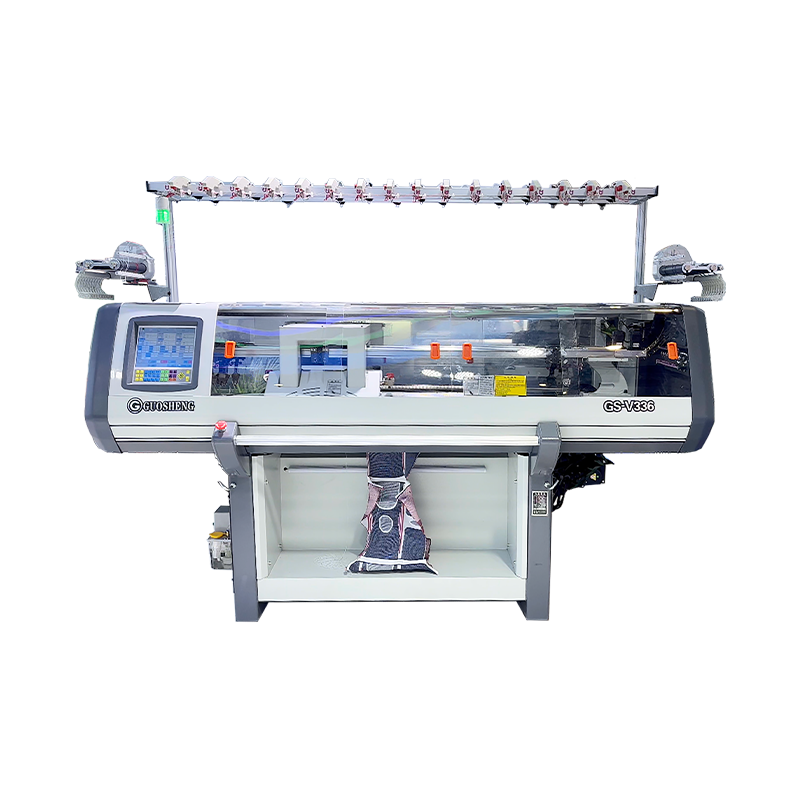
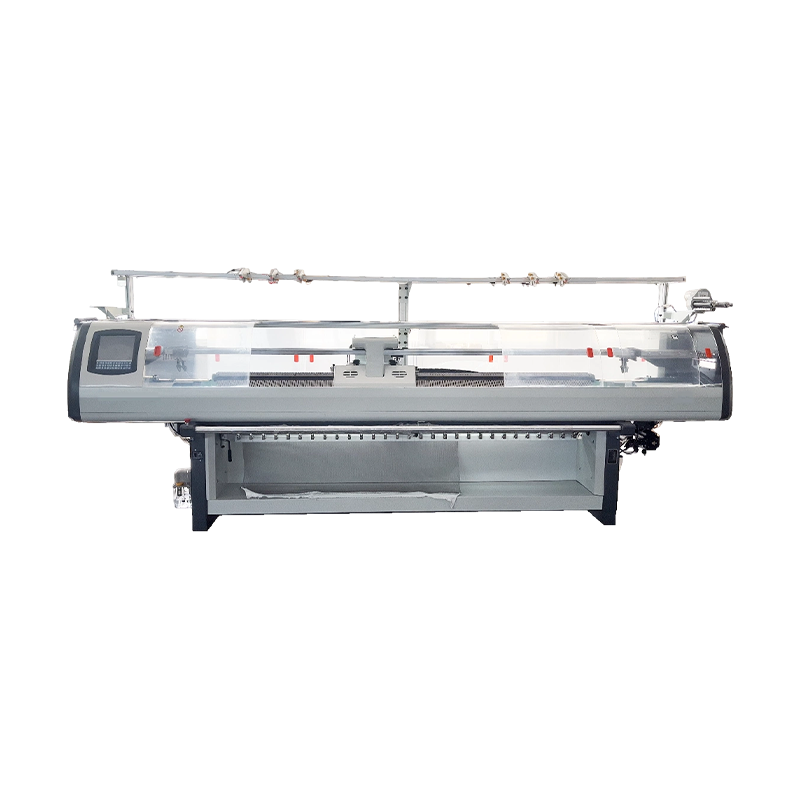

Industry News
m.f.g. Meaning: What Manufacturing Really Means for Knitting Machine Buyers
Date:Nov 17, 2026
Content
Few abbreviations in industrial paperwork are as short and as loaded as m.f.g. It appears in company names, on invoices, in the corner of a quotation sheet, and in the fine print of a packing list. If you have ever opened a price offer from a knitting machine supplier and seen a line reading "Mfg.: Changshu" or "Mfg. lead time: 45 days," you have already met it. The letters are simple, but what they stand for decides whether your next production line arrives on schedule, performs as promised, and can still be serviced five years from now.
This short guide unpacks the abbreviation, then uses it as a practical lens for anyone sourcing flat knitting equipment.
What Does m.f.g. Stand For?
Simply put, m.f.g. is an abbreviation of "manufacturing." Standard dictionary entries list it as mfg., a written short form used especially in the names of companies — the classic example being corporate titles that end in "Mfg. Co." Both the dotted version (m.f.g.) and the undotted version (mfg.) are widely understood, and the difference is mostly a matter of house style rather than meaning. Older British commercial writing often inserted full stops between the letters, while American usage tends to drop them.
A small family of related forms travels with it:
- mfr. and mfrs. — manufacturer or manufacturers, common in vendor lists and quotations.
- mf'd — manufactured, seen on origin markings and specification sheets.
- m.f.g. date — the production date, not the shipping date, which matters when you are tracking warranty periods.
The important thing to remember is that the abbreviation describes an activity, not a guarantee. A company can print "Mfg." on its letterhead and still be a trading house that buys finished machines and resells them.
Why the Abbreviation Still Appears Everywhere in Trade
In an era of full-sentence emails, three letters survive because paperwork has never had much room. Enterprise systems allocate narrow fields; customs declarations, certificate-of-origin forms, and spare-part labels all need short, unambiguous codes. "m.f.g." fits where "manufacturing" does not.
That abbreviation also does quiet analytical work. When a spec sheet separates "Mfg. location" from "assembly location," or lists "Mfr." alongside "Agent," it is telling you something about the supply chain behind the machine. In the flat knitting sector, where a single machine can represent a significant capital outlay and a decade of service life, that distinction is worth reading carefully. A genuine builder controls needle selection, carriage timing, and yarn feeder design in-house; a reseller negotiates those specifications with someone else.
From Three Letters to a Working Factory Floor
Trade vocabulary around manufacturing is dense, and it helps to keep the common terms straight before you start comparing quotations. The table below covers the abbreviations that show up most often when you are buying knitting equipment.
| Abbreviation | Full form | Where you will meet it |
|---|---|---|
| m.f.g. / mfg. | Manufacturing | Company names, invoices, catalogues |
| mfr. / mfrs. | Manufacturer(s) | Quotations, approved vendor lists |
| mf'd | Manufactured | Origin labels, technical datasheets |
| OEM | Original equipment manufacturer | Contract supply and rebranding talks |
| ODM | Original design manufacturer | Product development discussions |
None of these labels is good or bad on its own. What matters is that you know which one applies to the party you are talking to, because it changes who answers the phone when a needle bed needs replacing in the middle of a seasonal run.
What Manufacturing Looks Like at a Flat Knitting Machine Builder
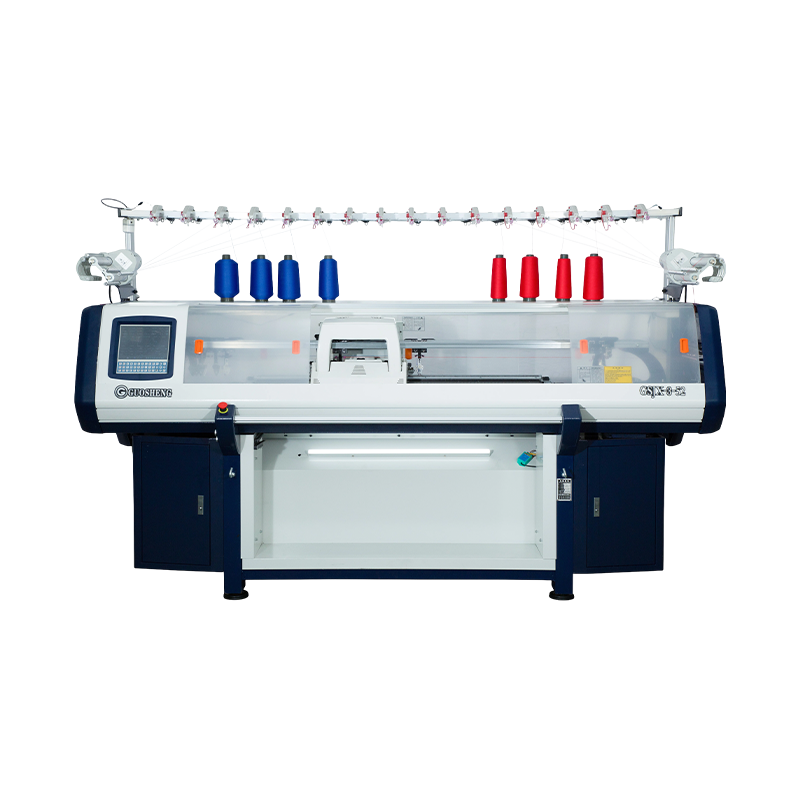
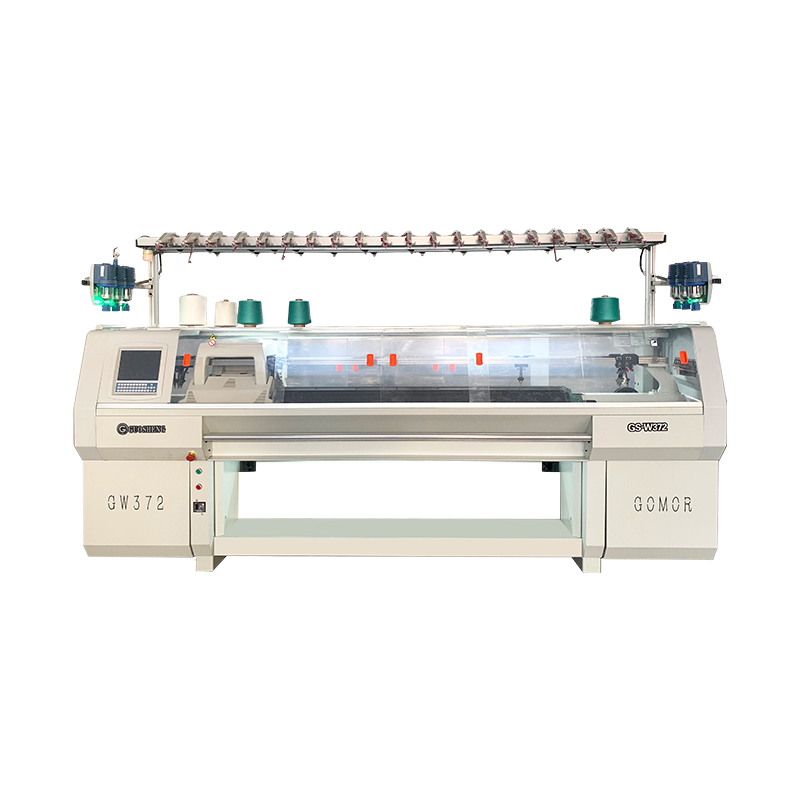
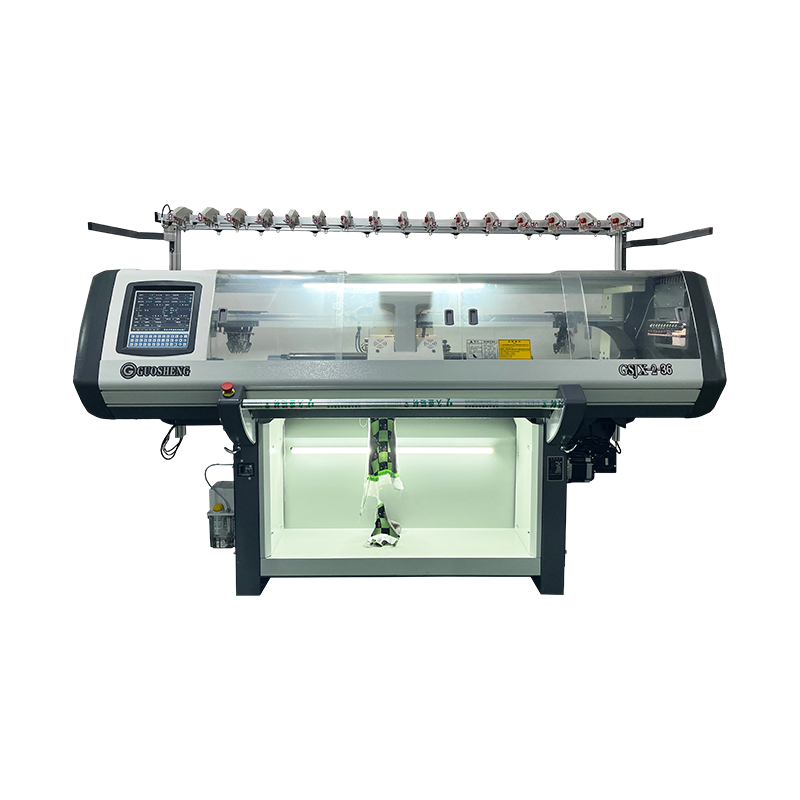
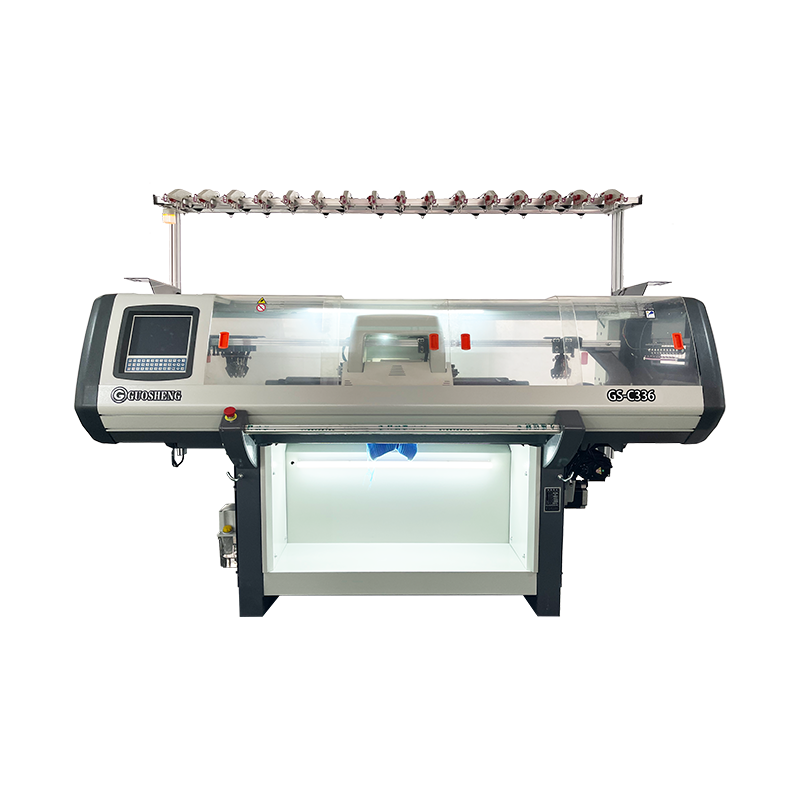
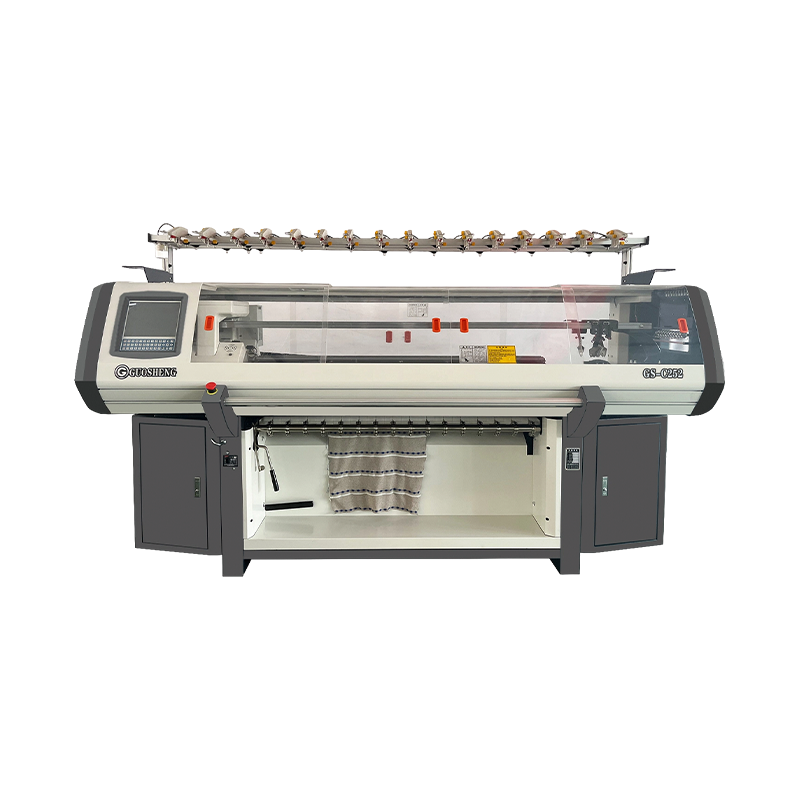
We build computerized flat knitting machines in Changshu, Jiangsu — a city that has grown into one of China's recognised textile machinery clusters. Being inside that ecosystem is not a marketing statement so much as a practical advantage: component suppliers, machining shops, and skilled fitters sit within a short drive of the assembly hall, which shortens the loop between a design change and a machine that reflects it.
Our work sits at the point where mechanical engineering meets intelligent control. Frames, needle beds, and carriages have to be precise; the controller, yarn feeders, and take-down system have to be equally reliable, because a knitting machine is only as good as its weakest subsystem. That is why our catalogue is organised as a matrix rather than a flat list: application category first, then function level, then system count, working width, and gauge.
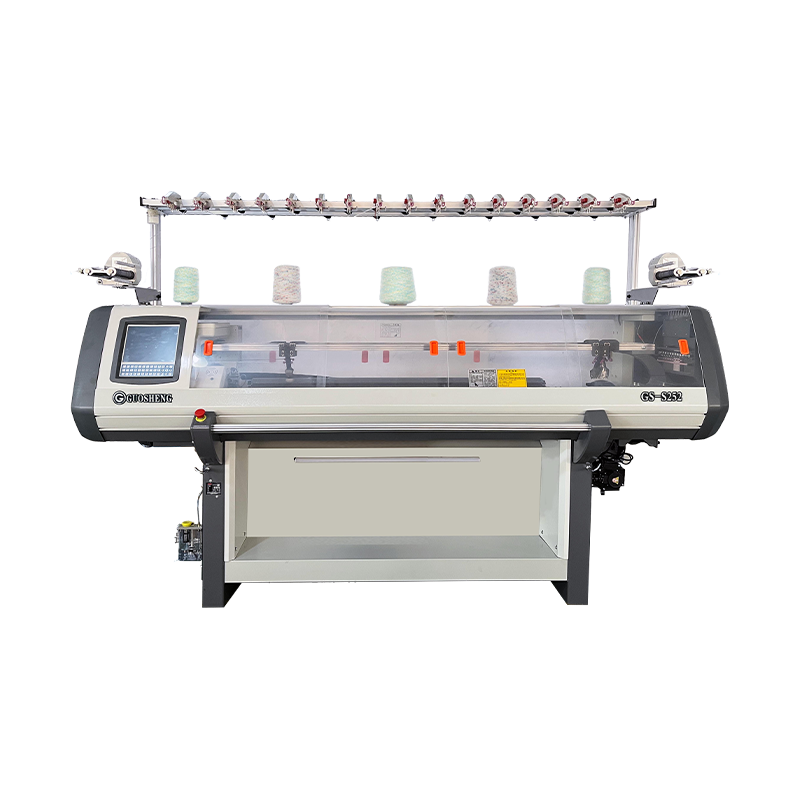
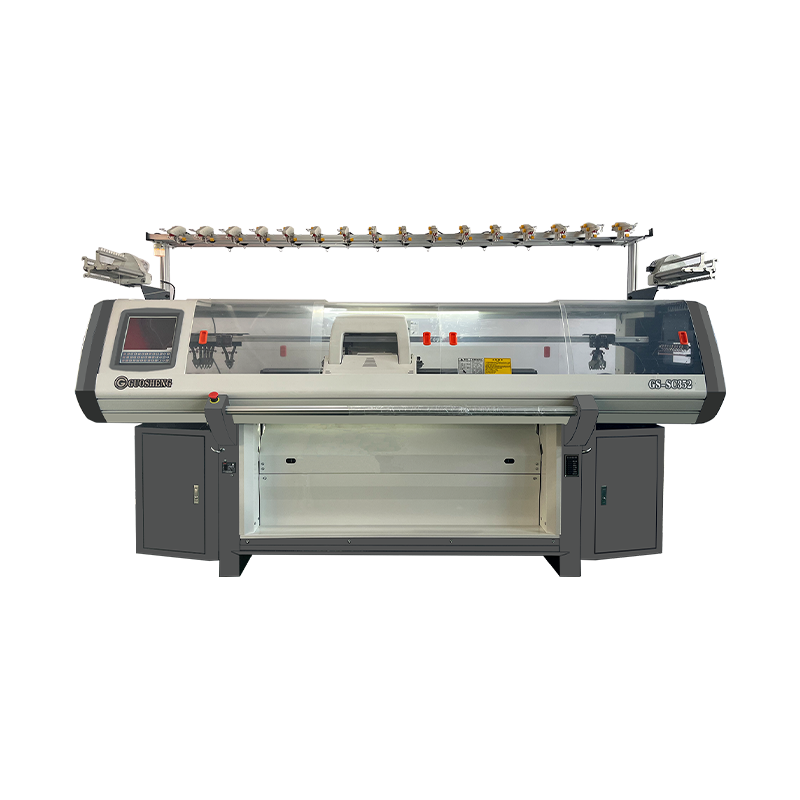 Full-Function S Sweater Knitting Machine SeriesHigh-end computerized flat knitting series with double-, three-, and four-system configurations and 52- or 72-inch widths for complex jacquard sweater production.View Product →
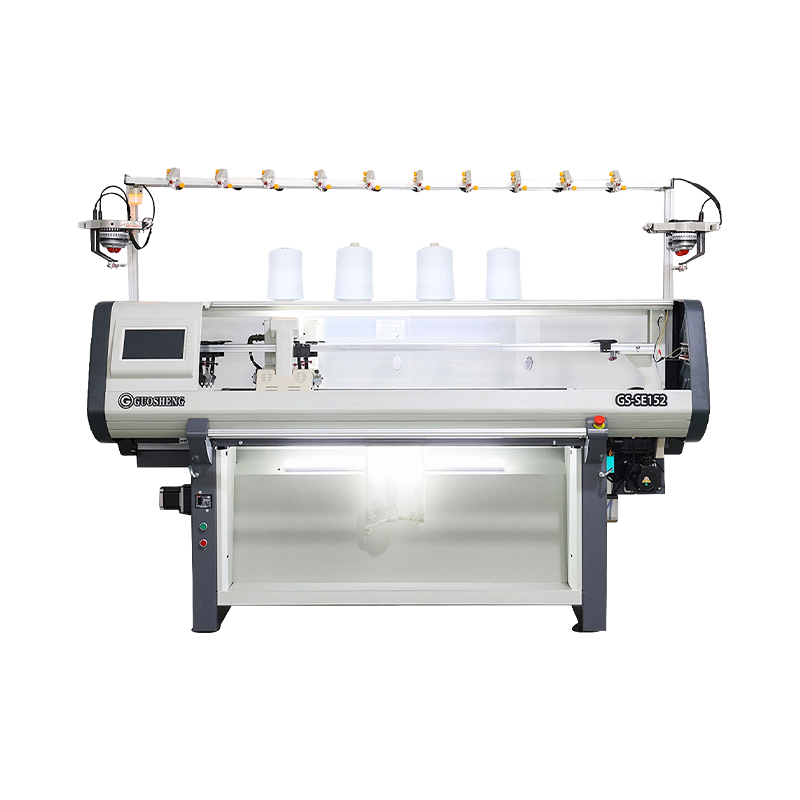
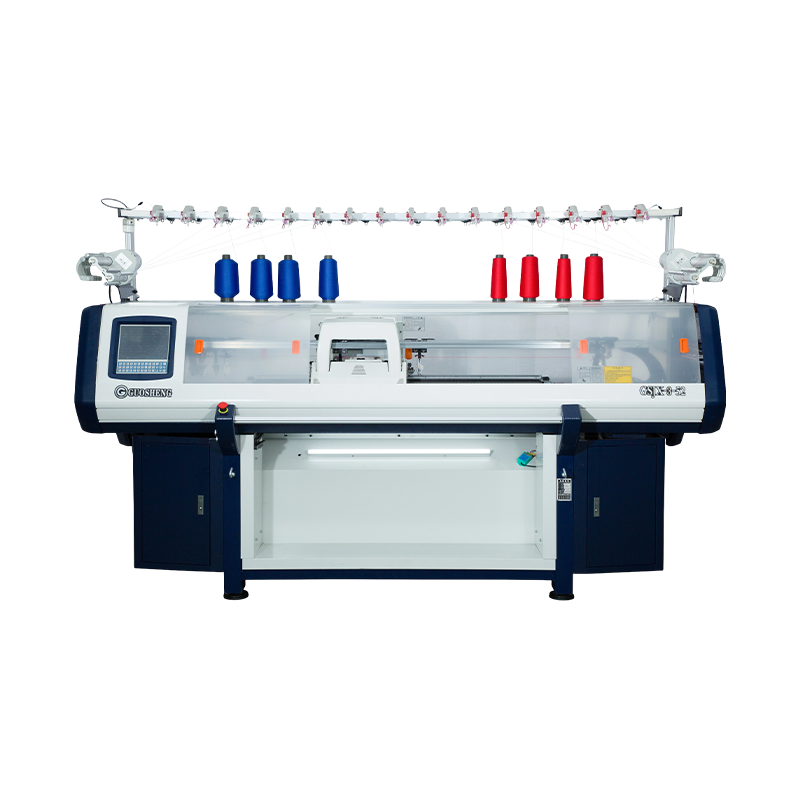
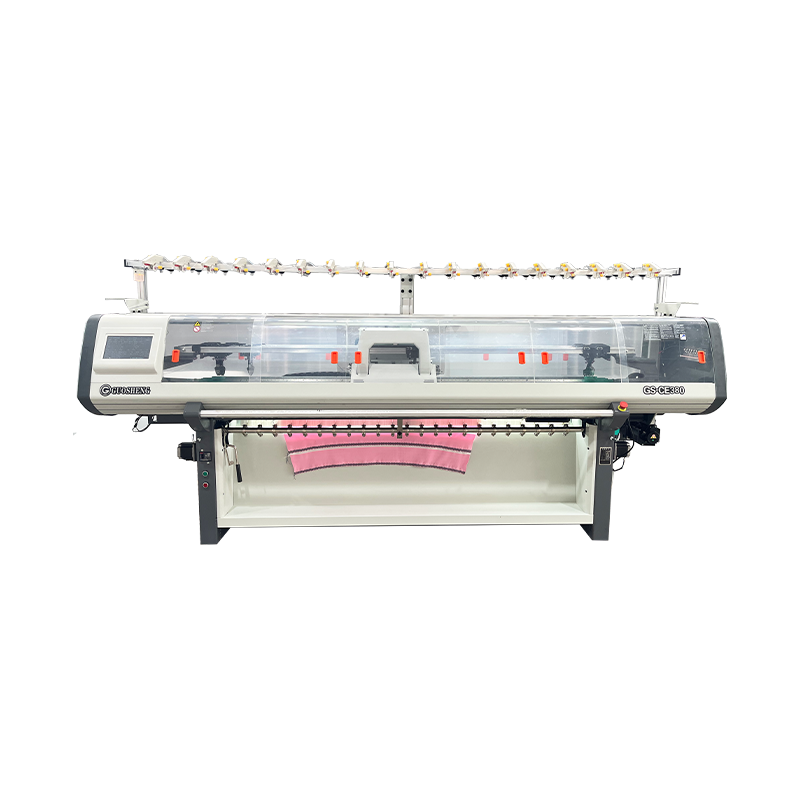
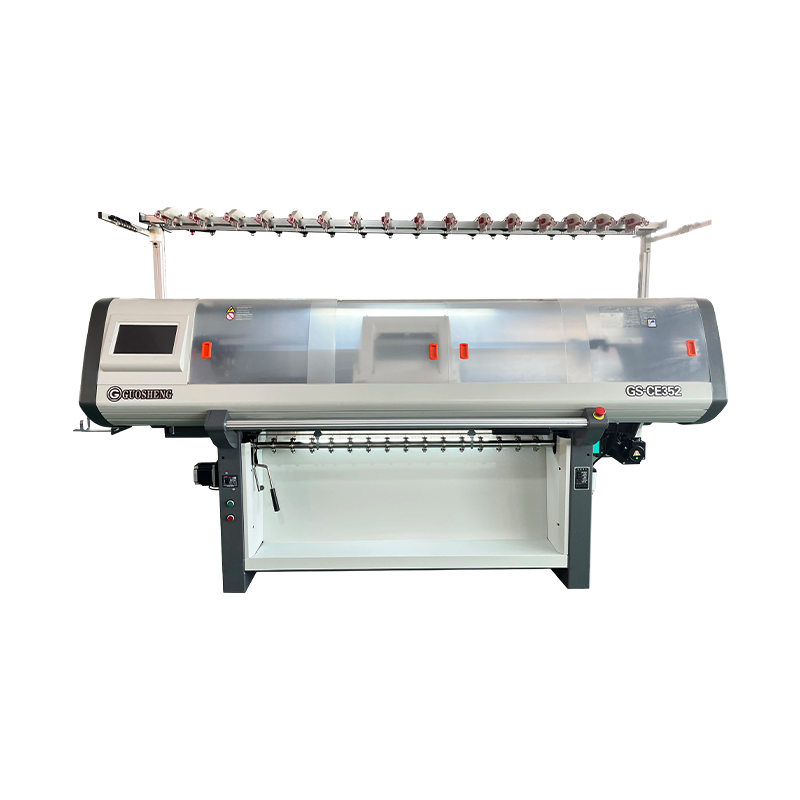
Sweater machines, for instance, split into an economic SE line and a full-function S line, and within those lines you will find two-, three-, and four-system variants in 52- and 72-inch widths, along with specialised builds for compound-needle bottom-up and no-waste-yarn knitting. Alongside them sit collar machines in economic CE and full-function C series, wide double-system blanket machines, three-system shoe upper machines for flyknit-style uppers, and dedicated platforms for gloves, hats, knee pads, and metal mesh.
How to Tell a Real Manufacturer from a Reseller
If you take nothing else from the abbreviation m.f.g., take this: verify it. A short, friendly checklist works better than a long questionnaire.
- Ask which parts are machined in-house and which are bought in. Every builder sources components; the answer tells you where the engineering actually lives.
- Request a live video walkthrough of the assembly line, not a photo gallery. Movement and clutter are hard to fake.
- Ask for the machine's test protocol before shipment. A builder will have a standard; a reseller will improvise.
- Check spare-part availability for older models. Long-term support is the clearest sign that a company engineered the machine itself.
- Ask who performs installation and commissioning, and whether your operators will be trained on site.
These questions are not adversarial. Good suppliers answer them easily, and the conversation becomes far more productive once both sides are talking about the same thing. If you would like to run through them with us directly, you are welcome to get in touch with our team.
Matching Manufacturing Capability to Your Product
Manufacturing breadth matters most when your product range is wider than one machine can handle. A mill producing heavy 100-inch blankets at 2.5 gauge is chasing a different outcome from a factory knitting 36-inch shoe uppers in three systems, and the two should not be shoehorned onto the same platform.
 GS-V352 Three-System Shoe Upper Knitting Machine52-inch, three-system full-function machine for wide-format 3D flyknit shoe uppers, with 14G gauge and high-capacity production features.View Product →
In practice, the selection usually comes down to three numbers. System count governs output per course, working width sets the maximum panel size, and gauge determines stitch density and the yarns you can reasonably run. Once those are fixed, the rest — carriage configuration, yarn feeder type, take-down arrangement — becomes a matter of matching the machine to the garment rather than the other way round.
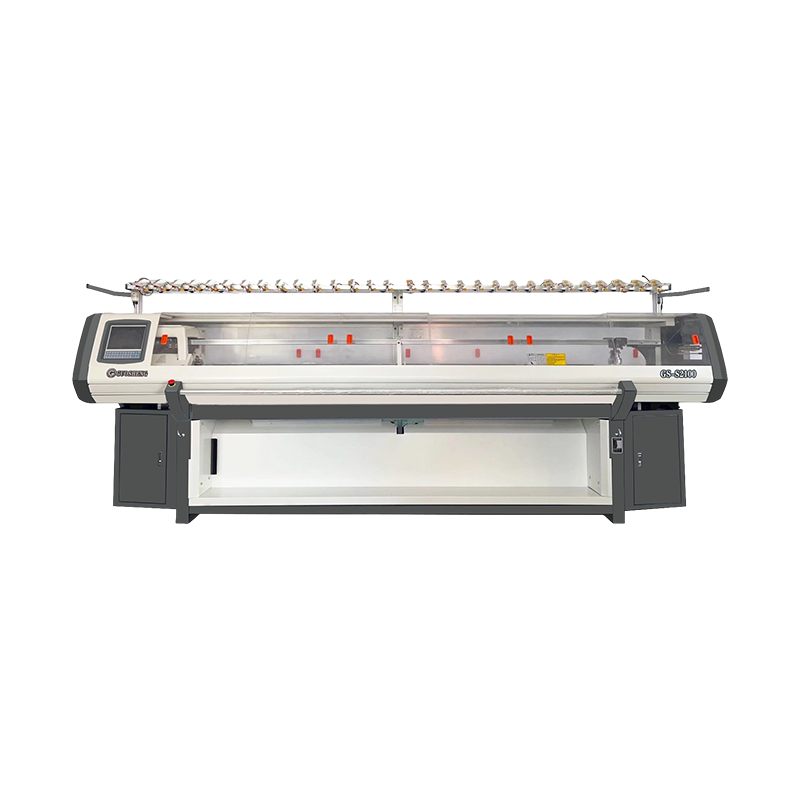
 GS-S2100 100-Inch Double-System Blanket Knitting MachineWide-format computerized flat knitting machine with 13 gauge options and blanket-focused functions for mid-to-high-end blanket production.View Product →
It is also worth thinking beyond the purchase order. Machines that are over-specified for your actual product mix tie up capital; machines that are under-specified cost you in changeovers and rework. Our article on what makes a computerized sweater knitting machine worth the investment walks through that trade-off in more detail.
Three letters can only tell you so much. What m.f.g. really points to is a set of habits — precision machining, controlled assembly, testing before dispatch, and support long after the invoice is settled. Whether you are expanding a sweater line, adding collar capacity, or moving into technical textiles, the useful question is never simply "who manufactures this?" but "who will still be manufacturing it, and standing behind it, when I need them?" That is the standard we hold ourselves to in Changshu, and it is the one we would encourage you to apply to every supplier you shortlist.

Ready to Begin?
Product Categories
- Sweater Knitting Machine (Economic SE)
- Sweater Knitting Machine (Full Function S)
- Collar Knitting Machine (Economic CE)(Fabric)
- Collar Knitting Machine (Full-Function C)
- Blanket Knitting Machine(Fabric)
- Shoe Upper Knitting Machine
- Ready To Wear Sweater Knitting Machine
- Ready To Wear Glove Knitting Machine
- Ready To Wear Hat Knitting Machine
- Knee Pad Knitting Machine
- Metal Mesh Knitting Machine
Contact Information
-
 Email: gs@guoshengchina.cn
-
 Phone: +86-0512-52690511
-
 Address: No. 18, Hupu Pujiang Road, Bixi New District, Changshu City, Jiangsu Province, China
QR Code
