


 English
 Español
 русский
 عربى
 中文简体

Industry News
Fine Gauge Knitting Machines: A Practical Guide for Textile Manufacturers
Date:Nov 10, 2026
Content
A fine gauge knitting machine is not simply a “smaller” knitting machine. It is a flat knitting platform built around closer needle spacing, so it can work with finer yarns and produce lighter, denser, or more detailed fabric. That difference matters most when the finished piece has to drape cleanly, hold a precise shape, or show crisp stitch definition without bulk.
Much of the online conversation about fine gauge comes from domestic machine knitting, where a 7G or 9G machine may be described as fine. In industrial flat knitting, the term usually points to 12G and finer, and the decision quickly moves beyond gauge alone. Working width, system count, needle type, yarn feeders, and the controller all shape what a machine can produce day after day.
What Fine Gauge Means on a Flat Knitting Machine
Gauge is a measure of needle density. In flat knitting it is often expressed as needles per inch, or with an “E” prefix in some markets, so a 12G machine has roughly 12 needles per inch and a needle pitch of about 2.1 mm. A 14G machine is finer still, while a 3.6 mm, 7G machine sits in a middle range. The exact pitch varies by manufacturer, but the principle is consistent: more needles per inch means finer yarn, more stitches across the width, and a different balance of fabric weight and production speed.
Fine gauge is therefore a starting point rather than a complete specification. Two machines with the same gauge can behave very differently if one has a wider bed, more systems, a different needle profile, or a different take-down system.
| Gauge band | Approx. needle pitch | Typical yarn direction | Common production focus |
|---|---|---|---|
| 3G–5G | 5–8.5 mm | Chunky, heavy | Thick sweaters, heavy blankets |
| 7G–10G | 2.5–3.6 mm | Medium to medium-fine | Sweaters, accessories, some uppers |
| 12G–14G | 1.8–2.1 mm | Fine, smooth | Lightweight knitwear, collars, trims, engineered uppers |
| 16G and finer | Under about 1.6 mm | Very fine | Ultra-light fabrics, technical textiles |
For buyers, the practical question is not “What is the finest gauge available?” but “What gauge keeps the target fabric stable, repeatable, and commercially sensible?” A very fine machine can produce beautiful swatches, yet it may demand yarns, tension control, and maintenance routines that do not fit every factory.
Where Fine Gauge Machines Earn Their Place
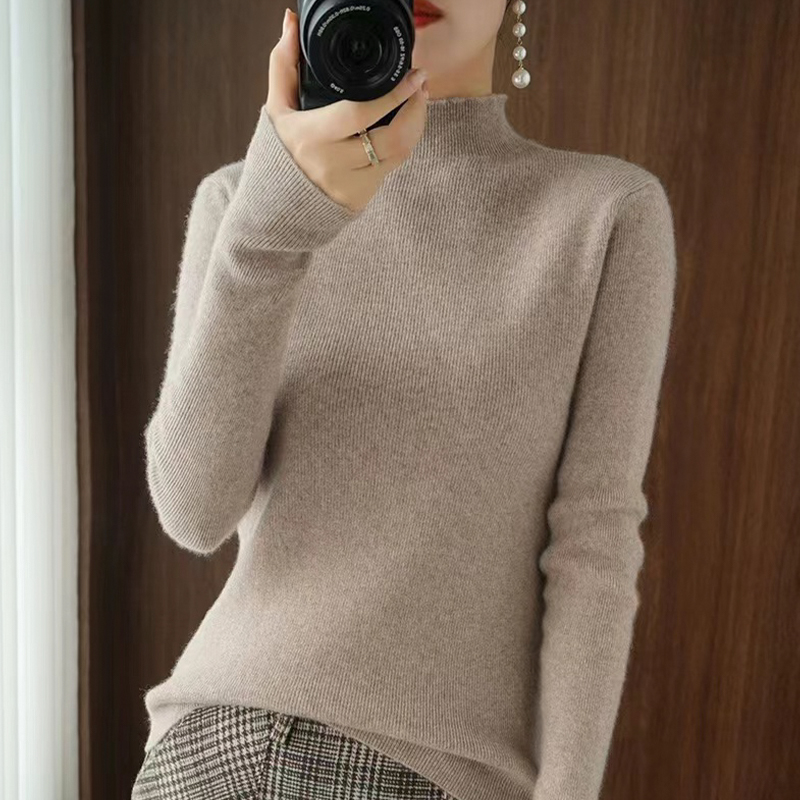
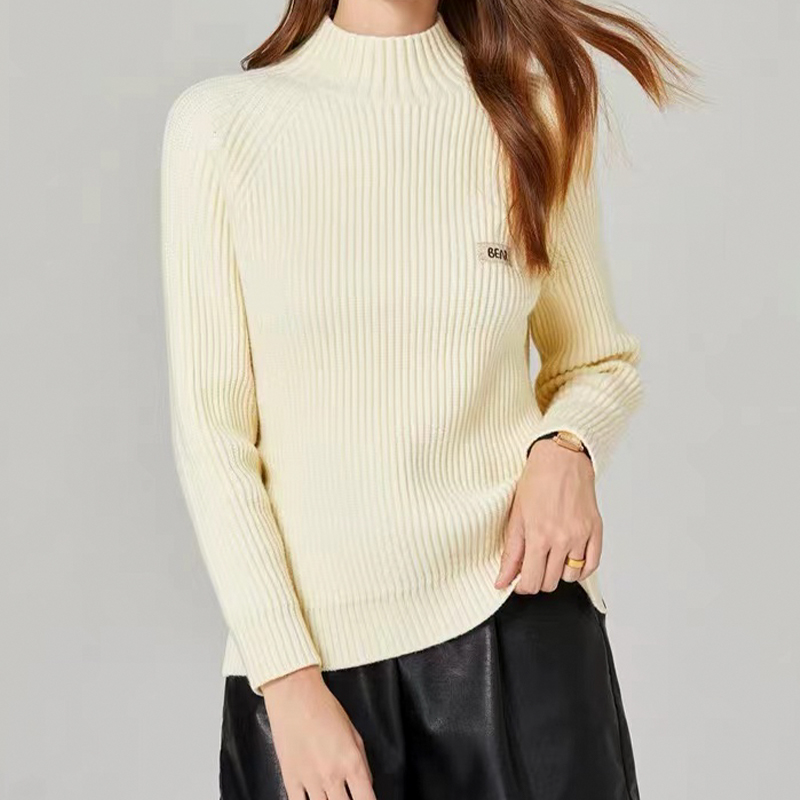
Fine gauge machines are common in lightweight knitwear: fine-gauge sweaters, cardigans, base layers, and smooth accessories. They also appear in collars, cuffs, trims, and other knitted components where a flat, clean edge and consistent stitch density matter. In footwear, fine-gauge flat knitting has become a practical way to build engineered uppers with zones of stretch, ventilation, and reinforcement.
The advantage is not only appearance. Finer yarn and closer needle spacing can reduce fabric bulk, improve drape, and allow more design detail within a given width. That can be useful for whole-garment or ready-to-wear programs, where panels are knitted closer to final shape and downstream cutting is reduced. The trade-off is that fine gauge is less forgiving. Yarn count variation, slubs, tension drift, and worn needles show up more quickly in the finished fabric.
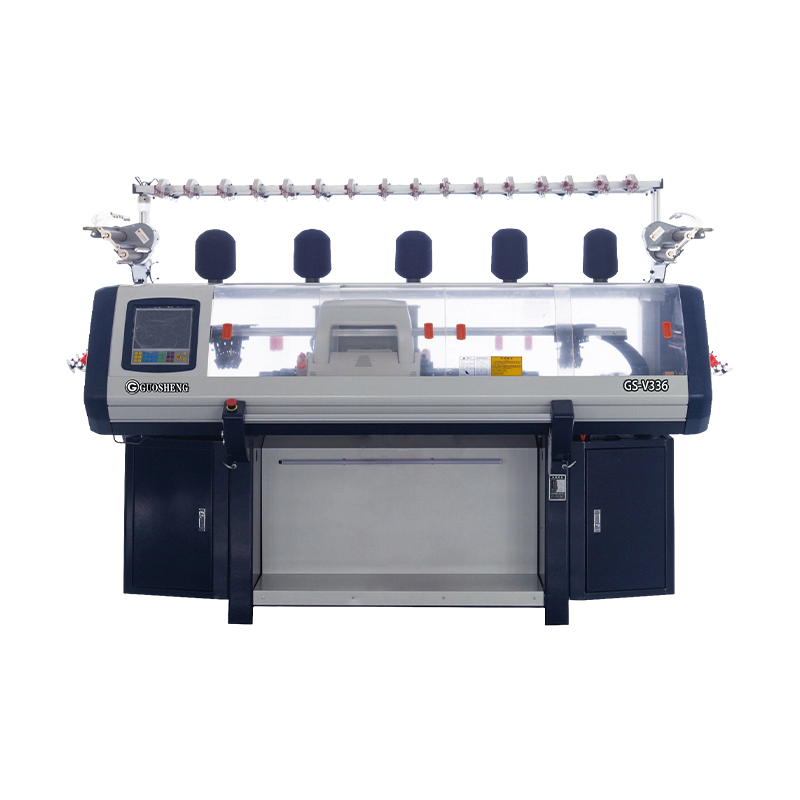
For footwear upper programs, a three-system shoe upper platform is a different starting point from a sweater machine, even when both work with fine yarns. The machine frame, needle bed, and yarn path are arranged around the shape and stress of an upper rather than a garment panel.
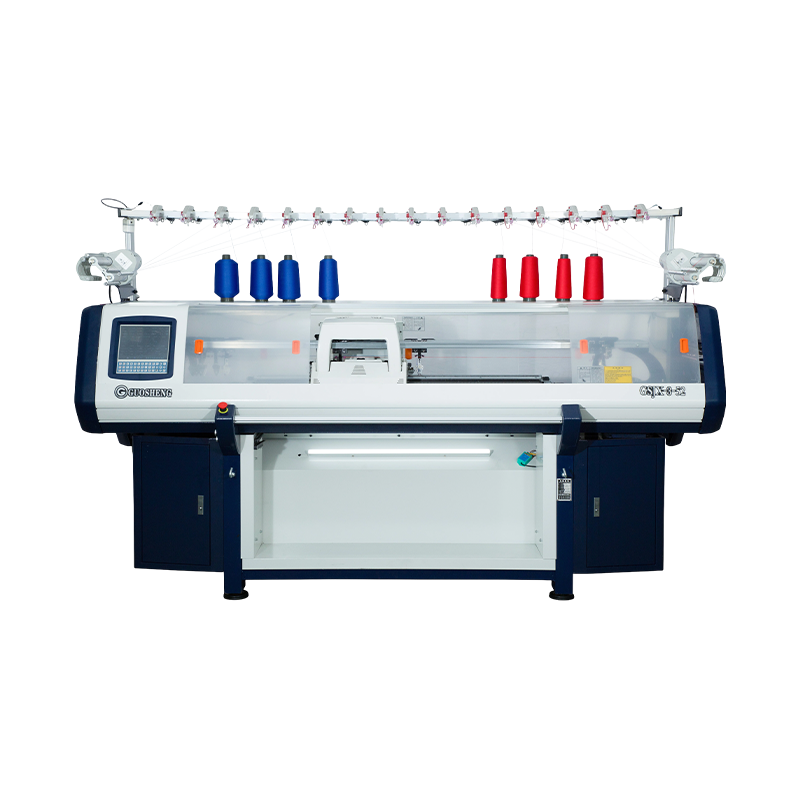
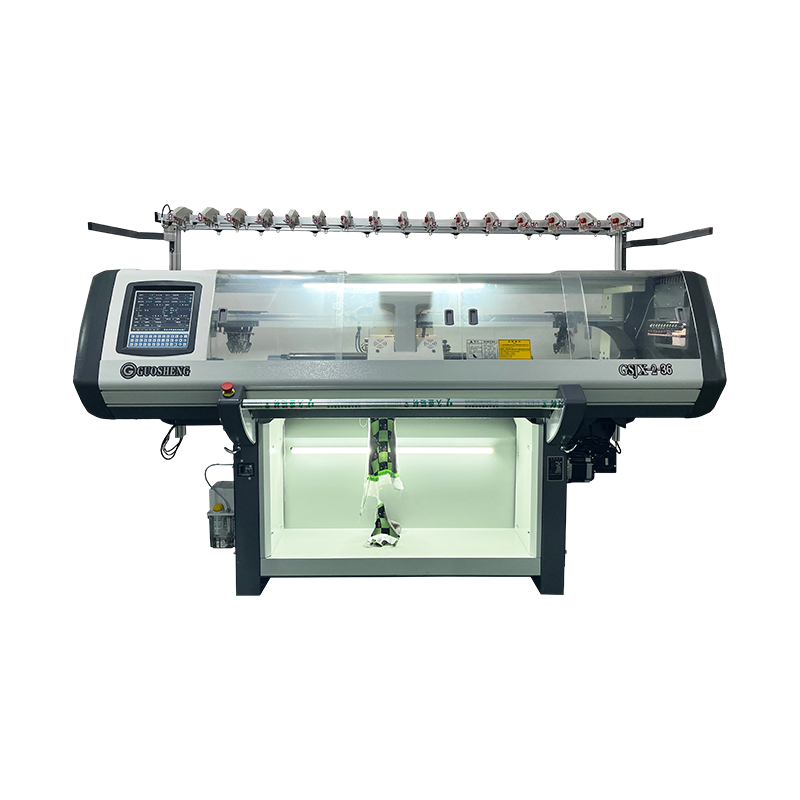
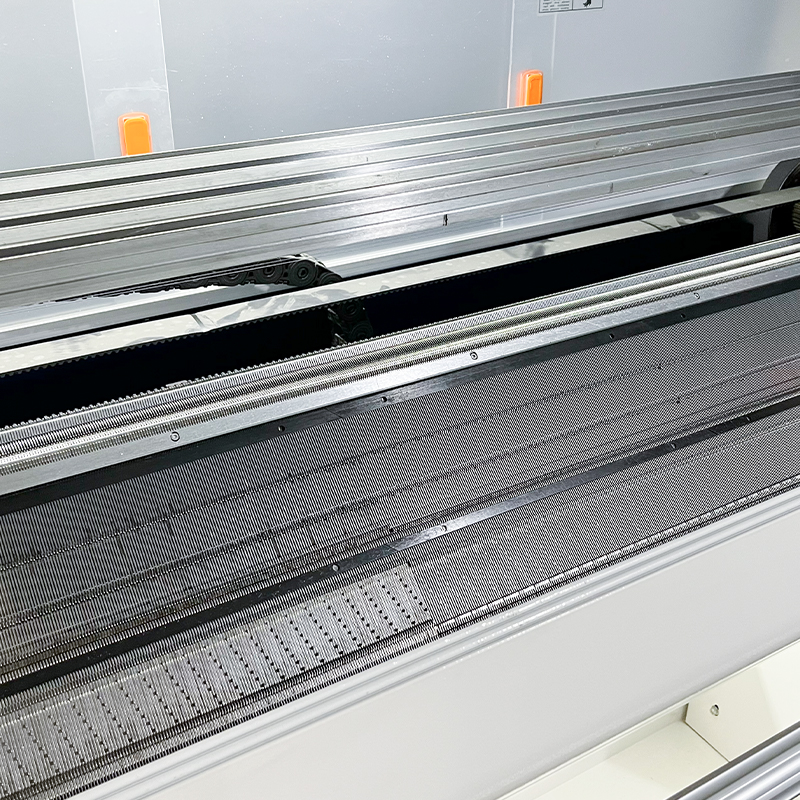 GS-V352 52-Inch Three-System Shoe Upper Knitting MachineWide-format three-system platform for 3D flyknit shoe uppers, with 52-inch width, stepping-motor sinkers, and full knitting functions for efficient upper production.View Product →
Reading a Fine Gauge Machine Specification
When you read a fine gauge machine specification, separate the commercial headline from the production details. Gauge tells you the needle density. Working width tells you how much fabric or how many panels fit across the bed. System count tells you how many yarn carriers can operate in one carriage pass, which affects output potential and the range of colour or structure work. Needle type, sinker design, feeder configuration, and the control system determine how reliably those numbers turn into saleable fabric.
Width deserves particular attention. A 52-inch bed is a common workhorse for garment panels and trims, while a 72-inch bed can suit wider pieces, larger panel layouts, or programs that need more room across the needle bed. Wider is not automatically better: it can raise the cost of the machine, change tension behaviour, and require more floor space and more careful yarn management.
System count is similar. A double-system machine can be a sensible entry point for straightforward fine-gauge knitwear, while a three-system or four-system machine may make more sense when output, colourwork, or complex structures justify the investment. The gain is not a simple multiplier, because yarn quality, takedown, and pattern complexity all influence real production.
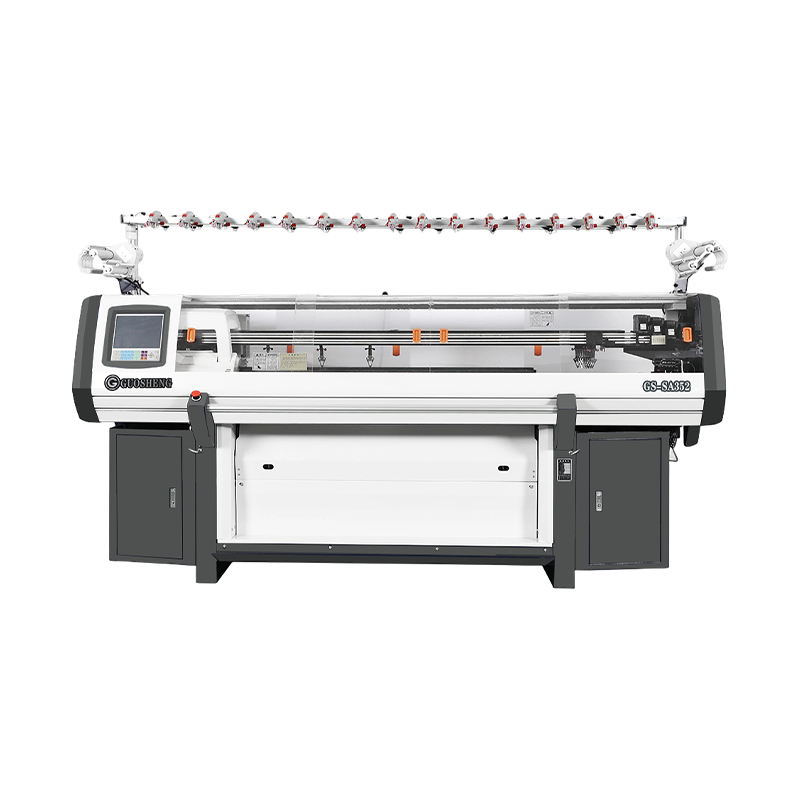
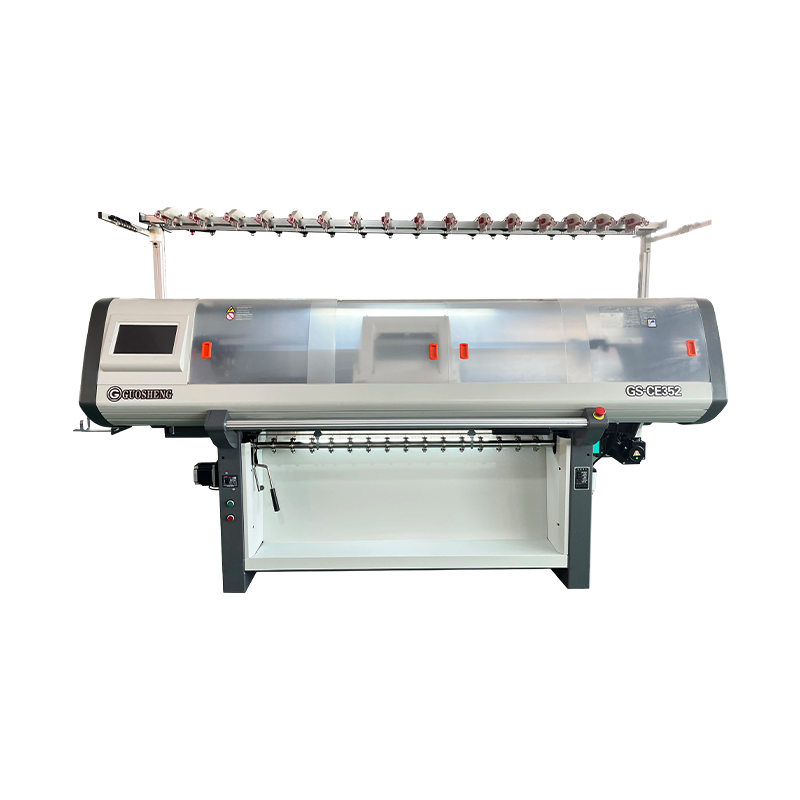
For a practical 12G starting point, a 52-inch double-system machine can cover lightweight sweater panels, trims, and simple structures without overcommitting to a very wide or very complex platform.
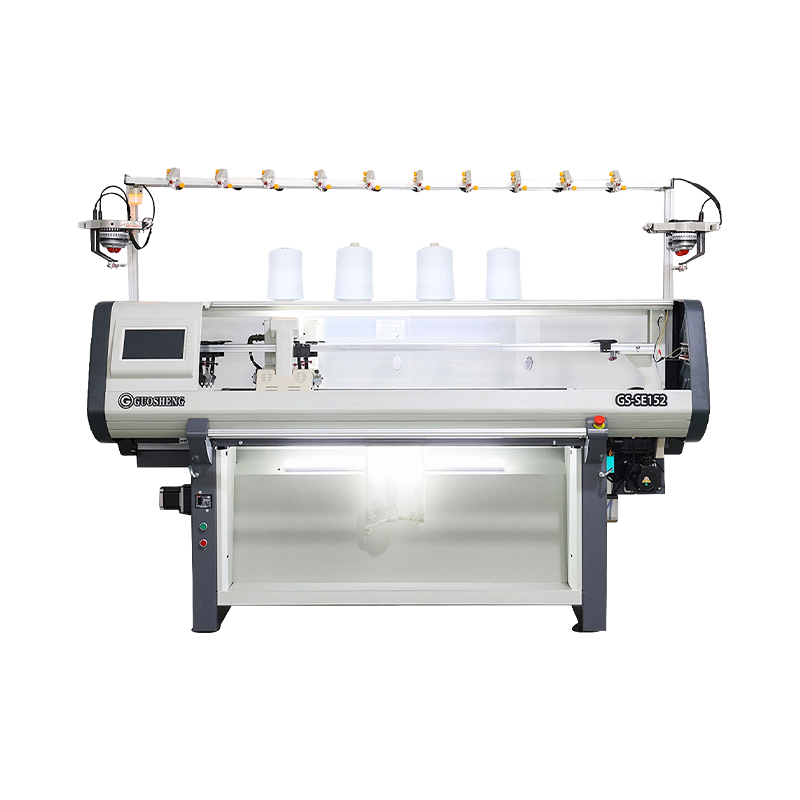
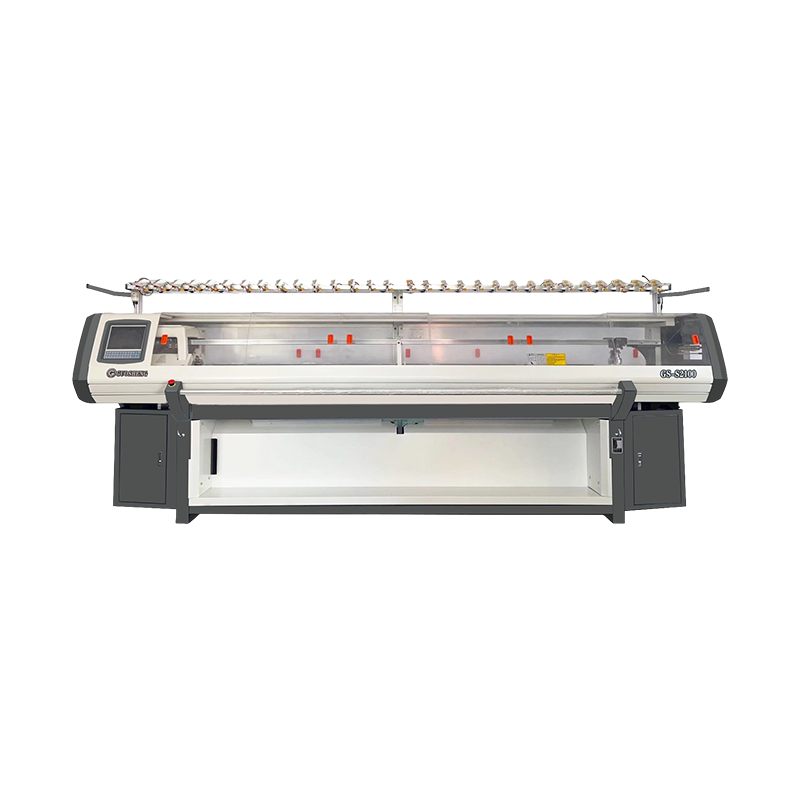
 GS-SE252 Economic Double-System Computerized Flat Knitting MachineCost-effective 52-inch, 12G-capable double-system platform for lightweight sweater panels, trims, and simple structures, with optional widths and gauges for capacity expansion.View Product →
Choosing the Right Fine Gauge for the Product
Start with the yarn and the target fabric, not the machine brochure. A yarn that looks smooth on a cone can still behave differently after waxing, storage, or a few hours on the machine. The most reliable path is to knit a swatch on the intended gauge, wash or finish it the way production will, and measure stitch density, shrinkage, hand feel, and recovery. That sample should be made on the same needle type and under the same takedown conditions as the production run.
Then match the machine to the product family:
- Lightweight sweaters and cardigans: prioritise 12G or finer, a width that fits the panel layout, and enough systems to meet output targets without making the pattern too demanding.
- Collars, cuffs, and trims: look at narrow-width efficiency, edge quality, and how easily the machine changes between small components.
- Footwear uppers: consider the upper shape, engineered zones, and the machine frame designed for that application rather than adapting a garment machine.
- Technical or very fine fabrics: confirm yarn availability and maintenance capability before choosing 14G or finer equipment.
Ready-to-wear programs add another layer. When a machine is set up to produce a garment closer to its final form, the value comes from reduced cutting, fewer seams, and tighter material use. That does not remove the need for finishing, but it changes how you calculate cost per piece.
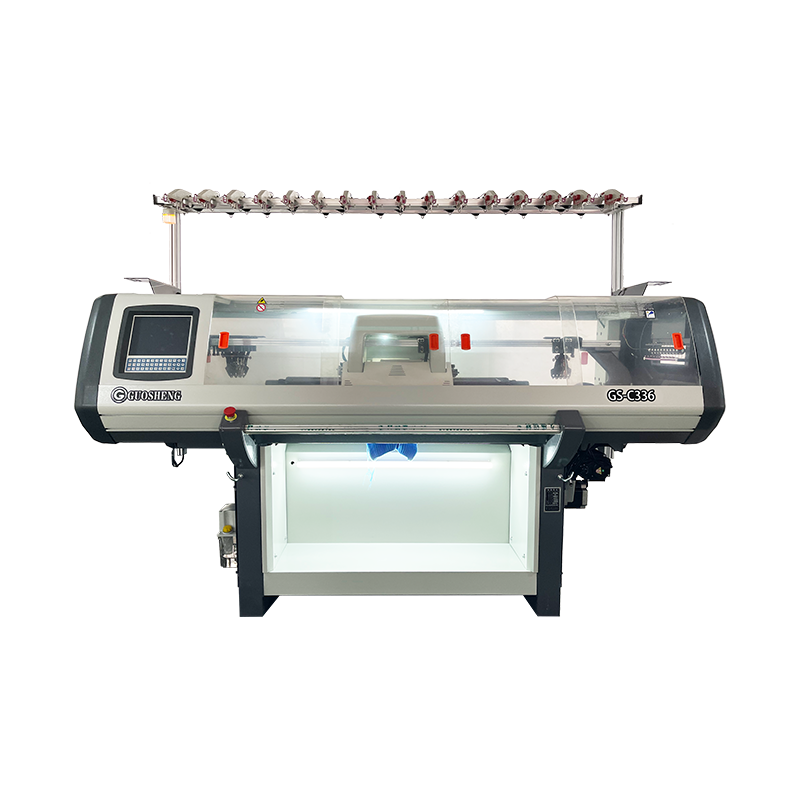
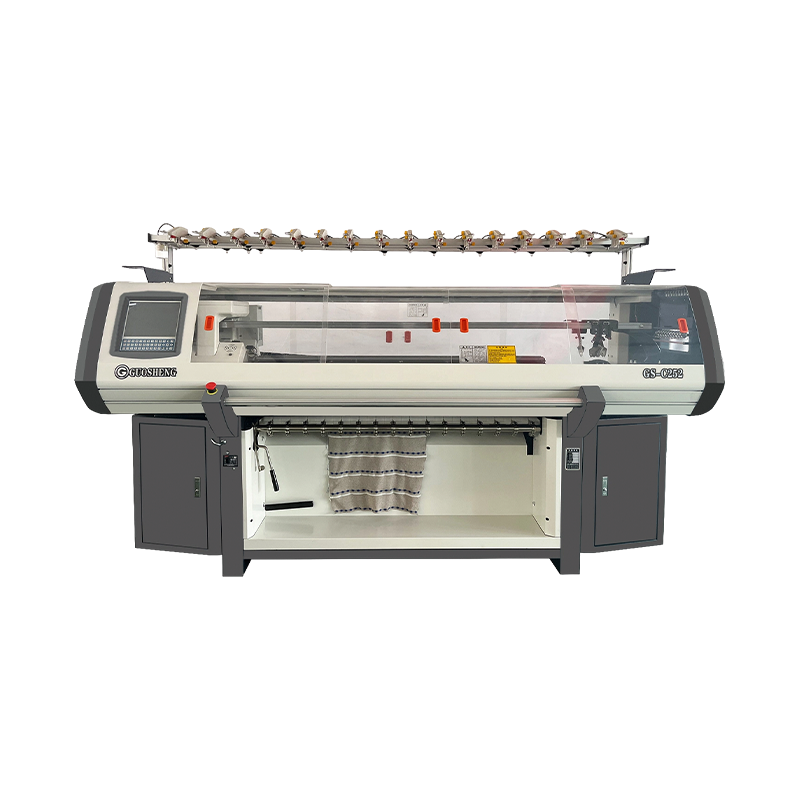
For longer garment panels and ready-to-wear sweater work, a wider three-system platform can be a better fit than a narrow entry-level machine.
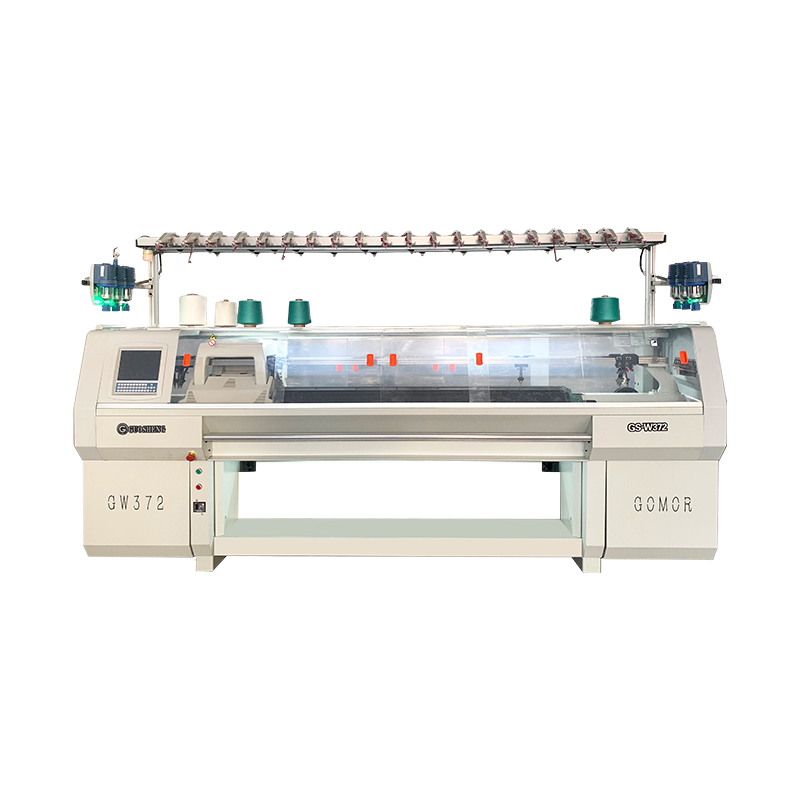
 GS-RW372 72-Inch Three-System Fully Fashioned Sweater Knitting MachineWide three-system platform for continuous fully fashioned sweater production, knitting front, back, and sleeves in one process file for longer garment panels and plus-size work.View Product →
Yarn, Tension, and Maintenance Notes
Fine gauge rewards consistency. Use yarns with a stable count and controlled hairiness, and keep waxing, storage, and creeling under review. Tension should be set from a finished swatch, not from a number copied from another factory. Small changes in takedown, yarn input, or needle condition can shift the stitch density enough to create visible bands in a panel.
Maintenance is part of the gauge decision. Finer needles and closer spacing leave less room for lint, dried oil, or a bent needle. A daily check of the needle bed, sinkers, carriages, and yarn feeders is basic practice. Preventive replacement of wear parts is usually cheaper than tracing a fault through a long production run. Operators also need time to learn the machine: how it reads yarn, where it is sensitive, and how to stop a small issue before it becomes a full panel of rejects.
- Check yarn count and condition before each new lot.
- Keep the needle bed and yarn path clean at every shift change.
- Record tension and stitch-density settings for repeat orders.
- Inspect needles and sinkers on a fixed schedule, not only after a fault.
- Retrain operators when a new yarn or structure is introduced.
How to Evaluate a Supplier
A fine gauge machine is a long-term production tool, so the supplier’s ability to support installation, commissioning, training, and spare parts matters as much as the headline specification. Ask for a sample knitted in the gauge and structure you intend to produce. Ask how the machine handles yarn changes, how patterns are transferred, and what response time looks like for critical parts. A clear answer is more useful than a low initial price.
It also helps to compare the machine against the actual product plan rather than a generic specification sheet. If the product mix includes lightweight sweaters, collars, and footwear uppers, one machine may not be the best answer for all three. A mixed portfolio often works better with a clear division between a fine-gauge garment platform and a dedicated upper or trim machine.
Our team works with textile manufacturers to match gauge, working width, and system count to the job in hand. If you are comparing fine gauge options, talk through your fine gauge requirements with us and we can help narrow the specification before you commit.
For a broader view of the investment case, this guide to what makes a computerized sweater knitting machine worth the investment is a useful next read.
Fine gauge knitting is ultimately a match between yarn, needle density, machine architecture, and the people running the floor. The right machine is the one that holds a stable fabric, fits the product width, and can be maintained without heroics. Gauge gets the conversation started; the production details decide whether it works.

Ready to Begin?
Product Categories
- Sweater Knitting Machine (Economic SE)
- Sweater Knitting Machine (Full Function S)
- Collar Knitting Machine (Economic CE)(Fabric)
- Collar Knitting Machine (Full-Function C)
- Blanket Knitting Machine(Fabric)
- Shoe Upper Knitting Machine
- Ready To Wear Sweater Knitting Machine
- Ready To Wear Glove Knitting Machine
- Ready To Wear Hat Knitting Machine
- Knee Pad Knitting Machine
- Metal Mesh Knitting Machine
Contact Information
-
 Email: gs@guoshengchina.cn
-
 Phone: +86-0512-52690511
-
 Address: No. 18, Hupu Pujiang Road, Bixi New District, Changshu City, Jiangsu Province, China
QR Code
