


 English
 Español
 русский
 عربى
 中文简体
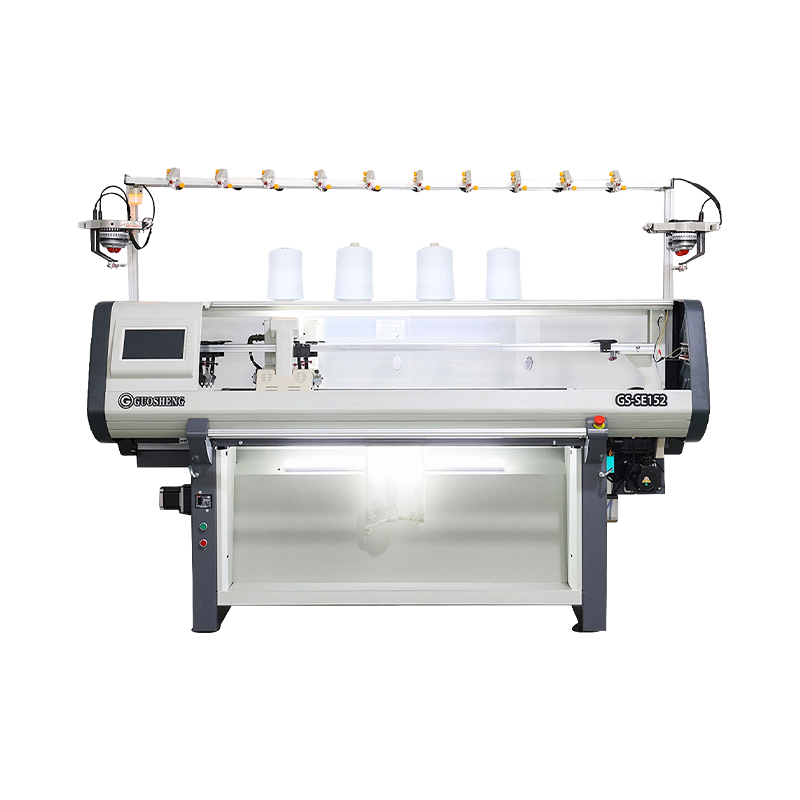
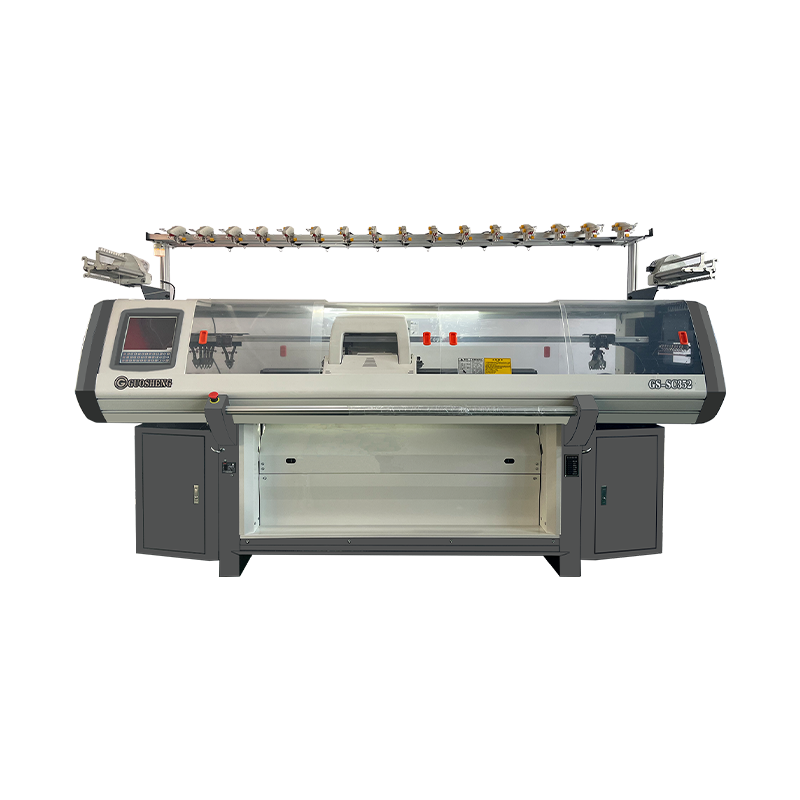
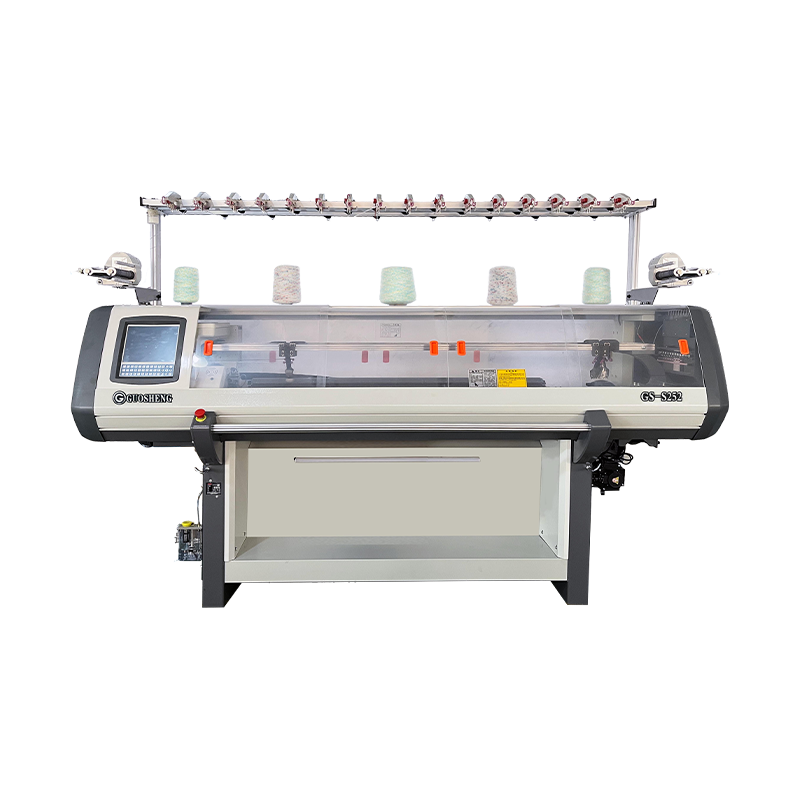
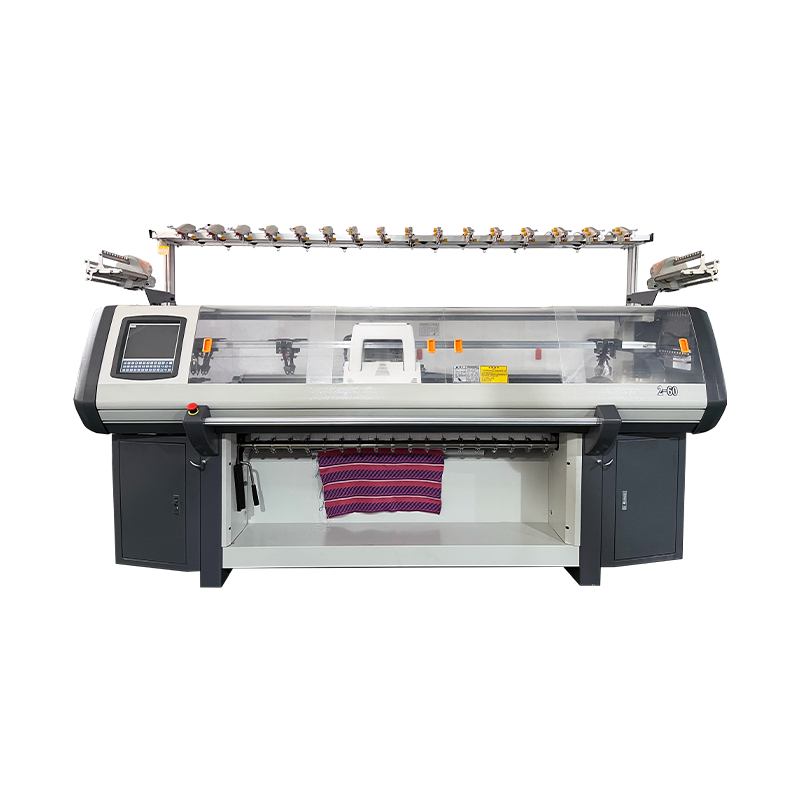

Industry News
Flat Bed Knitting Machine Guide: Types, Setup, and Production Planning
Date:Oct 27, 2026
Content
- 1 What a Flat Bed Knitting Machine Actually Does
- 2 From Hand Flat to Computerized Production
- 3 The Variables That Shape a Machine Choice
- 4 Matching Machine Type to Product
- 5 Configuration Details That Affect Daily Output
- 6 A Practical Selection and Commissioning Checklist
- 7 Maintenance, Yarn, and Long-Term Reliability
- 8 The Manufacturer Conversation Matters
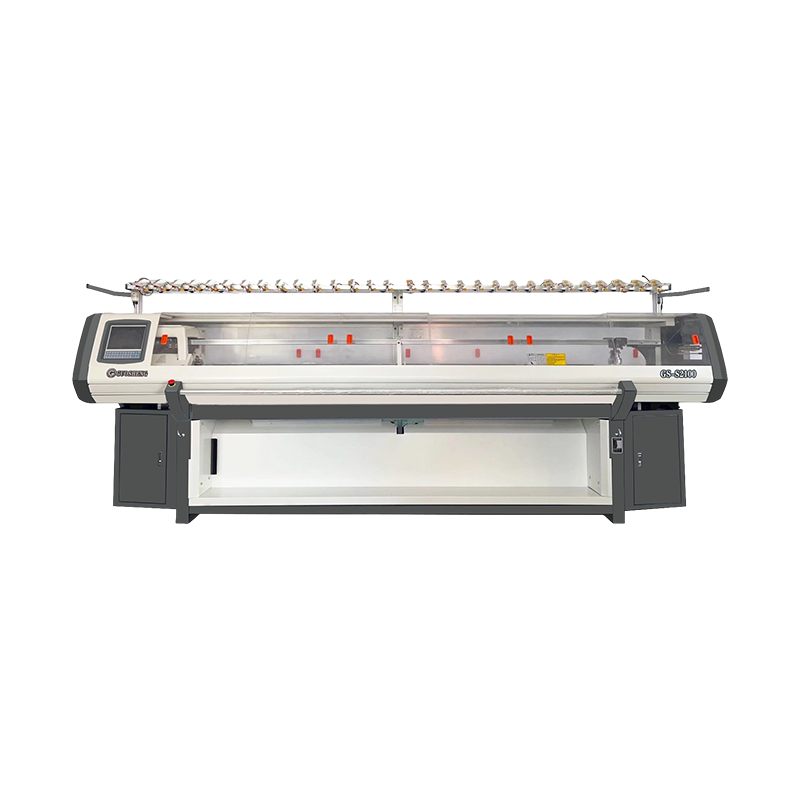
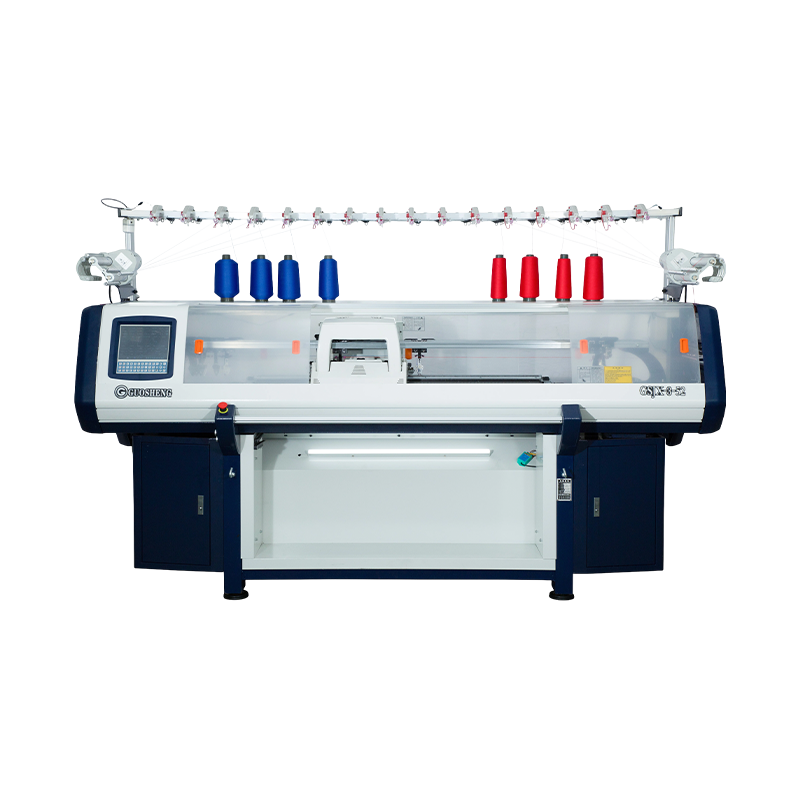
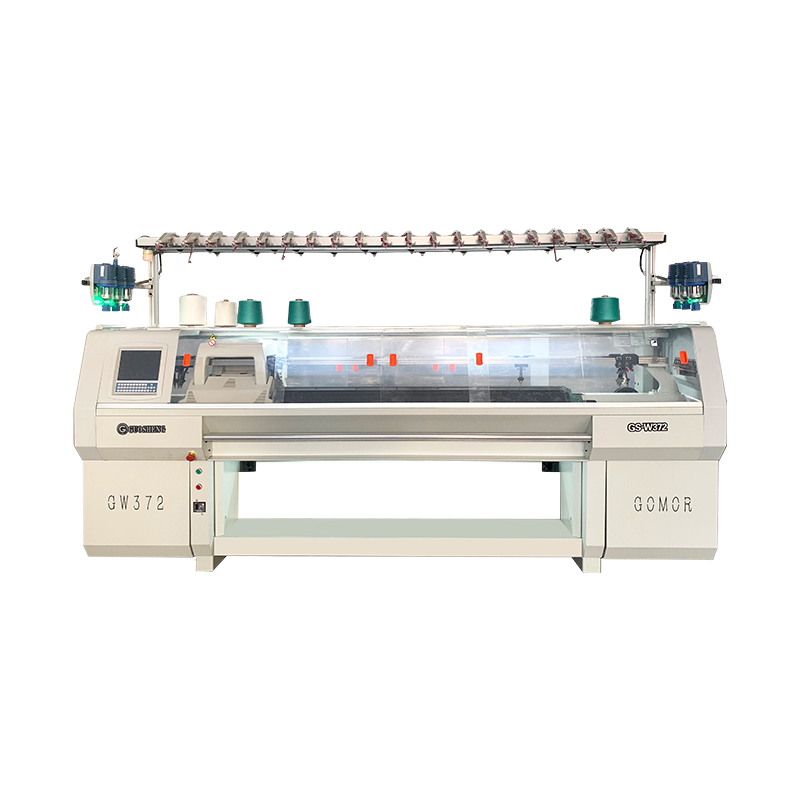
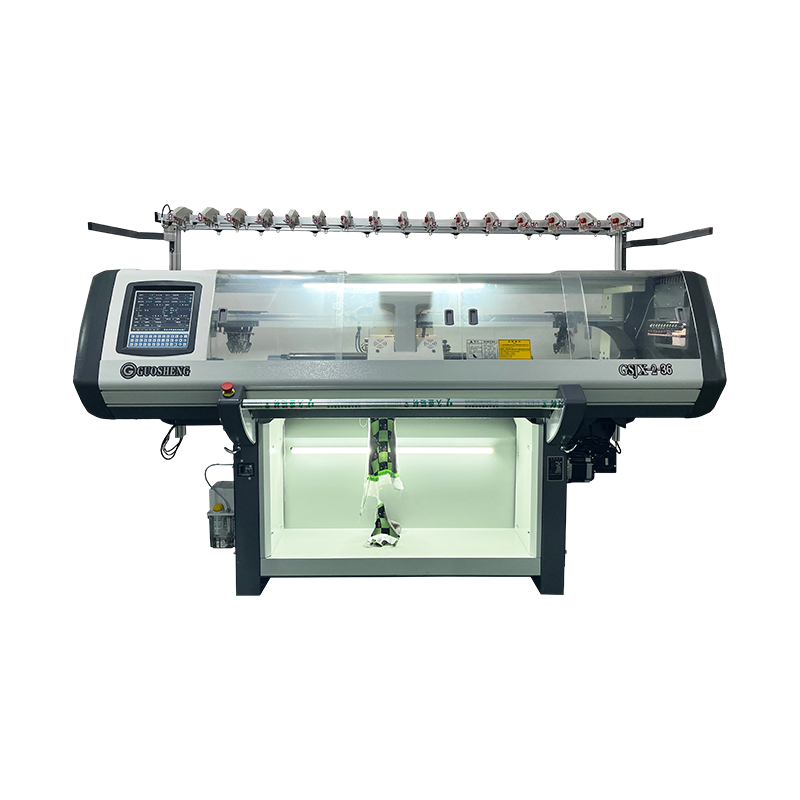
A flat bed knitting machine is simple in concept and surprisingly varied in practice. Two needle beds face each other in a V, yarn carriers move across the beds, and needles select, catch, and form loops. In a sample room, that description is enough. In daily production, the difference between a smooth line and a constant round of adjustments comes down to how well the machine matches the product, the yarn, and the people running it.
This guide is written from the perspective of people who build and support computerized flat bed machines every day. It is not a list of specifications to memorize. It is a practical way to think about the category, the choices that matter, and the questions worth asking before a machine is ordered, installed, and pushed into regular use.
What a Flat Bed Knitting Machine Actually Does
Flat bed knitting is a loop-forming process. Needles sit in a straight bed, or in two beds arranged in a V, and a carriage passes over them to move the needles through the stitch cycle. Yarn carriers feed yarn to selected needles. Because modern machines can select needles electronically, they can knit shaped panels, ribs, intarsia-style areas, openwork, and dense structures without manual rearrangement for every row.
The term “flat bed” separates this machine from a circular knitting machine. The fabric is built in flat form, often as a panel or a shaped piece that is later linked, sewn, or finished. That makes flat bed machines especially useful for sweaters, collars, trims, blankets, shoe uppers, hats, gloves, knee pads, and other products where shape and structure matter.
Within the category, there is a wide gap between a simple hand-manipulated flatbed and an industrial computerized flat bed knitting machine. A hand flat may be ideal for sampling or very small runs. A production machine needs repeatable needle selection, reliable take-down, stable yarn feeding, and controls that let an operator save and recall patterns. Those differences become obvious when production volume rises and the cost of resetting, reworking, or repairing becomes visible.
From Hand Flat to Computerized Production
Buyers often start with a product sample and then look for a machine. That order is understandable, but it can lead to a machine that is either over-specified or under-prepared for the actual job. A better approach is to look at the product family, the required output, and the finishing route together.
At Guosheng Wonderful Intelligent Technology (Changshu) Co., Ltd., our work sits in the computerised flat bed machine segment. We build machines for sweaters, collars, blankets, shoe uppers, ready-to-wear hats and gloves, knee pads, and metal mesh. That range is useful in conversation because the application usually tells us more than a general request for “a flat bed machine” does. A collar producer thinks in repeatability and selvedge quality; a sweater producer thinks in shaping, yarn carrier changes, and panel consistency; a shoe upper producer thinks in dense structures and finishing tolerance.
Our flat bed knitting machine range is organized around those application differences rather than a single generic platform. That does not mean every buyer needs a special machine. It means the first useful question is usually “what are you making, and how do you finish it?” rather than “which model is the largest?”
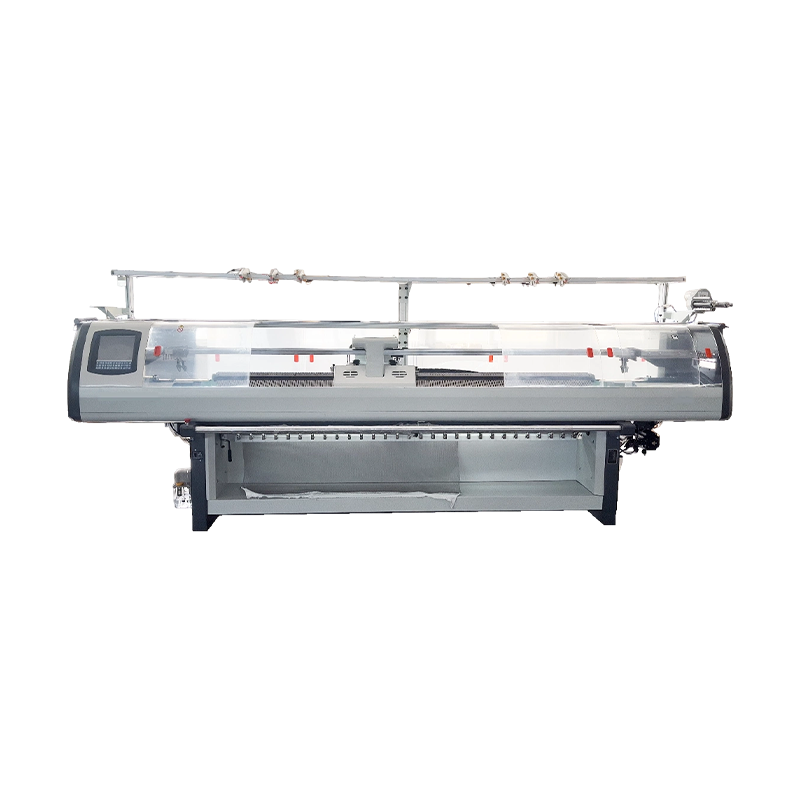
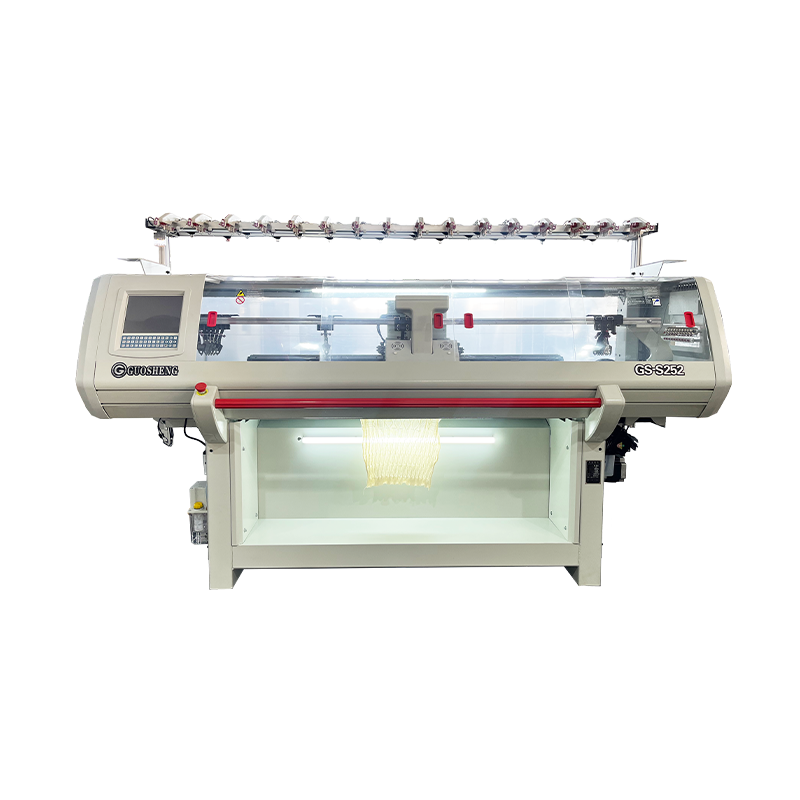
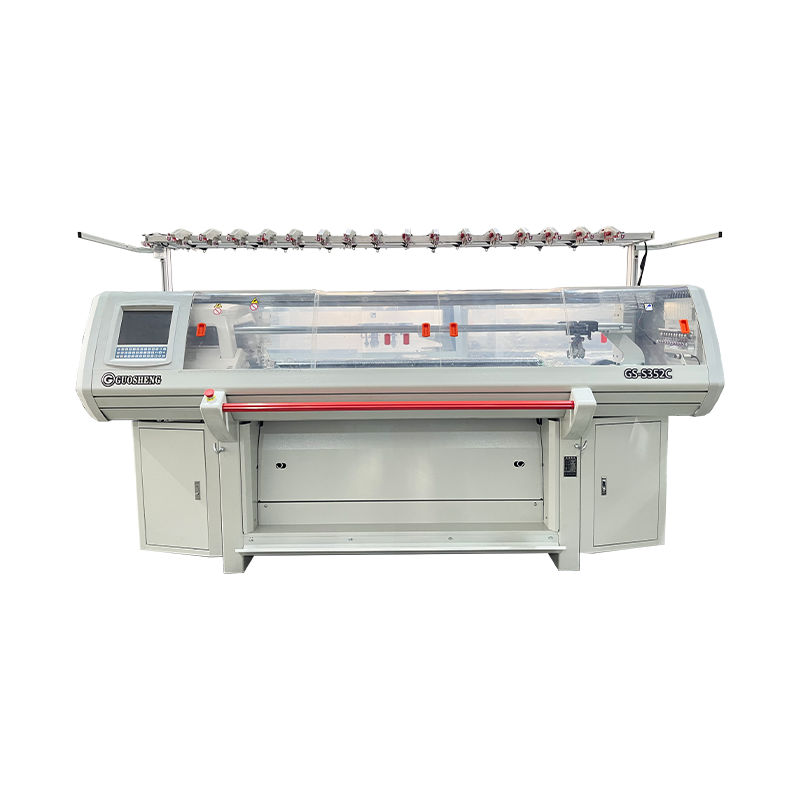
 GS-S352 52-Inch Three-System Sweater Knitting MachineA high-volume three-system sweater machine for complex knits, offering faster carriage movement and versatile patterning for production-focused buyers evaluating application fit.View Product →
The Variables That Shape a Machine Choice
Most flat bed machine decisions come down to a few connected variables. They should be discussed together, because changing one often changes the others.
- Gauge: The needle spacing sets the practical yarn range and the fineness of the fabric. A 12G machine suits many fine-gauge sweater and trim applications, while coarser gauges such as 2.5G or 3G are used for thicker blankets or technical fabrics.
- Bed width: Width affects the maximum panel size and the number of pieces that can be planned across the bed. A 36-inch machine may suit compact products such as shoe uppers, hats, gloves, or knee pads. Wider beds, such as 52, 72, 80, or 100 inches, open up larger panels and broader product layouts.
- System count: Single-, double-, three-, and four-system machines differ in how much knitting action can happen per carriage traverse. More systems can raise output, but the benefit depends on the pattern, yarn, and how often the machine is stopped for changes.
- Needle selection and control: Computerized selection makes shaped panels and complex structures practical. The control system should be understandable to the people who will actually run it, not only to the person who sold it.
- Yarn feeding and take-down: Good feeding keeps tension consistent. Good take-down keeps the fabric moving away from the needles without distorting it. These details show up later as fewer dropped stitches, fewer marks, and more stable panels.
Matching Machine Type to Product
Application fit is the most reliable starting point. The table below is not a rulebook, but it gives a practical overview of how different flat bed machine families tend to line up with common products.
| Product area | Typical machine focus | Common configuration range | What to check |
|---|---|---|---|
| Sweaters and knitwear | Computerized sweater machine | 52 to 72 inches, two to four systems, fine to medium gauge | Shaping, yarn carrier changes, panel consistency, waste yarn |
| Collars and trims | Collar knitting machine | 40 to 80 inches, one to four systems | Rib quality, selvedge, repeatability, collar shape |
| Blankets and home textiles | Wide-bed blanket machine | 80 to 100 inches, double system, coarser gauge | Width, tension, coarse yarn feeding, take-down |
| Shoe uppers | Shoe upper knitting machine | 36 to 72 inches, three systems | Dense structures, dimensional stability, finishing tolerance |
| Hats, gloves, and knee pads | Ready-to-wear or shaped knitting machine | 36 inches, two to three systems | Shaping, waste, cycle time, size consistency |
| Metal mesh and technical fabrics | Specialized flat bed machine | 100 inches, double system, 3G | Material feeding, tension control, safety, tooling |
Collar production is a good example of why the details matter. A collar may look like a narrow, simple piece, but it often has to hold its shape, match a neckline, and survive finishing without twisting. A machine with the right bed width and system count can make the job efficient, but the selvedge, rib structure, and repeatability are what determine whether the collar is accepted day after day.
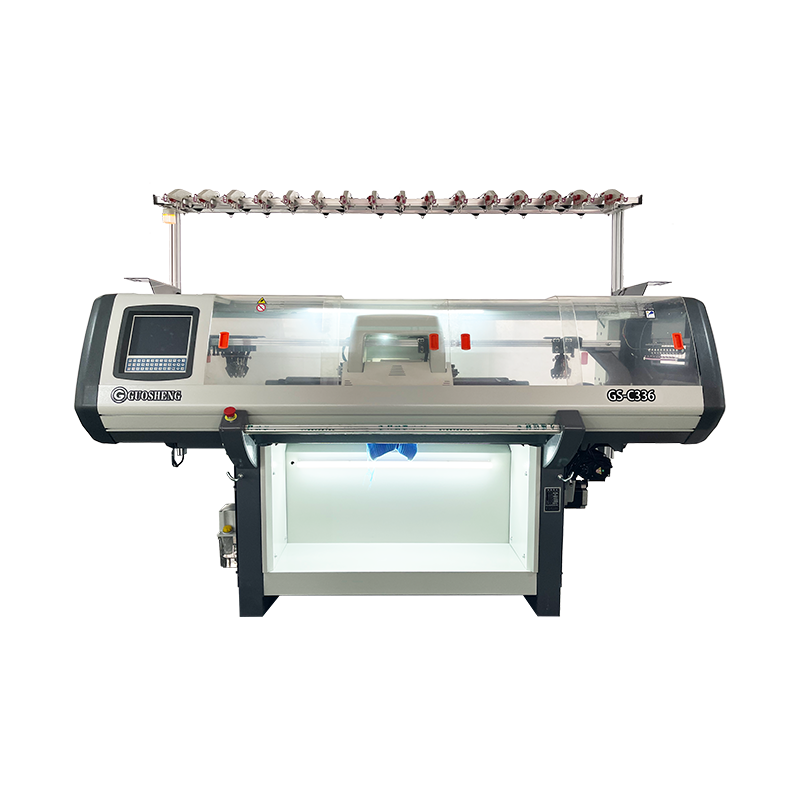
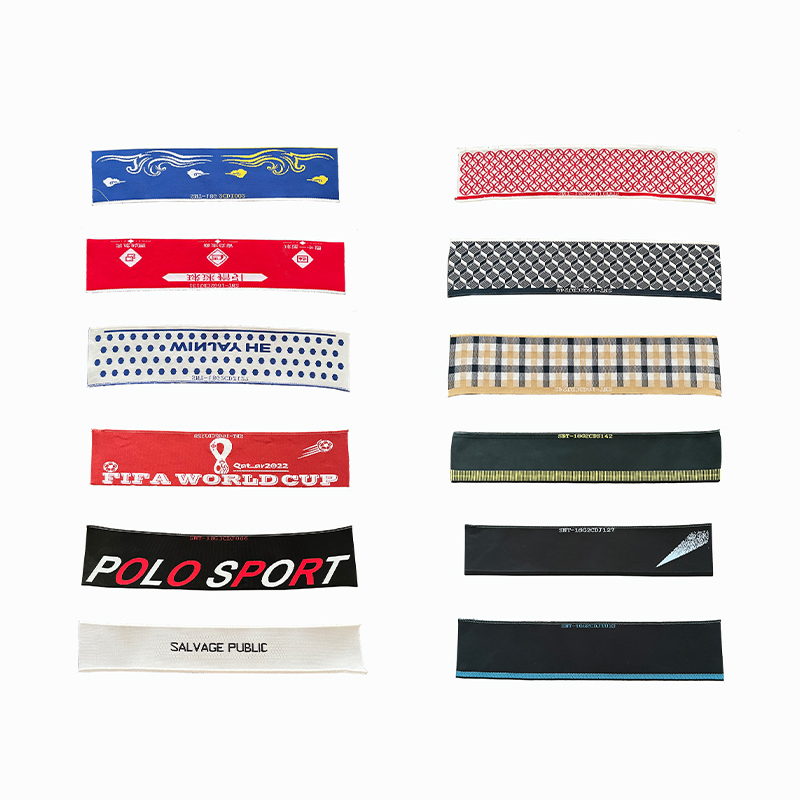 GS-C352 52-Inch Three-System Collar Knitting MachineA versatile three-system collar machine for trim producers, offering multi-color jacquard and precise tension control to meet repeatability demands in collar manufacturing.View Product →
Configuration Details That Affect Daily Output
More systems is not automatically better
A four-system machine can be a strong choice for the right product, but it is not a universal upgrade. If the pattern requires frequent yarn changes, small batches, or careful shaping, the extra knitting action may not translate into the output gain a buyer expects. The practical question is where time is actually lost: in knitting, in changing yarns, in waiting for a pattern adjustment, or in handling panels after they come off the machine.
Special features should solve a real problem
Compound needle systems, no-waste-yarn starting, and intelligent yarn feeding are useful where they match the job. A no-waste-yarn approach can reduce material loss and handling in certain sweater applications. An intelligent yarn feeder can help where tension consistency is critical. These are not badges to collect. They are answers to specific production issues.
Footwear and technical products need a different lens
Shoe uppers and technical textiles often demand dense, stable structures and tight dimensional control. A three-system shoe upper machine in a 36-, 52-, or 72-inch width gives producers room to match the upper size and the expected batch pattern. The conversation should include the finishing process, because a fabric that looks correct on the machine can still behave differently after heat setting, bonding, or sewing.
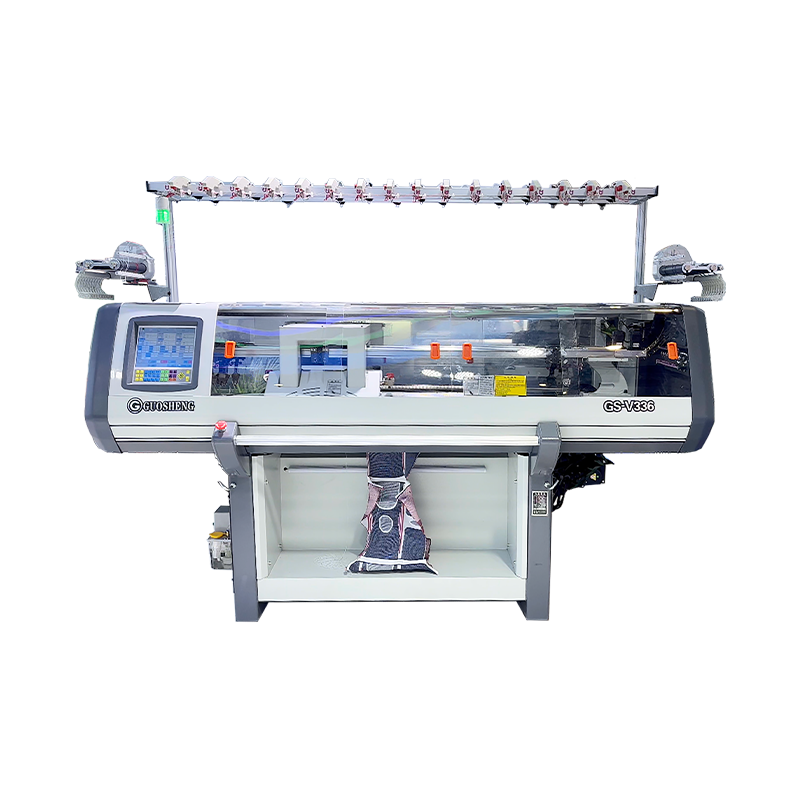
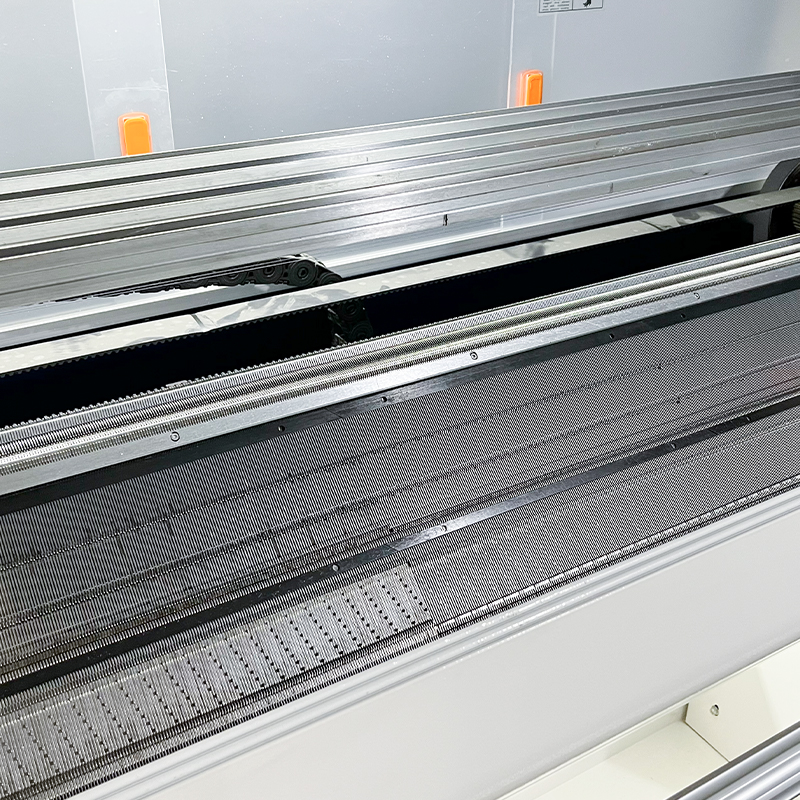 GS-V352 52-Inch Three-System Shoe Upper Knitting MachineA wide-format three-system shoe upper machine for large-scale 3D flyknit production, offering precise density and tension control for stable, dimensionally consistent uppers.View Product →
A Practical Selection and Commissioning Checklist
Before a machine is ordered, it helps to turn the discussion into a short, concrete brief. The following checklist is deliberately practical. It can be used internally or shared with a machine builder.
- Describe the product family and the largest and smallest piece you expect to make.
- List the yarns by composition, count, and expected tension sensitivity.
- Confirm the required gauge and the acceptable fabric weight range.
- Estimate daily and weekly output, including realistic changeover time.
- Decide which patterns must be stored, recalled, and edited by operators.
- Review the finishing route: linking, sewing, washing, heat setting, or coating.
- Ask for a sample trial using your own yarn, not only a standard demonstration yarn.
- Plan installation, operator training, spare parts, and the first maintenance interval.
This is also the point to discuss floor space, power, compressed air if required, and how the machine will be loaded and serviced. A machine that fits the product but not the building is still a poor fit.
Maintenance, Yarn, and Long-Term Reliability
Flat bed machines reward consistency. Clean needles, correct yarn paths, and a sensible lubrication routine prevent many small problems from becoming production stops. Yarn quality matters as well. A yarn that sheds, varies in count, or carries hard sizing can create tension swings that no control system can fully hide.
Operators should be trained to recognize the early signs: a change in takedown, a slight shift in fabric width, a new mark on the panel, or a needle that no longer selects cleanly. These observations are more useful than waiting for a breakdown. A simple daily check and a recorded maintenance schedule are usually enough to keep a machine predictable.
For buyers, after-sales support is part of the machine specification. Installation and commissioning, operator guidance, spare parts availability, and a clear route for technical questions all affect the real cost of ownership. A lower-priced machine with slow support can become expensive during a busy season.
The Manufacturer Conversation Matters
A flat bed knitting machine is a production tool, not a catalogue item that can be chosen by comparing a single number. The most useful conversations are specific: a sample, a yarn, a target output, a finishing method, and a realistic budget. That is the point where a machine builder can offer a configuration that fits instead of a generic recommendation.
If you are reviewing a new line or replacing an older machine, our team can help you compare applications, widths, gauges, and system counts against your product plan. You can contact us with your sample details, and we will help narrow the options before a final specification is set.
A flat bed knitting machine becomes valuable when it fits the work in front of it. Start with the product, test with the real yarn, and treat support and maintenance as part of the purchase. That approach is less dramatic than chasing the largest specification, but it is far more likely to produce steady output, consistent quality, and a team that trusts the equipment.

Ready to Begin?
Product Categories
- Sweater Knitting Machine (Economic SE)
- Sweater Knitting Machine (Full Function S)
- Collar Knitting Machine (Economic CE)(Fabric)
- Collar Knitting Machine (Full-Function C)
- Blanket Knitting Machine(Fabric)
- Shoe Upper Knitting Machine
- Ready To Wear Sweater Knitting Machine
- Ready To Wear Glove Knitting Machine
- Ready To Wear Hat Knitting Machine
- Knee Pad Knitting Machine
- Metal Mesh Knitting Machine
Contact Information
-
 Email: gs@guoshengchina.cn
-
 Phone: +86-0512-52690511
-
 Address: No. 18, Hupu Pujiang Road, Bixi New District, Changshu City, Jiangsu Province, China
QR Code
